The Strait of Hormuz Is Not a Metaphor — It Is the Market
Tehran's naval warnings and a disputed diplomatic memo have exposed how thin the margin between diplomacy and crisis has always been in the Gulf — and how quickly the world forgets until the tanker cameras come back on.
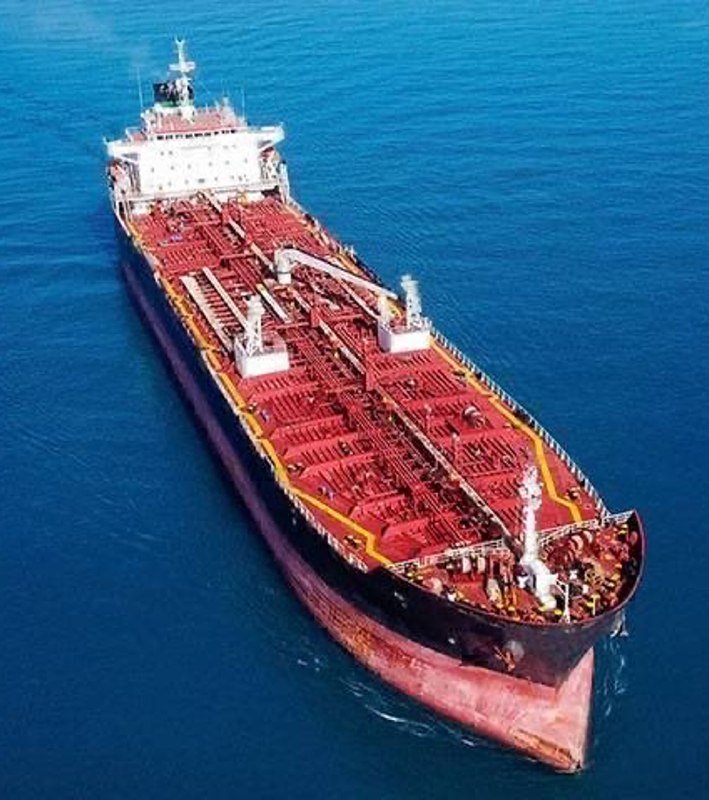
On 29 May 2026, the word went out from Tehran: any military vessel operating in the Strait of Hormuz was now a potential target. The statement, carried by Iranian state-adjacent channels and reported by CryptoBriefing's wire feed that day, arrived against a backdrop of escalating naval incidents — including the discovery of a mine in the waterway — and the circulation of what was described as an unofficial memorandum of understanding between Iran and the United States, whose contours remained contested and unverified as of press time. Within hours of the target-warnings publishing, Energy Brief noted that Strait of Hormuz oil exports were unlikely to return to prewar levels, a prognosis that landed in markets still absorbing reports of a broader energy crisis triggered by the escalating conflict. The convergence of diplomatic back-channel noise and the sudden reintroduction of kinetic threat language into the Gulf's shipping lanes is not coincidental. It is the Tehran playbook, refined over decades: create a sense of managed instability, then offer the illusion of a diplomatic off-ramp — or withhold it — depending on what the pressure produces.
The framing that dominates Western coverage of moments like this one treats them as a binary — either a deal is reached, or the Strait closes. That framing flatters the diplomacy correspondents because it makes their beat legible. It flatters the administration because it suggests their sanctions and naval posture are doing the work. What it obscures is that Iran's strategic calculus has never required a full Hormuz closure to extract significant concessions. A partial, ambiguous, intermittent disruption to tanker insurance and scheduling is enough to spike premiums, spook refiners, and give the Islamic Republic leverage in any negotiating room it enters. The mine discovered in the Strait, and the timing of Iran's formal warning to military vessels, landed in the same news cycle as reports that Defense Secretary Pete Hegseth had reaffirmed US control over the waterway — a statement that, paradoxically, may have been read in Tehran not as deterrence but as a confirmation that the Strait is precisely the chokepoint around which an asymmetric leverage game should be built. Hegseth's phrasing mattered. "US maintains control" is a claim about the present; it says nothing about what happens the moment a single vessel is struck, a single mine detonated near a commercial carrier, or a single IRGC vessel shadows a tanker in a grey-zone operation that stops just short of the threshold requiring a military response. That is where Iran operates — not at the declared policy level, but in the space between a threat and an act.
The unofficial memorandum reportedly circulated in Islamabad — described by Tasnim News English on 30 May 2026 — added a layer of complication that analysts tracking the Iran file have grown accustomed to parsing. Such documents, when they surface informally through third-party diplomatic channels, serve multiple functions simultaneously: they test the domestic political temperature in Washington and Tehran, they allow intermediaries to gauge receptivity without committing either side, and they give the appearance of progress that can be withdrawn if the political moment shifts. Whether the document represents a genuine near-agreed framework or a negotiating position dressed up as a near-agreement remains unclear from the source material available. Iran, meanwhile, has accused the United States of betraying diplomacy — a characterisation that arrived simultaneously with the escalatory naval warnings, a juxtaposition that says everything about how Tehran manages its public messaging: maximum pressure at sea, maximum grievance at the podium. The pattern is deliberate. It keeps every party in a state of uncertainty about which Iran they are dealing with at any given moment — the negotiating partner or the threat actor — and it uses that uncertainty as its primary instrument.
The energy market consequences are not hypothetical. Strait of Hormuz transit volumes — roughly 20 to 25 percent of global oil traded by sea, per various industry assessments — mean that sustained disruption, or the credible anticipation of disruption, transmits into refined product pricing before any physical shortfall materialises. On 29 May, reporting confirmed that the ongoing conflict had already triggered what was described as a major energy crisis and disrupted shipping in the waterway. That disruption, however partial, is already being priced. The question for policymakers is not whether the Strait matters — that is settled — but whether the diplomatic architecture currently on offer is sufficient to prevent the kind of incident that turns managed instability into an uncontrollable escalation. Hegseth's assertion of US control is a statement of intent. It does not account for the threshold problem: at what point does a grey-zone Iranian action force a US response that, once given, constrains the diplomatic space further than any memo could have opened. The most dangerous moments in Gulf history have not been the declared confrontations. They have been the ones that began with a patrol boat, a mine, a misread signal, and ended with a regional war that no one in the room had actually chosen.
This is the stakescape that neither the unofficial memorandum optimists nor the deterrence hawks in Washington have adequately addressed: the Strait of Hormuz is not a metaphor for diplomatic failure. It is a physical chokepoint whose disruption is felt globally before the first news alert is published. Iran knows this. The United States knows this. The markets, as of this week, are being reminded of it. What remains unresolved is whether the diplomatic track still has enough structural integrity to absorb the next incident — or whether the margin for error has already been consumed by the simultaneous circulation of a deal document and a target list. The wire is not clear on which outcome is more likely. What is clear is that the world is watching the Strait again, and that by itself should concentrate minds in every capital with a stake in its shipping lanes.
Wire provenance
This editorial synthesis draws on the following public wire/social posts:
- https://t.me/CryptoBriefing/8171
- https://t.me/CryptoBriefing/8170
- https://t.me/CryptoBriefing/8169
- https://t.me/CryptoBriefing/8166
- https://t.me/CryptoBriefing/8164
- https://t.me/CryptoBriefing/8162
- https://t.me/CryptoBriefing/8160
- https://t.me/tasnimnews_en/45987