Iran Rejects Trump’s ‘Breakthrough' Claim as Nuclear Talks Enter Critical Phase
Iranian officials deny any diplomatic breakthrough in communications with Washington, complicating Trump's stated optimism as a Friday decision meeting looms.
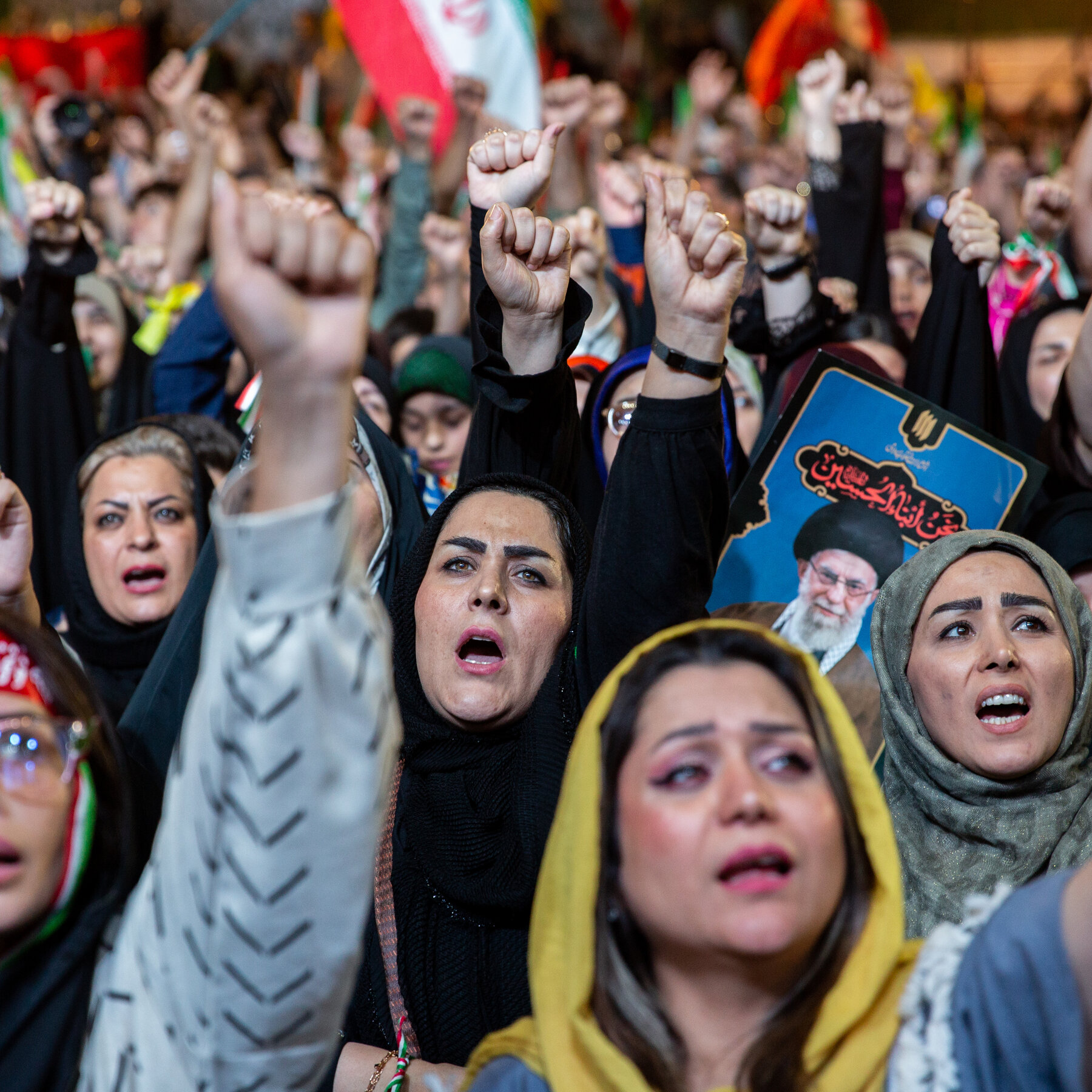
Iranian officials on Friday rejected the Trump administration's characterisation of progress in nuclear negotiations, complicating what the White House has framed as a potential diplomatic breakthrough ahead of a critical Friday meeting.
The divergence between Tehran's calibrated denials and Washington's public optimism underscores a familiar pattern in US-Iranian diplomacy: a wide gap between the public postures that leaders present to domestic audiences and the quieter, less theatrical exchanges happening through back-channels and intermediaries. Whether that gap represents tactical ambiguity or a genuine disagreement about the state of negotiations remains, for now, unresolved.
The Gap Between Two Narratives
On 29 May 2026, Iranian officials confirmed that an exchange of messages with Washington continues, but explicitly rejected any suggestion of a breakthrough, according to statements carried by Iranian state media. Tehran's language — describing the communications as ongoing but not transformative — stands in direct contrast to the tenor of statements emerging from the White House.
The timing matters. Iranian officials' Friday denial arrived hours after reports that the Trump administration was preparing to convene a meeting the same day to make a final decision on an Iran deal, per Reuters. That sequencing — a White House signal of imminent progress followed almost immediately by a categorical Iranian rebuff — suggests either a significant misunderstanding between the parties or an attempt by one side to shape the negotiating environment through public pressure.
The Iranian framing appears designed to deny the Trump administration a propaganda win. By refusing to validate the "breakthrough" characterisation, Tehran removes a potential lever Washington might have used to signal success to its regional allies and domestic constituencies ahead of any formal agreement.
The Domestic Calculus in Washington
For the Trump administration, a deal with Iran carries obvious domestic political weight. The 2024 campaign platform included sharp criticism of the 2015 JCPOA agreement, and the current administration's early positioning on Iran was notably confrontational. That posture has shifted, and the reasons are not hard to trace: the cost of sustained military pressure, the complexities of Middle Eastern alliance management, and the persistent question of whether Iran would negotiate seriously only under genuine pressure.
An opinion piece in Foreign Policy on 29 May argued that the Iran military campaign was a clear mistake and that the Trump administration must acknowledge that error. The piece's argument — that Washington has been systematically avoiding the diplomatic off-ramp — frames the current negotiations not as triumph but as belated realism. Whether that interpretation finds purchase in the administration's internal deliberations is impossible to verify from the outside, but the piece reflects a strand of foreign-policy commentary that sees the current moment as a reckoning rather than a victory.
What is clear is that the administration needs a narrative win, and the timing of its framing — public expressions of optimism before any deal is finalised — suggests an effort to shape the political environment rather than simply report on it.
Structural Obstacles Beyond the Headlines
Beyond the immediate political calculations on both sides, the structural obstacles to a comprehensive nuclear agreement remain formidable. Iran's nuclear programme has advanced significantly during the years of maximum-pressure sanctions and intermittent military engagement. The inventory of enriched uranium, the sophistication of its centrifuge programme, and the technical questions about what "complete and verifiable" denuclearisation would actually require have only grown more complex.
The regional dimension compounds these technical challenges. Iran's network of proxy relationships across Iraq, Syria, Lebanon, and Yemen remains a first-order concern for US allies in the Gulf, particularly Saudi Arabia and the UAE. Any deal that addresses only the nuclear file while leaving the regional architecture untouched would face immediate resistance from partners who view Iran's regional posture as inseparable from its nuclear ambitions.
Tehran, for its part, has consistently argued that it will not negotiate under duress and that sanctions relief must be commensurate with any concessions it makes. The language of "war of aggression" — used in Iranian official statements on Friday — signals that Tehran still frames the entire period of US pressure as illegitimate, a framing that makes symmetrical compromise structurally difficult.
What a Deal Would Mean — and For Whom
If a deal emerges from the Friday meeting, the winners and losers are distributed unevenly across geography and time horizon. For the Trump administration, a successful agreement would neutralise a persistent foreign-policy headache and potentially provide electoral relief heading into midterm calculations. For Iran, sanctions relief would unlock oil revenue and ease an economy under sustained pressure, but a deal that constrains the nuclear programme would also foreclose options that Iranian hardliners have spent years developing.
For the wider region, the implications are less straightforward. Gulf states that have pursued normalisation with Iran in recent years might welcome reduced tensions; those that remain deeply suspicious of Tehran's regional ambitions would view any deal with scepticism. Israel, which has carried out strikes against Iranian nuclear infrastructure, would face a new landscape in which its military options become more constrained diplomatically — a development that would almost certainly provoke a sharp response from Jerusalem.
The sources do not provide specifics on what terms are under discussion, and the gap between stated positions suggests that either the deal space is narrower than the public rhetoric implies or that both sides are maintaining maximum demands as negotiating posture. What is clear is that Friday's meeting will either narrow that gap significantly or confirm that the distance between the parties remains too wide for a deal to be reached on terms either side can sell domestically.
Monexus covered this story through the lens of diplomatic signal versus substance, focusing on the gap between Washington's public optimism and Tehran's measured denials. Western wires led with the Trump administration's framing; we foregrounded the Iranian pushback as equally newsworthy material.
Wire provenance
This editorial synthesis draws on the following public wire/social posts:
- https://t.me/presstv/98647
- https://t.me/tasnimnews_en/41045
- https://x.com/Reuters/status/1957328901234567890