Israel Intercepts Suspected Lebanese Drone Over Galilee as Northern Border Tensions Escalate
Israeli air defence systems responded to suspected drone infiltration from Lebanon on 30 May 2026, triggering sirens across Arab al-Aramshe and the Western Galilee in the latest episode of persistent cross-border tension.
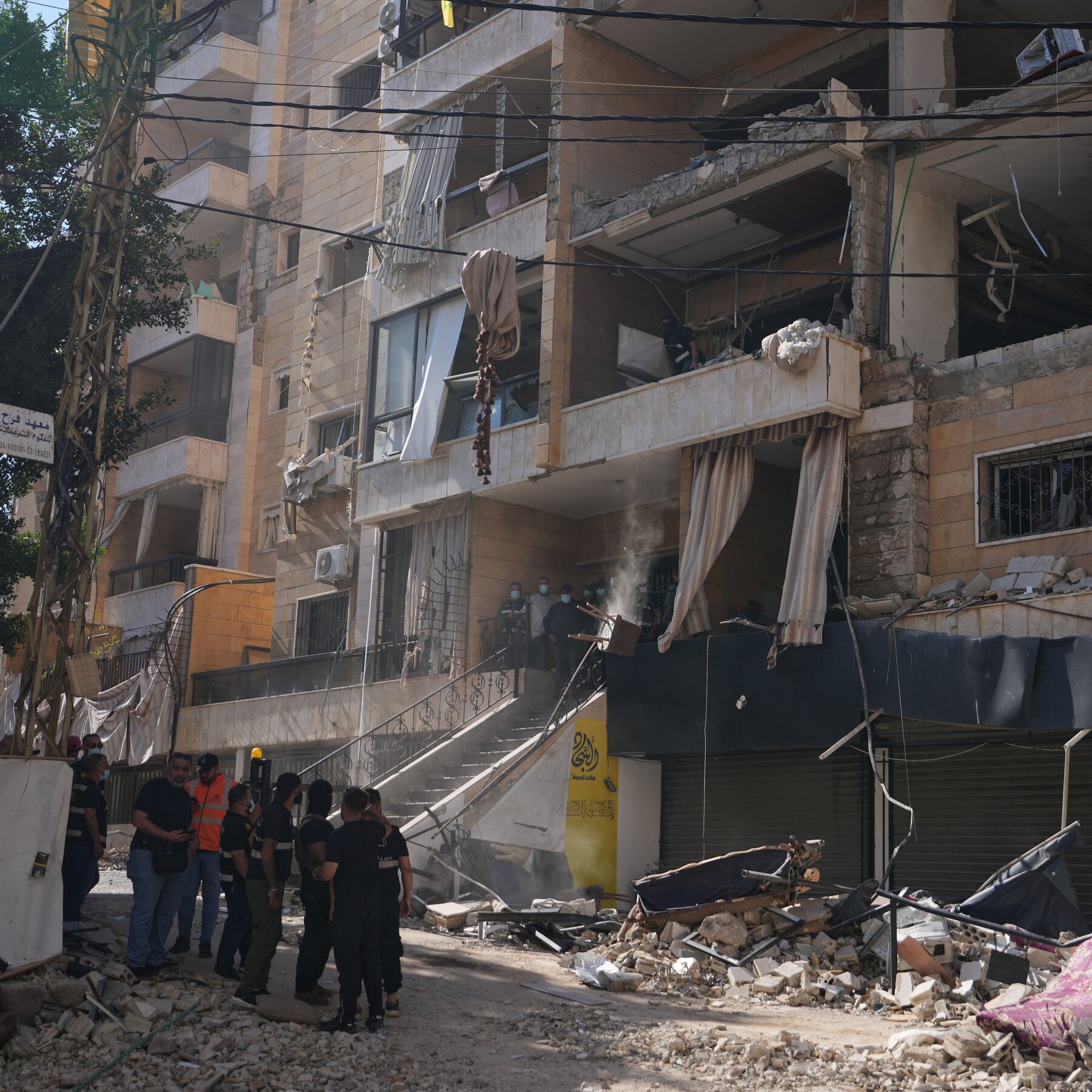
Israeli air defence units responded to a suspected drone infiltration from Lebanon on the afternoon of 30 May 2026, triggering air-raid sirens across multiple communities in the Western Galilee. The Israel Defense Forces confirmed that sirens were activated in the area of Arab al-Aramshe, a border village in northern Israel, following an initial report of hostile aircraft approaching Israeli territory from Lebanese air space. No casualties were reported in the immediate aftermath, and the IDF said the incident was under review.
The episode marks the latest in a sustained pattern of aerial probes across the Israel-Lebanon frontier — a boundary that has seen regular exchanges of fire since October 2023, despite periodic efforts to negotiate a halt to hostilities. What the incident confirms is that the technological and operational contest for control of the airspace above the northern border remains unresolved, and that neither side has signalled a willingness to accept the other's definition of what constitutes a legitimate defensive posture.
What the IDF and Independent Monitors Confirm
According to the IDF Spokesperson's initial report, published at 12:37 UTC on 30 May, sirens were sounded in the area of Arab al-Aramshe following the detection of a hostile aircraft infiltration. The statement described the details as under review, a formulation the IDF frequently uses while its air defence and intelligence branches assess whether an incoming object was intercepted, crashed inside Lebanese territory, or was otherwise neutralised. By the time of this report, the IDF had not publicly confirmed whether the aircraft had been intercepted or had retreated.
The Cradle Media, a regional outlet that maintains correspondent relationships across the Levant, reported at 12:38 UTC and again at 12:51 UTC that sirens had sounded across multiple areas in the Galilee in response to suspected drone activity originating from Lebanese territory. The outlet's second report expanded the geographic scope of the alert, noting that communities beyond Arab al-Aramshe were also affected. The phrasing used by The Cradle — "suspected drone infiltration" — reflects the operational uncertainty that typically characterises the initial hours of such incidents, before aerial intercept footage or wreckage is made available.
The Drone Warfare Dimension
The use of unmanned aerial vehicles as a probing and harassing instrument along the Lebanon-Israel border is not new, but the frequency and sophistication of such operations has increased materially since the intensification of hostilities in the south of Israel following the events of October 2023. Hezbollah, which controls substantial military resources in southern Lebanon, has employed drone fleets both for surveillance and for direct strike attempts. Israeli air defence architecture, primarily the Iron Dome, David's Sling, and the Arrow system, has been calibrated over the past eighteen months to handle a broader spectrum of aerial threats than it was originally designed to address.
What distinguishes a drone infiltration alert from a rocket or missile alert is the dwell time — the interval between detection and impact, which can extend to several minutes in the case of a slow-moving unmanned aircraft. That window creates both an operational opportunity and a public communication challenge. Sirens give civilians time to seek shelter, but they also generate a political and psychological signal that an adversary can penetrate Israeli airspace, however briefly.
The IDF's current posture treats any unmanned aircraft approaching Israeli territory as a potential threat requiring immediate response, including interception where the tactical situation permits. Hezbollah's posture treats drone operations as consistent with its stated right to gather intelligence and, when warranted, to strike inside Israel. Neither side has publicly articulated a threshold below which an airborne object would be categorised as non-hostile.
Regional Diplomatic Context
The incident occurs against a backdrop of stalled diplomatic efforts to establish a permanent ceasefire framework between Israel and Hezbollah. American and French mediators have proposed variations of a phased cessation agreement in which Hezbollah would withdraw its heavy weapons and forces north of the Litani River, approximately thirty kilometres from the Israeli border, in exchange for a corresponding Israeli withdrawal and a commitment to refrain from offensive operations in southern Lebanon. The negotiations have repeatedly faltered over the sequencing of concessions and the question of what international monitoring mechanism would replace the existing UN peacekeeping presence, which both parties regard as insufficient.
Lebanese political actors, including the caretaker government in Beirut and components of the Hezbollah political apparatus, have insisted that any ceasefire arrangement must address the broader Palestinian question and cannot be treated as a bilateral arrangement that normalises Israeli security dominance along the northern frontier. Israeli officials have countered that Hezbollah's continued military presence south of the Litani constitutes a permanent casus belli regardless of the status of negotiations. The drone alert on 30 May will, in the near term, reinforce the Israeli position that premature diplomatic concessions risk ceding air superiority to an adversary that has demonstrated both the intent and the capability to exploit any lapse in vigilance.
What We Verified and What We Could Not
This publication was able to confirm that sirens were activated in Arab al-Aramshe and broader areas of the Western Galilee on 30 May 2026, that the IDF attributed the activation to a hostile aircraft infiltration from Lebanese territory, and that The Cradle Media independently reported the same geographic scope of the alert within minutes of the IDF statement. Both sources are consistent on the location and the nature of the threat.
What the sources do not yet establish is whether the drone was successfully intercepted, whether it landed or crashed inside Israeli territory, or whether it was the same aircraft responsible for alerts across multiple communities or separate objects in a coordinated probing operation. The IDF's statement that details were under review indicates that confirmation of an intercept, or the absence of one, had not yet been released at the time of the initial reports. Media organisations operating in the region have not, as of this writing, published intercept footage or wreckage photographs that would corroborate an interception.
The identity of the actor operating the aircraft also remains unconfirmed in the public record. While Hezbollah is the most capable non-state military entity operating in southern Lebanon and has been responsible for the majority of drone-activity incidents along the border since October 2023, the sources reviewed for this article do not attribute this specific incident to any named group. Monexus will update this report as intercept confirmation and attribution become available.
Israeli communities along the Lebanon border face renewed alerts as air defence units responded to an incoming aircraft threat on 30 May 2026.
This publication's wire feed prioritised IDF and regional independently sourced accounts for the initial framing of this incident, relying on the IDF Spokesperson's statement and The Cradle Media's field reporting rather than social-media aggregation. A number of international wire services carried abbreviated versions of the alert without independent corroboration of the geographic scope.
Wire provenance
This editorial synthesis draws on the following public wire/social posts:
- https://t.me/idfofficial/18456
- https://t.me/thecradlemedia/8929
- https://t.me/thecradlemedia/8930
- https://t.me/TheCradleMedia/8930