Lebanon's Salam Condemns Israeli Campaign as Policy of 'Comprehensive Destruction'
Lebanese Prime Minister Nawaf Salam said on 30 May 2026 that Israel had adopted a policy of comprehensive destruction against his country, describing the escalation as unprecedented and calling for urgent international diplomatic intervention.
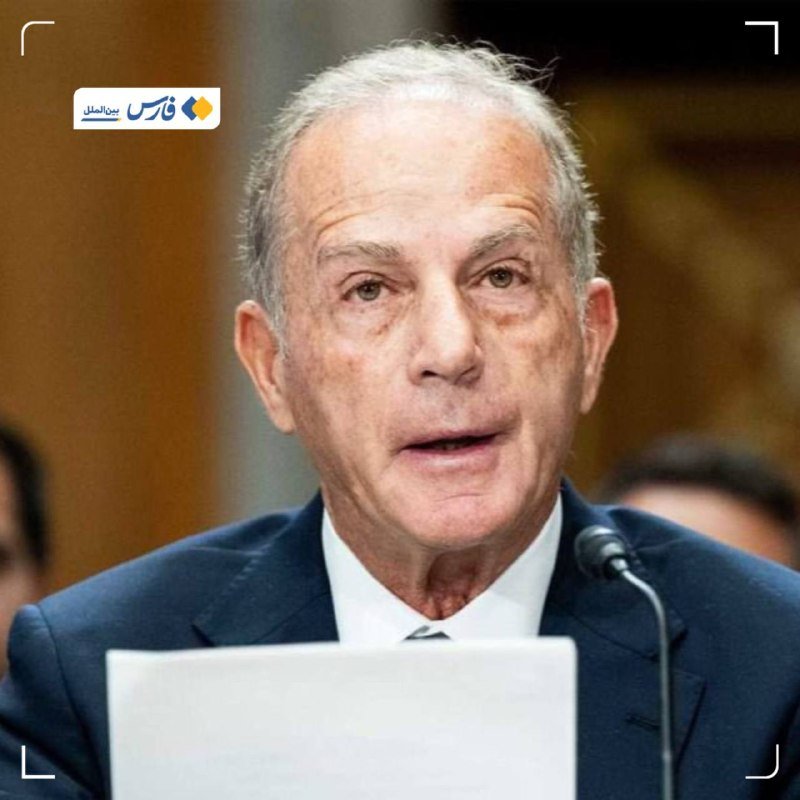
Lebanese Prime Minister Nawaf Salam said on 30 May 2026 that Israel had adopted what he described as a policy of comprehensive destruction against Lebanon, marking what he called a dangerous and unprecedented escalation in cross-border hostilities. Speaking at a press conference in Beirut, Salam said Israel was not targeting specific military sites but rather pursuing a systematic campaign that violated Lebanese sovereignty, according to reporting by Iranian state-linked news agencies Mehr News and Al Alam Arabic. The prime minister called on the international community to intensify diplomatic efforts to secure an immediate ceasefire.
The statement represents the strongest public condemnation of Israeli military operations from Lebanon's new government and comes amid sustained Israeli strikes that Lebanese officials say have caused significant civilian casualties and infrastructure damage across southern Lebanon and the Bekaa Valley. Salam, whose government has pursued closer ties with Western partners since taking office, framed the escalation as a direct challenge to Lebanon's territorial integrity rather than a targeted counterterrorism operation.
The Escalation and Beirut's Response
Lebanon has been under sustained Israeli military pressure since October 2024, when the Gaza conflict widened into a broader regional confrontation. Israeli officials have said their operations in Lebanon target Hezbollah infrastructure and personnel, arguing the group poses an existential threat to Israel's northern communities. Lebanese officials dispute this framing, saying civilian populations and non-military targets have been hit in violation of international humanitarian law. Salam's characterization — that Israel is pursuing destruction rather than precision strikes — goes further than previous government statements, describing the campaign as a systematic policy rather than a series of tactical military decisions.
The prime minister's office did not immediately release a full transcript of the remarks, and Western wire services had not independently published the statements as of 30 May 2026. The reporting comes from Iranian state-affiliated media channels, which carry their own editorial perspective on regional dynamics. Independent verification through Western or Lebanese governmental sources was pending at the time of this reporting.
The Diplomatic Dimension
Salam's call for intensified diplomatic intervention places renewed pressure on the United States, France, and other actors with influence over both sides. French officials have led past ceasefire initiatives, while Washington has backed Israel's right to respond to cross-border threats while expressing concern about civilian harm. The prime minister's explicit demand for diplomatic action signals that Beirut sees military resistance alone as insufficient and is appealing to the international system to impose constraints on Israeli operations.
Ceasefire negotiations have repeatedly stalled since the October 2024 escalation, with both sides accusing the other of violations and bad faith. Lebanon has sought written security guarantees as part of any agreement, a demand Israel has rejected. The absence of a viable diplomatic framework has left regional capitals with limited options beyond continued advocacy and, in the case of the United States, continued arms supply to Israel.
Structural Context and Regional Implications
The framing of Israel's Lebanon campaign as a deliberate policy of destruction rather than a calibrated response to security threats speaks to a broader debate about the rules governing interstate conflict in the Middle East. Lebanon, a state with limited military capacity and a history of sovereignty erosion, has long relied on international legal frameworks and diplomatic advocacy to counter more powerful neighbours. When those frameworks prove ineffective — as Salam's language implies they have — the political class in Beirut faces a difficult choice between continued resistance and accommodation.
Iranian state media's extensive coverage of Salam's remarks reflects Tehran's interest in amplifying criticism of Israeli actions from Arab governments, particularly those, like Lebanon, that maintain Western diplomatic relationships. The framing of Salam as a "pro-Western" prime minister who nevertheless condemned Israeli actions suggests an effort to position Iran-aligned narratives as more consistent with Arab public sentiment than Western-backed government positions.
What Remains Uncertain
Western and Lebanese governmental sources had not independently confirmed the specific language attributed to Salam as of this publication. The accounts from Iranian state-linked channels convey a consistent message but may reflect editorial framing that colours the translation or emphasis. The scale and nature of Israeli strikes — whether they conform to the pattern Salam described — cannot be independently assessed from the available sourcing. Casualty figures and infrastructure damage assessments from United Nations agencies or independent monitors were not yet incorporated into the public record on 30 May 2026. The gap between Salam's characterisation and the official positions of the United States and its allies remains a significant point of divergence that this reporting has not resolved.
Wire provenance
This editorial synthesis draws on the following public wire/social posts:
- https://t.me/mehrnews/9128471
- https://t.me/JahanTasnim/384721
- https://t.me/alalamarabic/2288191
- https://t.me/alalamarabic/2288188
- https://t.me/mehrnews/9128473