Mercedes Hit Brakes on Alpine Stake Purchase Over Valuation Dispute
Mercedes have withdrawn from negotiations to purchase a minority stake in Alpine, with the German manufacturer citing an unacceptable valuation for the share held by US investment firm Otro Capital.
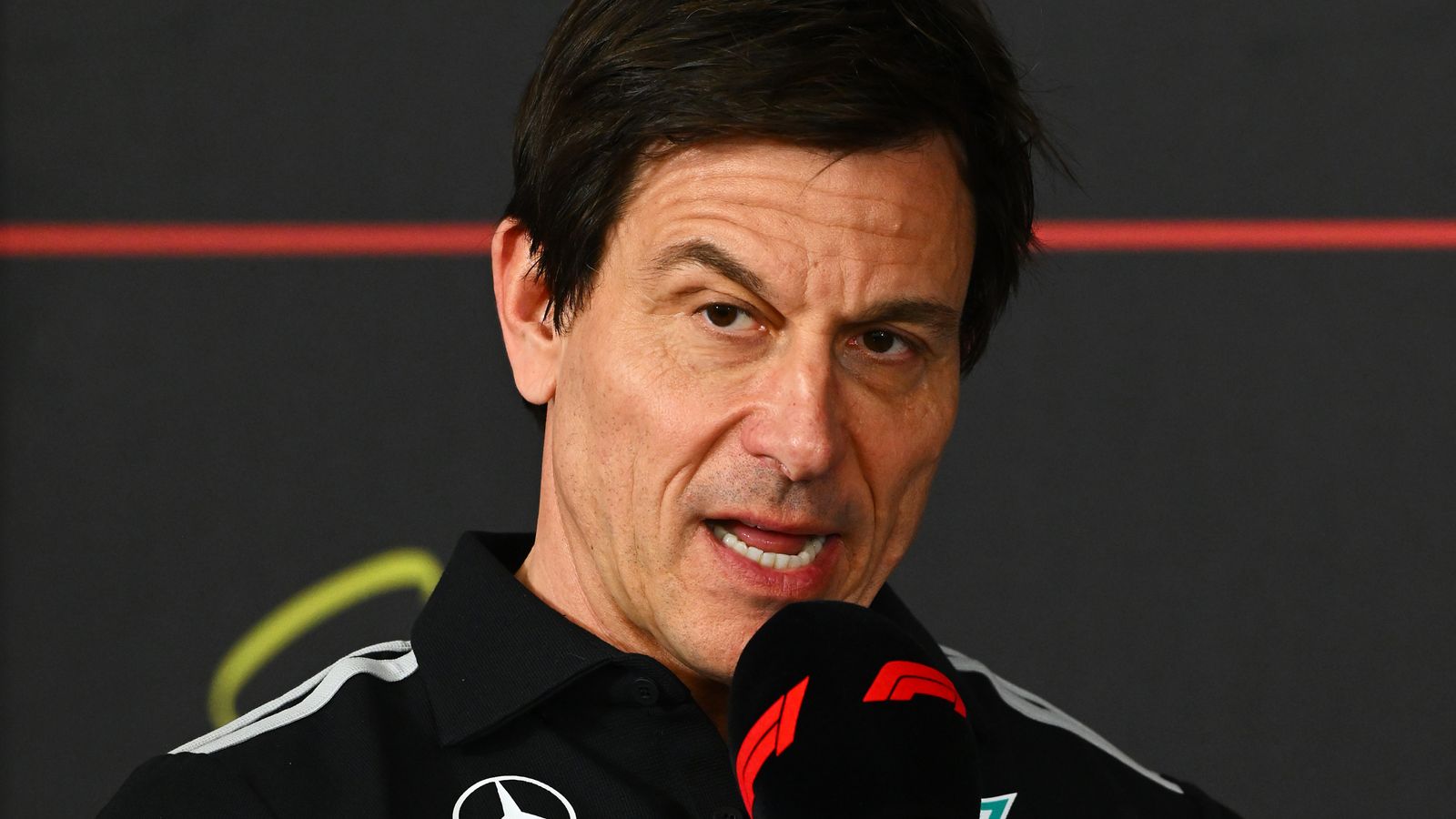
Mercedes have withdrawn from negotiations to purchase a minority stake in Alpine, ending what had been the most concrete signal yet that a manufacturer was willing to invest directly in a rival Formula 1 team. According to reports confirmed by Sky Sports and BBC Sport on 29 May 2026, the German marque walked away from the talks after determining that the valuation Otro Capital had placed on the share was too high.
The breakdown marks a setback for Alpine, which has been seeking external investment to shore up its financial position against the spending power of works-backed competitors. For Mercedes, the decision preserves capital and flexibility at a moment when the sport's ownership landscape is shifting beneath the grid.
The Deal That Wasn't
Mercedes had entered exclusive discussions with Alpine's majority shareholder, US investment firm Otro Capital, to acquire a minority stake in the Enstone-based team. The terms under discussion would have given Mercedes a financial interest in a rival operation—unusual in a paddock where manufacturer teams have historically operated their own chassis arms and treated independent entries as competitors to be outpaced, not invested in.
The talks were first reported by Sky Sports on 29 May 2026, with confirmation from BBC Sport that same evening. A follow-up report from the Formula 1 Telegram channel the following morning confirmed the withdrawal was complete: Mercedes had ended negotiations, citing the price as the sticking point.
The precise financial terms discussed were not disclosed in the available reporting. Neither Mercedes nor Otro Capital issued formal statements beyond what was conveyed through the wire services.
The Valuation Gap
The core disagreement was straightforward: Mercedes did not believe the share was worth what Otro Capital was asking. In a sport where performance trajectories shift season to season, where the regulatory framework governing prize distribution remains under periodic renegotiation, and where constructor spending can quickly alter competitive standing, valuation of an F1 team is as much a bet on future performance as it is an assessment of current assets.
Otro Capital, which acquired its stake through a restructuring of Alpine's ownership chain involving Renault and the French state investment vehicle Ardian, has a track record of holding sports media assets at premium valuations. Mercedes, operating a works team that competes directly for championships and must account for the investment to its parent Daimler AG's shareholders, applied a different calculus.
The sources do not specify whether either party had engaged third-party financial advisors to mediate the gap, or whether further discussions are expected.
Alpine's Position and the Independent Team Problem
For Alpine, the failed talks represent another chapter in a complicated search for stable ownership. The team, which competes under a French licence as a continuation of the legacy Benetton and Renault operations, has at various points been positioned as a potential home for young drivers from the Renault academy and as a midfield challenger capable of occasional podium finishes. Neither aspiration is cheap to fund in a championship where the top three teams alone spend hundreds of millions annually on research and development.
Independent teams in Formula 1 have long faced a structural tension: they lack the guaranteed manufacturer budget that works entries enjoy, but they also lack the political protection that comes with being a chassis supplier to the commercial rights holder. Alpine's Enstone facility has produced competitive cars in the past, and the team employs several hundred staff, but its financial runway depends on either parent company commitment or external capital—both of which have proven elusive on the terms Alpine's current owners appear to prefer.
The failed Mercedes deal does not foreclose other potential investors. Reports have previously noted interest from a range of parties, including sovereign wealth funds and private equity groups attracted by Formula 1's growing global television and sponsorship audiences. But the exit of a direct competitor from the bidding process is rarely neutral signal.
The Wider Grid and Commercial Stakes
Formula 1's ownership dynamics have grown more complex since the sport's 2017 commercial reset, when the Concorde Agreement was renegotiated to give teams a larger share of the revenues generated by the commercial rights holder, Liberty Media. That redistribution made F1 teams more valuable as financial assets—and made valuations more contested.
Works teams like Mercedes, Ferrari, and Red Bull Racing enjoy revenue streams tied to championship finishing positions plus the commercial uplift that comes from selling powertrains or owning the chassis programme itself. Independent teams must compete purely on-track for their share, a structure that rewards consistency but punishes any sustained period of poor performance.
Mercedes, for its part, has maintained a policy of operating a single works entry with a defined budget ceiling. Investing in a rival team would have required navigating conflicts of interest around technology sharing, driver contracts, and the political dynamics of the F1 Commission, where manufacturer teams hold disproportionate voting weight.
What remains unclear from the available reporting is whether Mercedes withdrew definitively or whether the door has been left open for renewed talks should Otro Capital revise its expectations. The sources do not indicate any scheduled follow-up discussions.
The valuation disagreement illustrates a persistent tension in modern Formula 1: the sport's commercial growth has made teams attractive as assets, but the gap between what sellers expect and what buyers will pay has widened accordingly. For Alpine, the immediate consequence is that its financial position remains as it was—competitive on track when conditions align, but financially exposed in a championship where the gap between the top and the middle of the grid has widened rather than narrowed in recent seasons.
Monexus covers Formula 1's commercial and governance landscape as part of its broader sports desk reporting.
Wire provenance
This editorial synthesis draws on the following public wire/social posts:
- https://t.me/formula1/10923