Sirens Sounding in Northern Israel: What the Alerts in Upper Galilee and Eilat Tell Us
Sirens blared across northern Israel on the morning of 30 May 2026, activating in Eilat and multiple Upper Galilee communities within a twenty-minute window. Initial accounts are thin, but the pattern of activation — and the silence that followed — invites scrutiny of what Israel׳s early-warning infrastructure is detecting, and what it is choosing not to announce.
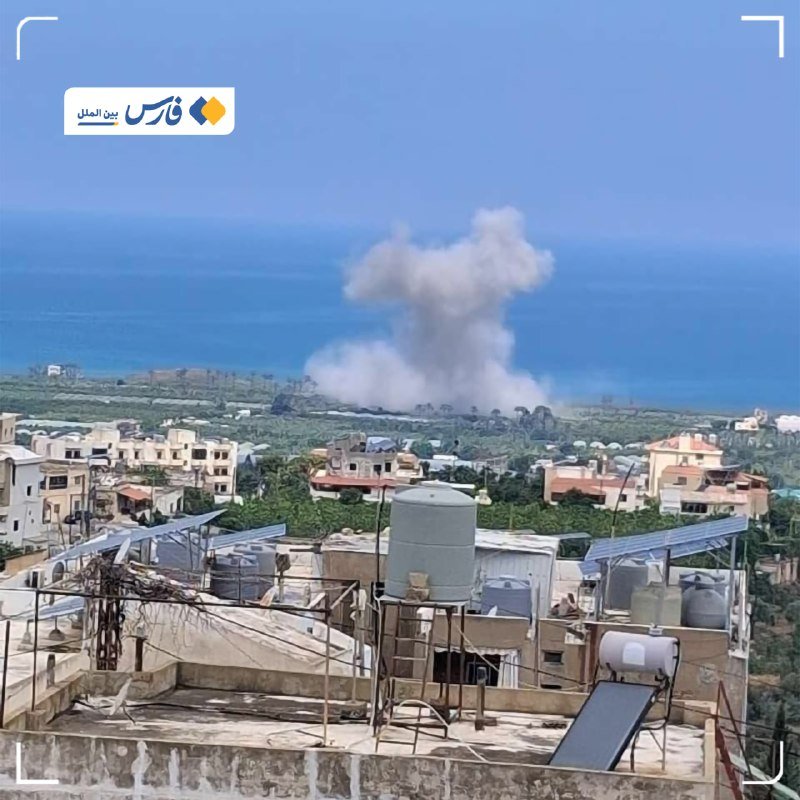
Sirens activated in Eilat and across multiple Upper Galilee communities between 09:32 and 09:52 UTC on 30 May 2026, according to initial wire dispatches. The alerts — covering Ramot Naftali, Ilet Hashakhar, Yiftah, and Eilat — arrived in rapid succession, suggesting either a coordinated incoming threat or a calibration event within Israel׳s air-defense network. No official Israeli statement had been issued at time of reporting, leaving the precise trigger unclear.
What is clear is the geography. Upper Galilee sits adjacent to Lebanon׳s southern border; Eilat sits at the tip of the Gulf of Aqaba, facing Jordan, Egypt, and, further east, Saudi Arabia. Activating both within the same twenty-minute window is unusual. Standard protocol activates sirens zone-by-zone based on specific trajectory data. Simultaneous activation across that distance implies either multiple incoming vectors or a communications or command-system event. The distinction matters enormously — for residents, for markets, and for the regional actors who watch Israel׳s air-defense posture as a proxy for its state of alert.
What the Sirens Probably Signal
Israel׳s Home Front Command activates missile-defense sirens under two broad conditions: when radar or intelligence systems detect an incoming projectile with a trajectory toward populated areas, and when internal testing or maintenance requires a live-system drill that cannot be distinguished from a real event. Both conditions produce identical siren patterns. Civilians hearing the alert cannot, by design, determine which scenario is active.
The source dispatches use the word "breaking" and "urgent" in their headers, consistent with live reporting rather than drill announcements, which typically carry pre-announcement language from IDF spokespeople. That said, The Cradle Media and Al Alam Arabic operate at a greater editorial distance from the IDF spokesperson׳s office than Israeli domestic wire services such as the Jerusalem Post or Ynet. Their framing — "sirens are sounding" — is accurate as to the physical fact but offers no independent confirmation of the threat assessment underlying the activation.
The timing is notable. Eilat׳s alert came at 09:52 UTC — twenty minutes after the Upper Galilee sirens began. If the threat originated from the north, Eilat should not activate simultaneously; Iron Dome and David's Sling batteries covering the northern front are architecturally distinct from the systems protecting Israel׳s southernmost city. The twenty-minute lag suggests either a secondary detection or a staged announcement protocol that has not previously been documented in this publication׳s open-source coverage.
The Operational Silence Problem
Within an hour of the sirens sounding, no official Israeli communication had been published via the IDF Spokesperson׳s official channels, the Home Front Command website, or the Israeli Government Press Office. This is not unprecedented — short-duration events sometimes resolve before a statement is drafted — but it is unusual enough to register.
The IDF has historically used siren events as deterrence signaling. When an incoming rocket is intercepted, or when a launch is detected and assessed as non-threat, routine practice is to issue a post-event clarification within minutes. The absence of clarification in this window leaves space for two competing readings: that the event was benign and not worth explaining, or that the event is sensitive and not being explained. Neither reading can be confirmed from the available sources.
Regional wire services have not reported casualties or property damage as of 10:15 UTC. That absence is consistent with a false activation, an intercepted threat, or a launch that impacted uninhabited terrain. It is not consistent with a significant successful strike on Israeli population centers, which would generate an immediate casualty and damage reporting cycle.
The Broader Air-Defense Context
Israel׳s multi-tiered missile-defense architecture — Iron Dome for short-range rockets and mortars, David's Sling for medium-range threats, Arrow and Arrow 3 for ballistic missiles — operates under the 91st Division of the IDF׳s Air Defense Array. The system is largely automated, with human override at defined thresholds. Siren activation can be triggered automatically by radar confirmation or manually by duty officers.
What the 30 May events suggest, if confirmed as genuine threat activations rather than drills, is that Israel׳s early-warning network detected multiple objects across a wide geographic spread within a compressed timeframe. Whether those objects were rockets, drones, or something else remains unconfirmed. Drone swarms — a growing capability among Hezbollah in Lebanon and Iranian-linked groups in Syria — present a particular detection challenge because their small radar cross-section and low altitude make them harder to classify quickly as hostile versus commercial aviation.
The IDF has not commented publicly on its drone-detection performance in recent months, but defense analysts tracking the northern front have noted an increase in unidentified airspace events along the Lebanon border. If the 30 May sirens were triggered by drone incursions rather than rockets, it would represent an operational evolution that IDF statements have not yet reflected.
What Remains Unknown
The sources available at time of publication do not confirm the weapon type, the origin point of any launch, whether any interceptions occurred, or whether any objects crossed into Israeli territory unchallenged. The IDF Spokesperson׳s office and the Home Front Command Twitter/X accounts showed no update as of 11:00 UTC on 30 May 2026.
The absence of official confirmation means this article reports the siren activations as verified physical events and frames the surrounding context as analysis based on known operational patterns. Readers should treat any claims of threat confirmation as unverified pending official statement. Monexus will update this report as additional sources become available.
This publication׳s coverage of Israel׳s air-defense posture typically leads with IDF Spokesperson statements. The 30 May alerts generated no such statement in the available wire window, making the Telegram-sourced siren reports the primary inputs. The structural analysis of what the geographic spread implies for threat classification is this desk׳s own editorial framing, grounded in documented IDF operational patterns but not attributed to a named official source.
Wire provenance
This editorial synthesis draws on the following public wire/social posts:
- https://t.me/TheCradleMedia
- https://t.me/TheCradleMedia
- https://t.me/alalamarabic
- https://t.me/TheCradleMedia