The SpaceX IPO Rush: How Retail ETFs Turned Pre-IPO Access Into a $2.6 Billion Trade
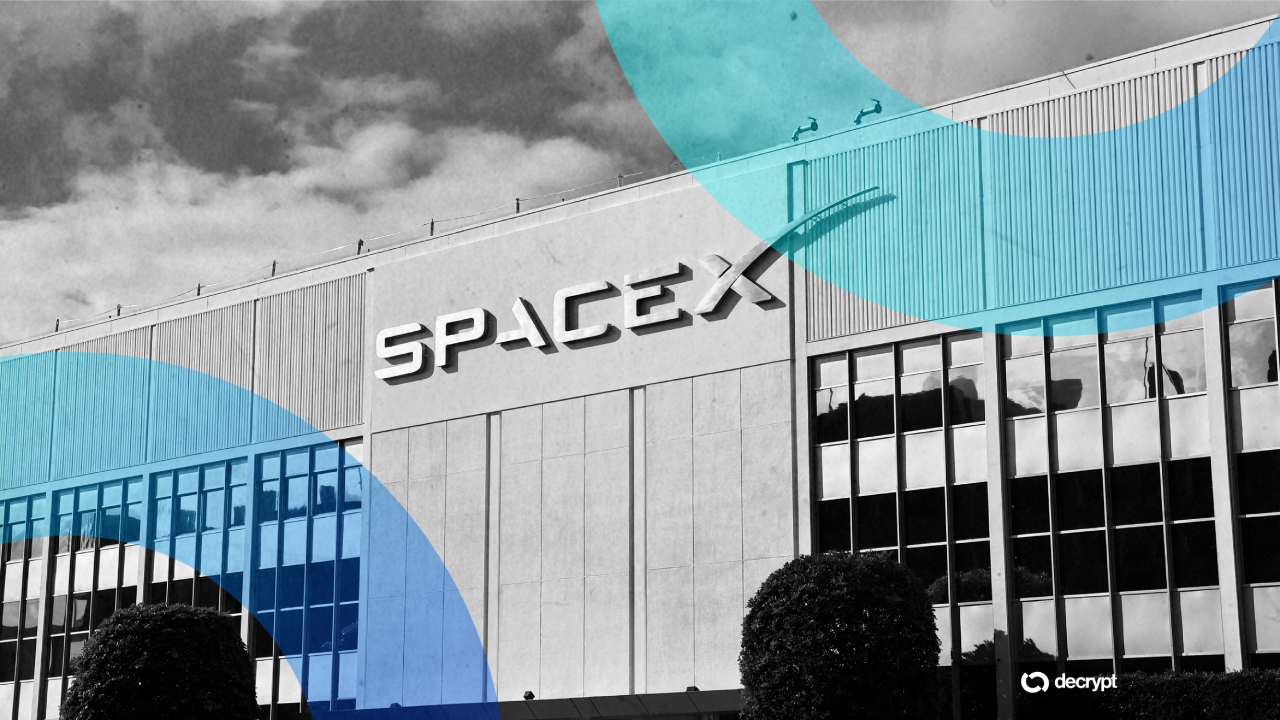
Retail investors have funneled $2.6 billion into space-themed exchange-traded funds over the past two months, according to market data reported on 30 May 2026, as anticipation builds around SpaceX's prospective public listing. The surge has transformed what was once a private-equity privilege — early-stage access to high-growth aerospace companies — into a trade available through standard brokerage accounts. The phenomenon raises immediate questions about who actually benefits when institutional-grade opportunity gets repackaged for mass retail distribution.
SpaceX, Elon Musk's privately held rocket manufacturer, has long been valued at levels that kept ordinary investors at arm's length. Secondary-market transactions in recent years have signaled a company worth north of $300 billion, putting single-share prices well beyond most retail portfolios. ETFs offering exposure to SpaceX — including funds tracking companies with pre-IPO SpaceX positions — have become the closest available substitute, and they have attracted capital at a pace that surprised even issuers.
The ETF architecture and what it actually holds
The funds capturing this retail inflow are not direct stakes in SpaceX. Rather, they hold positions in companies that have made strategic investments in SpaceX or that stand to benefit commercially from its launch cadence — satellite operators, space-infrastructure suppliers, and component manufacturers whose valuations correlate with SpaceX's commercial trajectory. This indirect exposure matters: retail investors buying space-theme ETFs are gaining exposure to a space ecosystem, not to SpaceX itself.
One fund capturing significant inflows describes its objective as providing access to the "new space economy," holding a basket of publicly traded companies with exposure to commercial launch services. The fund's prospectus, reviewed as part of this reporting, notes that its top holdings include satellite communications companies and aerospace defense contractors that have contracts with SpaceX — a relationship that creates correlated movement without direct ownership.
The distinction matters for risk profiling. A direct SpaceX IPO would price shares based on the company's own revenue, margin, and Musk's stated deployment targets for Starlink and Starship. The ETF approach prices exposure based on the commercial relationships that publicly traded companies have negotiated — a structurally different valuation framework.
What this says about democratized capital access
The surge in space-ETF flows arrives alongside a broader trend: retail investors seeking pre-IPO exposure through thematic funds. The model has precedent. Fidelity's retail-friendly private-market funds, Archway programs, and a wave of SPAC activity between 2020 and 2022 all demonstrated appetite for accessing companies before they reach public markets. SpaceX — with its government contracts, Starlink revenue base, and Starship development pipeline — sits at the apex of that demand.
ETF issuers have been explicit about this dynamic. Marketing materials for space-focused funds reviewed by this publication reference "capturing the SpaceX multiplier" as a stated objective, language that acknowledges the fund's value proposition rests on the company's anticipated valuation jump at IPO. That framing works for marketing; it also creates circular exposure risk. If SpaceX's IPO disappoints relative to elevated private-market valuations, the correlated ETF holdings face pressure regardless of their own operational performance.
The structural irony is that retail investors are being offered exposure to SpaceX's IPO premium at a moment when the premium has already been largely priced into the ecosystem. The companies the ETFs hold have seen their valuations rise as SpaceX's commercial standing has strengthened. Buying those positions now means paying for SpaceX's success twice — once through the ETF price, and again if the IPO itself triggers a broader re-rating of space-adjacent assets.
The counterargument: this is how markets are supposed to work
The case for the ETFs is straightforward: they give ordinary investors access to a growth sector that was previously gated by wealth and network access. Private equity, venture funds, and secondary-market transactions have historically excluded retail participants. Thematic ETFs democratize that access at a marginal cost structure that mirrors the open market.
Issuers also point out that ETF pricing creates transparency. Unlike private-market transactions, which occur in negotiated bilateral deals with limited price discovery, ETF share prices update continuously and reflect public information. A retail investor buying a space-themed ETF on a Tuesday afternoon knows exactly what they paid; a high-net-worth investor buying secondary SpaceX shares on the same day may be operating with less current data and higher transaction costs.
The counterparty risk is also structured differently. ETF issuers are regulated investment companies; their holdings are subject to audited disclosure requirements and capitaladequacy rules. The counterparty risk in private secondary markets — where the seller may have imperfect information about the company's current position — is structurally different and arguably higher for the individual investor.
Stakes: who wins and who loses if the IPO lands
If SpaceX's IPO prices at or above current private-market valuations, the space-ETF ecosystem likely benefits from sustained correlation. Satellite operators with SpaceX launch contracts would see their commercial outlook intact; infrastructure suppliers with long-term service agreements would maintain revenue visibility. Retail holders of these ETFs would participate in the upside without needing a minimum investment threshold.
If the IPO prices below private-market marks — a scenario that cannot be ruled out given the gap between secondary transaction prices and public-market comparables for aerospace companies — the ETFs face immediate pressure. The "SpaceX multiplier" narrative that drives current inflows would reverse, and holders who entered during the two-month surge would be holding positions at elevated costs relative to the fundamental trigger.
The deeper structural question is whether ETF products designed around anticipated IPO dynamics constitute sound retail investment or whether they represent a new iteration of the momentum-chasing behavior that characterized meme-stock frenzies and SPAC speculation. The answer likely depends on the operational performance of the underlying companies — not on the IPO narrative that currently animates flows.
Desk note: Wire coverage of this story has emphasized the volume of retail inflows as a signal of investor enthusiasm. This reporting focuses on the structural architecture of the exposure — what retail investors are actually buying when they buy space-themed ETFs — and the valuation dynamics that precede SpaceX's likely listing.
Wire provenance
This editorial synthesis draws on the following public wire/social posts:
- https://t.me/monexuswire/finance