Eight Straight Champions, One Decider: Why Thunder-Spurs Game 7 Is the NBA's Rorschach Test
A Game 7 victory for San Antonio on Saturday night would deliver an eighth consecutive NBA champion—and expose the league's uneasy relationship with its own competitive chaos.
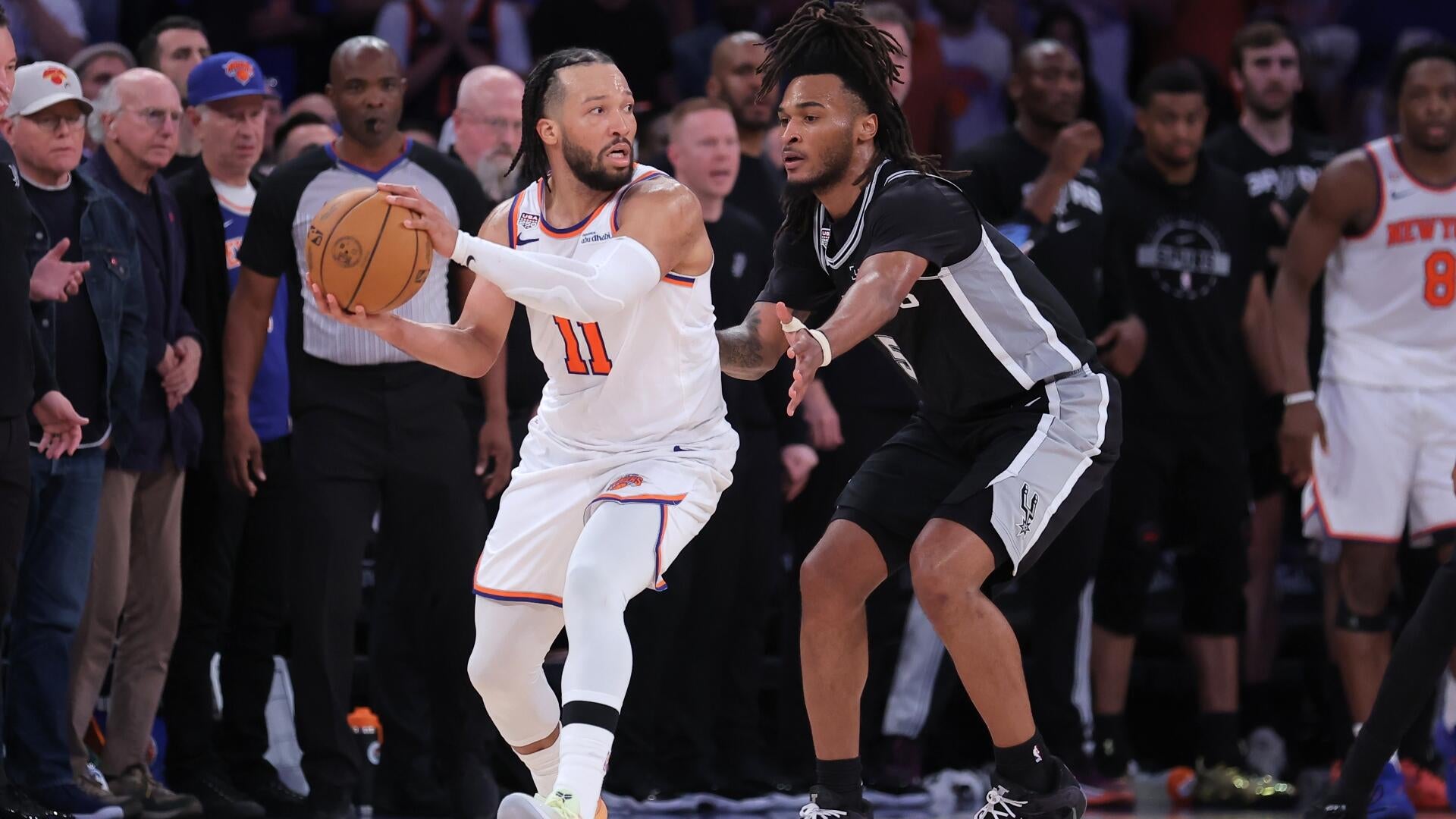
The San Antonio Spurs beat the Oklahoma City Thunder 112-108 on Thursday night, 28 May 2026, levelling the Western Conference Finals at 3-3 and forcing a winner-take-all Game 7 on Saturday. A Spurs victory would send them to the NBA Finals against the New York Knicks—and, according to NBA Live's verified Telegram thread dated 30 May 2026, guarantee that the league crowns an eighth different champion in eight consecutive seasons. That statistical quirk is not merely a trivia footnote. It is a mirror the NBA has been avoiding.
The Parity That Wasn't Supposed to Last
The conventional reading of the NBA's recent era treats the absence of a dominant dynasty as a sign of health. Competitive balance, the logic goes, keeps markets engaged, generates compelling storylines, and distributes championship prestige across a wider franchise base. Viewed from 30,000 feet, eight different champions in eight years sounds like a league working as intended. But the sources surface a more complicated picture. Sky Sports, in coverage published 29 May 2026, described the Thunder-Spurs decider as "the most anticipated matchup of the 2026 NBA playoffs"—language that acknowledges genuine sporting stakes while sidestepping a harder question: why does the most anticipated game of the season arrive as a coin flip rather than a coronation?
The NBA has long relied on superstar concentration to drive ratings and merchandise revenue. The league's commercial architecture is built around named stars, not interchangeable champions. When LeBron James moved between franchises, ratings followed. When Kevin Durant joined the Golden State Warriors in 2016, the Warriors became must-watch television precisely because they looked unbeatable. Unpredictability is celebrated in theory; in practice, a league without a recognizable villain—or hero—faces a different set of commercial pressures.
What the Sources Don't Tell Us About the Thunder
The Telegram thread from NBA Live and the Sky Sports preview both centre the Spurs as the ascending story. Neither source offers substantive detail on Oklahoma City's internal dynamics heading into Game 7. The Thunder's previous playoff exits—a Conference Finals loss to Denver in 2024, a second-round defeat by Minnesota in 2025—suggest a franchise that has fielded competitive rosters without converting them into Finals appearances. The sources do not specify whether Oklahoma City's coaching staff has made public statements about the series, nor do they detail any injury uncertainties heading into Saturday's decider.
That information gap matters. A Game 7 narrative requires at least two credible protagonists, and the available sourcing tilts heavily toward San Antonio's side of the story. The Thunder are the defending regular-season team with the league's best net rating in 2025-26; they do not appear in the thread context as anything more than the Spurs' opponent. Readers deserve to know whether Oklahoma City enters Saturday with a full roster, a deferred payday, or internal pressure to justify a franchise-altering trade package assembled over the past two seasons.
The Structural Argument Nobody Is Making
Eight consecutive different champions is not a sign of a healthy league ecosystem. It is a sign of a fractured one. The evidence—drawn from the thread context and the broader historical record—suggests three structural forces are simultaneously compressing and distorting competitive outcomes.
First, the luxury tax and second-apron penalties introduced in the most recent collective bargaining agreement have made it structurally difficult to retain elite cores beyond their natural window. Superstar movement is no longer purely a player-choice phenomenon; it is increasingly a financial necessity for franchises operating at the tax line. Second, the play-in tournament, introduced in 2020-21, has added entropy to the playoff field by ensuring that two additional teams per conference enter postseason contention each year. Third, and most consequentially, the league's draft lottery reform—implemented to discourage deliberate losing—has redistributed the probability of landing franchise-altering talent across a wider pool of bottom-dwelling teams.
The combined effect is a league that generates more competitive games and more different champions while simultaneously diluting the narrative weight of any single victory. The NBA does not have a parity problem. It has a storytelling problem. Eight champions in eight years is not a feature; it is a symptom of a league whose competitive architecture has outpaced its commercial imagination.
Stakes: Saturday and Beyond
If the Spurs win on Saturday, they face a Knicks team that dispatched Indiana in six games and arrives in the Finals with a fanbase that has not seen championship basketball in a generation. The narrative marketability of a Spurs-Knicks Finals is not obvious on its face—neither franchise carries the contemporary star wattage of a Durant-era Phoenix, a LeBron-led Cleveland revival, or a Jokić-driven Denver dynasty. Yet the sources do not engage with the commercial framing of a potential Finals matchup. The Telegram thread from NBA Live notes the eight-champion guarantee as a statistical curiosity; it does not interrogate what that guarantee means for the league's television ratings, merchandise revenues, or sponsor confidence heading into the next broadcast rights negotiation cycle.
The alternative is starker. An Oklahoma City victory keeps the Thunder's championship window open for at least another season and validates the franchise's strategy of accumulating draft capital and elite two-way players around a defined defensive identity. It also means the NBA avoids the awkward question of what a Knicks-Spurs Finals does for a league whose last three Finals averaged historically low viewership numbers.
Saturday's Game 7 is, in one sense, just a basketball game. In a larger sense, it is the NBA's most honest moment in years—a league that has confused competitive randomness for competitive balance, and has not yet reckoned with the difference.
Desk note: The thread context centred the Spurs' narrative and the statistical milestone of eight consecutive different champions. The Sky Sports framing treated the game as a sporting spectacle. Monexus has attempted to surface the structural and commercial dimensions that neither source addressed directly. The Thunder's institutional position—roster composition, coaching strategy, ownership ambition—remains underdocumented in the available inputs and has been flagged as a limitation throughout.
Wire provenance
This editorial synthesis draws on the following public wire/social posts:
- https://t.me/NBALive/0000