US and Philippines Reaffirm Defense Ties as Indo-Pacific Architecture Tightens
U.S. Secretary of War Pete Hegseth met with his Philippine counterpart Gilbert Teodoro on 30 May 2026 to advance defense cooperation, a signal of continued alignment between the treaty allies as regional competition intensifies.
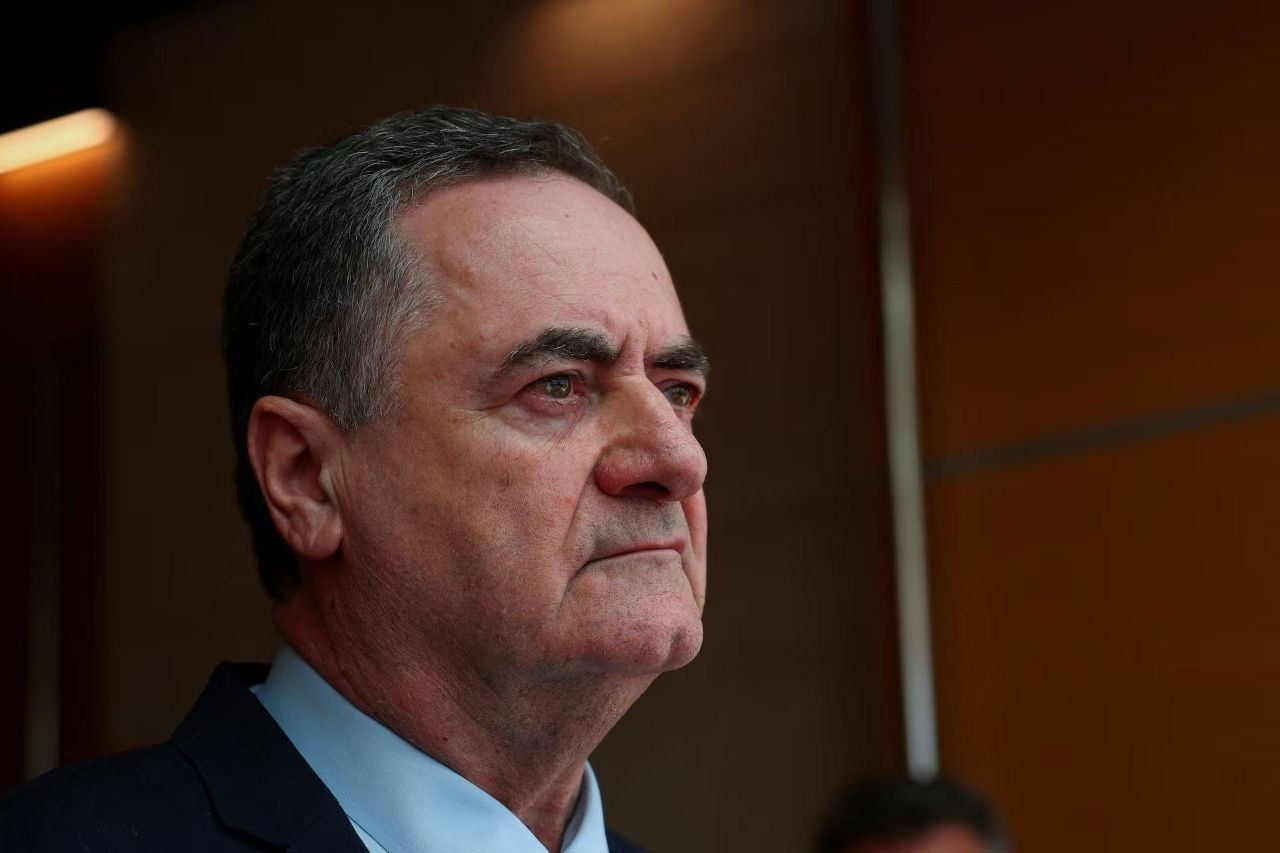
U.S. Secretary of War Pete Hegseth met with Philippines Secretary of National Defense Gilbert Teodoro on 30 May 2026, according to a post by the defense policy tracker GeoPWatch referencing the engagement. The two officials discussed bolstering defense cooperation between the treaty allies, in the latest expression of a security partnership that has deepened markedly under President Ferdinand Marcos Jr.'s administration in Manila.
The meeting arrives amid sustained friction in the South China Sea, where Philippine and Chinese vessels have repeatedly confronted each other near contested reefs and waters that Beijing claims virtually in their entirety. Washington and Manila are treaty partners bound by the 1951 Mutual Defense Treaty, which commits each side to act against armed attack in the Pacific — language both governments have increasingly cited as the relationship with China has grown more fraught.
The Strategic Logic of the Pivot
When Marcos took office in 2022, reversing the largely pro-China trajectory of his predecessor Rodrigo Duterte, the U.S.-Philippine relationship was treated by some analysts as a partnership in managed decline. That reading has not survived contact with events. The Philippines has expanded access for American forces under the Enhanced Defense Cooperation Agreement, a 2014 framework that permits U.S. military presence at designated Philippine bases — including Antonio Bautista Air Base on Palawan, the island province closest to contested waters in the South China Sea. Joint exercises have grown in scale and frequency. The U.S. Navy has resumed regular patrols in waters that China treats as its exclusive domain.
For Manila, the calculus is partly about deterrence and partly about signaling. A documented, publicly confirmed American security commitment makes any Chinese assertion in the South China Sea more costly to execute, because the calculus of escalation broadens. At the same time, the Philippines has not severed economic ties with China; Beijing remains its largest bilateral trading partner. The approach is one of hedging — deepening the American alliance while preserving commercial channels that Manila cannot afford to abandon.
Counter-Arguments and Regional Caution
Beijing's position, stated repeatedly through diplomatic channels and in state media commentary, holds that external powers are meddling in a bilateral dispute and using the Philippines as a forward post. Chinese officials have characterized U.S. military infrastructure in the archipelago as destabilizing and provocative. Within the Philippines, some domestic voices — particularly in earlier administrations — have argued that too close an embrace of Washington risks provoking the very Chinese assertiveness it is meant to deter, a classic security dilemma logic that has no clean resolution.
The sources do not include Chinese government statements specific to the Hegseth-Teodoro meeting. The counter-argument is noted as structural context: any deepening of U.S. military cooperation with a neighbor China considers within its sphere of influence will be read, in Beijing, as encirclement or containment. Whether that reading is accurate or warranted is a separate question from whether it is politically operative — and it is operative.
Structural Dynamics: Alliance Architecture in the Indo-Pacific
The meeting fits within a broader pattern of U.S. alliance consolidation across the Indo-Pacific. American policy under successive administrations has treated the network of treaties spanning from Japan and South Korea through the Philippines to Australia as a structural asset — a set of forward positions, pre-positioned logistics, and interoperable forces that any challenger must factor into operational calculations. The Philippines is unique among these in its direct maritime proximity to contested waters and its treaty obligations that explicitly extend to armed attack in the Pacific theater.
What the sources describe is an ongoing diplomatic engagement — a scheduled meeting between named officials advancing a defined policy direction. The framing of "bolstering defense cooperation with island-based countries" points to a U.S. posture that treats archipelago geography as strategically useful: distributed, harder to suppress, and offering multiple staging points for maritime operations. The sources do not specify what agreements or capabilities were discussed at the meeting.
Stakes and Forward View
For the United States, the stakes are about maintaining alliance credibility in a region where partners watch closely for evidence of commitment or retrenchment. A visibly active defense relationship with the Philippines — senior-level meetings, joint exercises, infrastructure access — signals that American power remains present and engaged. For the Philippines, the stakes are different: the alliance provides insurance against coercion, but it also constrains Manila's room to maneuver between powers. The Marcos government has made its choice of alignment clear. Managing the relationship so that it deters without provoking will be the continuing challenge.
Neither Washington nor Manila has an interest in an uncontrolled escalation. The question is whether the architecture of alliance and deterrence remains sufficient to absorb the friction that will continue in contested waters, without either side miscalculating what the other is prepared to do. The meeting between Hegseth and Teodoro does not answer that question. It is one data point in a relationship that both sides are methodically working to deepen.
This article used GeoPWatch Telegram posts as its primary wire source, supplemented by contextual reference to the U.S.-Philippine security architecture and South China Sea dynamics.
Wire provenance
This editorial synthesis draws on the following public wire/social posts:
- https://t.me/GeoPWatch/5821
- https://t.me/GeoPWatch/5820
- https://en.wikipedia.org/wiki/South_China_Sea