Game 7, Giantslayers, and the Counterargument Oklahoma City Keeps Refusing to Believe
Oklahoma City has the chance to close out the Western Conference Finals on its home floor against a San Antonio team that was never supposed to be here. The counterargument — that the Thunder have been here before and collapsed — is getting harder to sustain.
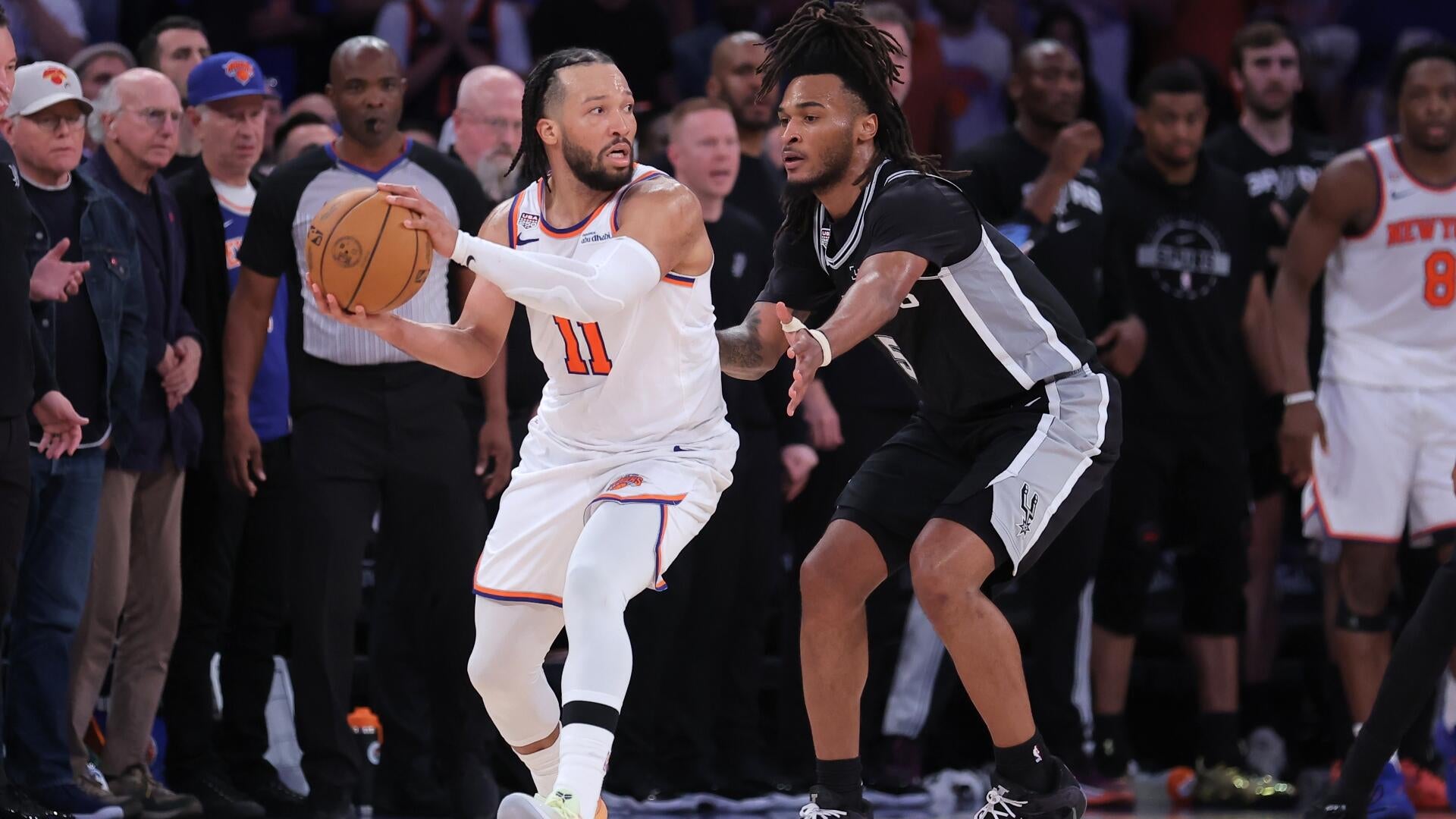
On the morning of 30 May 2026, Oklahoma City stands one victory from its first NBA Finals appearance since 2012 — the Kevin Durant era, a decade and a half ago, another franchise. The Thunder closed the regular season with the Western Conference's best record and a 69-13 mark that left little room for debate about their ceiling. What the playoffs have tested, repeatedly, is whether that ceiling translates when the margins narrow to a single game. Saturday night's Game 7 against the San Antonio Spurs provides the definitive answer.
The counterargument has followed Shai Gilgeous-Alexander throughout these playoffs. Oklahoma City knows how to build leads and win series in April and May — it has done both convincingly. What the Thunder have not done, under Gilgeous-Alexander or anyone since Durant's departure, is finish. Three Game 7s in Gilgeous-Alexander's career, a 2-1 record, and 27.7 points per game in those elimination circumstances. The statistics read well until you account for sample size, opponent quality, and the specific defensive attention he faced in those earlier series. Saturday's opponent — a San Antonio team that clawed its way past Minnesota in the first round and held serve on the road against Oklahoma City in Game 6 — is not a convenient proxy for prior study.
The Stakes Inside the Stakes
Harrison Barnes turned 34 on the morning of Game 7. The veteran forward has been a steadying presence for San Antonio throughout this run, averaging 14.8 points and 5.9 rebounds in the Conference Finals — modest by superstar standards, meaningful in the context of a Spurs roster built around collective execution rather than singular dominance. The framing of Saturday's Game 7 as a crossroads for both franchises is not hyperbole. San Antonio, playing a style that harkens back to the ball-movement principles that defined the Gregg Popovich era at its peak, has exceeded every preseason projection. Making the Conference Finals was the optimistic ceiling for a team that finished ninth in the West last season. Getting there and losing to a 69-win Oklahoma City team would represent genuine progress — the kind that lays groundwork for future contention rather than suggesting a ceiling already reached.
But progress and one win from the Finals occupy different categories entirely. If the Thunder close out on Saturday, the structural implications extend beyond Oklahoma City's immediate ambitions. This franchise spent four years rebuilding after Durant left and Russell Westbrook followed. It accumulated draft capital, waited for contracts to expire, and made the calculated bet that a superstar-caliber guard — Gilgeous-Alexander — could be the retributive prize for sustained patience. That bet has performed. The Thunder are not hoping for a future championship window. They are living inside one.
What the Numbers Cannot Capture
Game 7s resist clean statistical analysis in ways that regular-season performances do not. The sample sizes are small, the contextual variables are large, and the mental load on every player shifts in ways that box scores only partially reflect. What is measurable: Gilgeous-Alexander's 27.7 points per game across his three prior Game 7s represents elite production in the most structurally defensive postseason environment the NBA produces. What is not: whether the Oklahoma City roster around him has the collective composure to handle a crowd that will be louder than any regular-season environment, against an opponent whose coaching staff has had five full days to prepare adjustments.
The Spurs lost Game 5 in Oklahoma City by 12 points. They won Game 6 in San Antonio by 8. The series has been competitive in ways that the overall 3-2 line in Oklahoma City's favour does not communicate. The Thunder's two home wins were decisive; the Spurs' two home wins were competitive. Game 7 in Oklahoma City on 30 May 2026 tips back toward the home team by every structural prior — but the series has alreadyshown that those priors require qualification.
What Remains Uncertain
The sources consulted for this article do not contain an updated injury report for Saturday's game as of 30 May 2026. Whether any rotation player enters the evening listed as questionable, probable, or unavailable is not reflected in the public material reviewed. That absence matters: in a Game 7 decided by single digits, the availability of one role player can shift probability materially. Beyond the injury report, the extent to which San Antonio's bench scoring — which has been inconsistent across the Conference Finals — dictates the outcome remains genuinely open. The Spurs have shown they can compete on the road when their role players contribute. Whether they contribute for a fourth time in seven attempts against a Thunder defense that has ranked top-five in the league all season is the central unresolved question entering Saturday night.
The Pattern Beneath the Moment
Every successful franchise in the modern NBA eventually faces the same structural test: the moment when regular-season dominance must yield to postseason proof. Oklahoma City passed the first phase this season. The second phase — round after round, series after series — is a different evaluation. The Thunder have beaten quality opponents in consecutive rounds. They enter Game 7 at home. The external conditions favour them in ways that require no manufactured narrative to support.
What the next 48 hours will determine is whether this version of the Thunder — the one built around a two-way guard averaging over 32 points per game in the playoffs, supported by a roster that has grown together across several seasons of shared experience — can make the final conversion from promising to arrived. The Giantslayer label has followed Gilgeous-Alexander through two rounds of this postseason. It is an apt descriptor for what he has done. Whether it becomes a permanent credential is what Game 7 exists to answer.
Desk note: Wire coverage of this series has framed Oklahoma City as the heavy throughout — accurate as a label, but one that has compressed the narrative into a foregone conclusion that the Game 6 result and the series competitive data do not fully support. Monexus has attempted to reflect the structural favourite status while foregrounding the specific, contestable reasons the outcome is not predetermined.
Wire provenance
This editorial synthesis draws on the following public wire/social posts:
- https://t.me/NBALive/28432
- https://t.me/NBALive/28430
- https://t.me/NBALive/28418