IAEA Chief Condemns Drone Strike on Zaporozhye Nuclear Plant
Rafael Grossi, Director General of the International Atomic Energy Agency, condemned Saturday's drone attack on the Zaporozhye nuclear power plant, calling attacks on nuclear facilities categorically unacceptable as global nuclear safety norms face a fresh stress test in an active war zone.
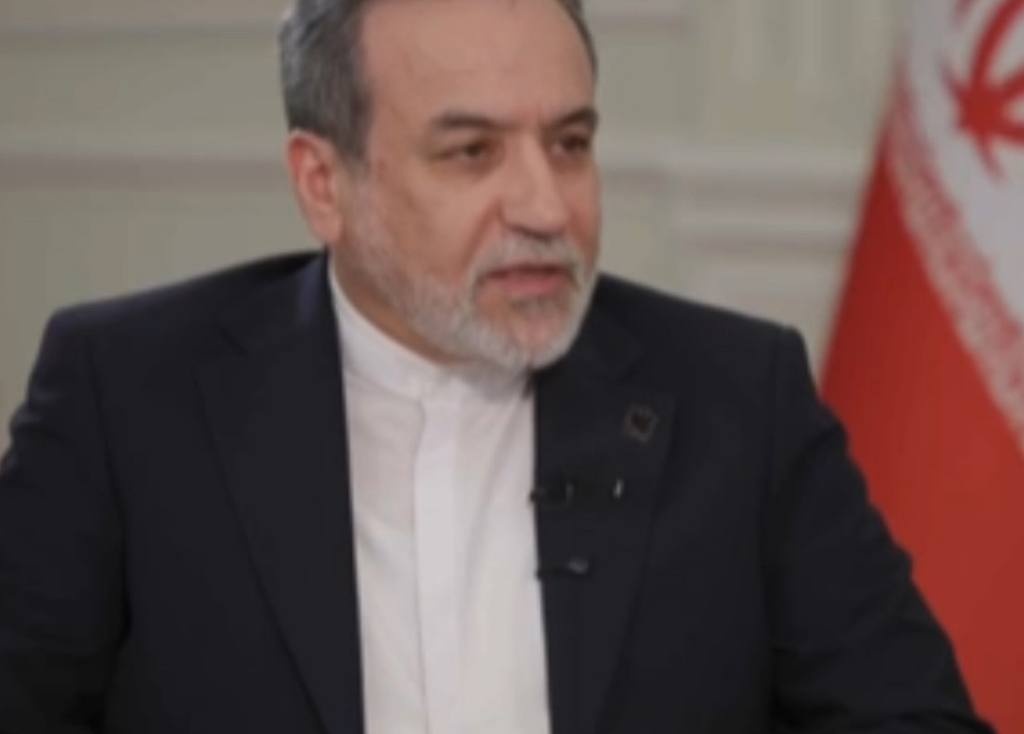
Rafael Grossi, Director General of the International Atomic Energy Agency, declared on Saturday that a drone strike on the Zaporozhye nuclear power plant constituted an unacceptable violation of a core international norm. The attack, which damaged infrastructure at Europe's largest operating nuclear facility, drew immediate condemnation from the UN nuclear watchdog as the plant remains under Russian military occupation in southeastern Ukraine.
Grossi's statement marked the latest in a series of warnings from the IAEA about the precarious situation at Zaporozhye, where the agency's inspectors have maintained a continuous presence since September 2022. The plant, which once supplied power to millions of Ukrainians, has sat in a militarised grey zone for over three years—operated technically by Ukrainian staff under conditions that nuclear regulators describe as inherently unstable.
The condemnation lands against a backdrop of escalating incidents involving nuclear-adjacent infrastructure across the conflict zone. In recent months, both Ukrainian and Russian authorities have accused each other of planning attacks on nuclear facilities, and the IAEA has repeatedly warned that any military action near reactor buildings or spent fuel storage constitutes a category of risk that has no acceptable threshold.
The Plant and Its Impossible Position
Zaporozhye's six reactors—five currently in cold shutdown, one in hot shutdown—represent a paradox that has defined the nuclear dimension of the conflict since Russia seized the facility in early March 2022. The plant sits on Russian-controlled territory astride the Dnipro River, but its operational workforce remains overwhelmingly Ukrainian, contracted through Energoatom, Ukraine's state nuclear utility. That arrangement, negotiated under IAEA mediation, has kept the reactors technically stable. It has not resolved the underlying danger of housing a nuclear site inside an active combat zone.
The drone strike reported on Saturday targeted infrastructure at the plant's perimeter. Grossi's language was categorical: attacks on nuclear facilities are, as a matter of principle, impermissible under international humanitarian law. The IAEA has maintained that position consistently since 2022, but Saturday's strike underscores how thin that norm has worn in practice.
The structural problem is straightforward. Zaporozhye exists in a legal and operational limbo that the international system lacks the leverage to resolve. Russia controls the territory. Ukraine controls the expertise. The IAEA can monitor and cajole. None of those actors can compel the outcome that nuclear safety logic demands: the demilitarisation of the site.
A Norm Under Pressure
International law treats attacks on nuclear facilities as a distinct category of concern, partly because the consequences of damage—radioactive release, contamination, evacuation of wide areas—fall so far outside the conventional calculus of military necessity. The Additional Protocols to the Geneva Conventions and the IAEA's Convention on the Physical Protection of Nuclear Material both establish that nuclear sites enjoy special protection. Violations are not merely illegal; they are categorically different from strikes on conventional infrastructure.
The problem is enforcement. No supranational body has the military capacity to intervene at Zaporozhye against the wishes of the occupying power, and the conflict's broader dynamics have produced what amounts to a stress test of whether those norms hold when a nuclear-armed state decides they are inconvenient.
Russia's position on the occupation has remained consistent: the plant was necessary to prevent what Moscow claimed would be Ukrainian provocations using the facility. Ukrainian and Western officials have rejected that framing as a pretext for seizing a strategic asset. The gap between those positions leaves the IAEA doing work it was never designed to do—holding a nuclear plant together through diplomatic pressure while a war grinds on around it.
What Comes Next
Grossi's statement is unlikely to alter the military calculus on either side. What it does is reassert, at the level of institutional voice, that the norm remains operative even when it is violated. That matters because the alternative—treating Zaporozhye as just another piece of infrastructure in a war zone—would open a door that every nuclear regulatory framework has spent decades trying to close.
The immediate stakes are operational: continued IAEA presence, intact cooling systems, no further damage to critical infrastructure. The longer stakes are normative. If strikes on nuclear facilities become a feature of the conflict rather than an aberration, the precedent propagates. Other states operating in contested environments will draw conclusions about what the international system will tolerate.
Grossi is scheduled to address the IAEA Board of Governors in coming weeks, where the Zaporozhye situation is expected to feature prominently. Whether that body can marshal anything beyond condemnation remains an open question. The agency has been effective as a monitor and a communication channel. Whether it can serve as a deterrent is a test the conflict is currently administering.
This publication covered the Saturday strike through IAEA-sourced statements and operational context. The attribution of responsibility for the attack remains contested and is not reflected in this article's framing.
Wire provenance
This editorial synthesis draws on the following public wire/social posts:
- https://t.me/JahanTasnim/28471