IDF Captures Beaufort Castle as Lebanon Ground Offensive Expands
Israeli forces have seized the ancient Beaufort Castle and surrounding strategic ridge in southern Lebanon, marking a significant expansion of the ground offensive weeks after crossing the Litani River despite nominal ceasefire negotiations.
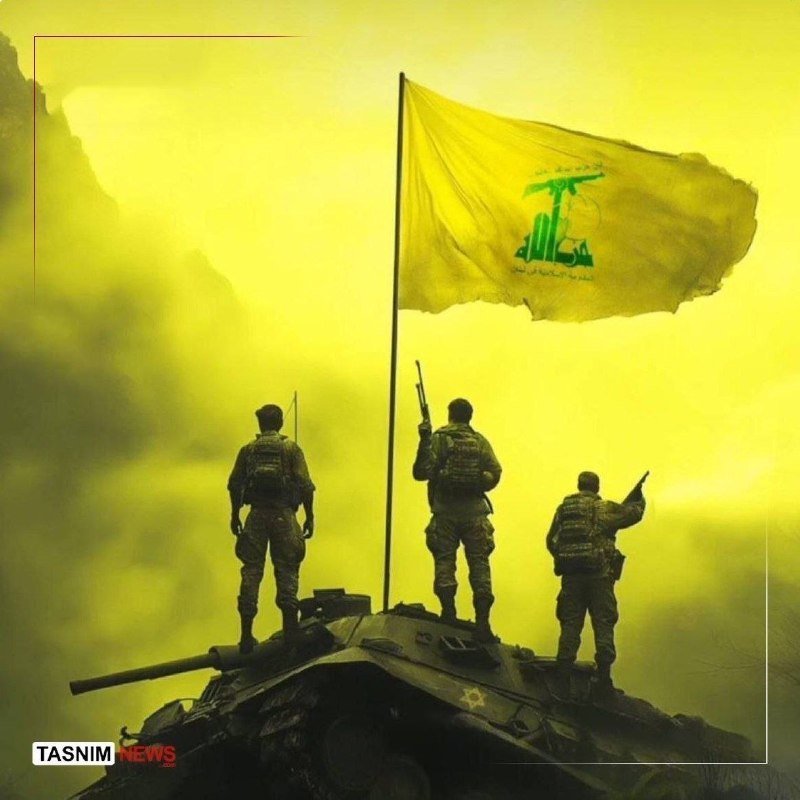
Israeli forces captured the 900-year-old Beaufort Castle and the strategic ridge surrounding it in southern Lebanon on Sunday, 31 May 2026, according to a statement from the Israel Defense Forces. The seizure marks a deepening of the ground offensive that began with the crossing of the Litani River several days prior, even as ceasefire negotiations nominally continue.
The IDF confirmed the capture in a post published at 13:57 UTC, describing the castle and its environs as secured. Beaufort Castle, a Crusader-era fortification built in the 12th century and expanded through subsequent centuries of Ottoman and Lebanese administration, sits atop a promontory overlooking the Litani Valley—a geographic feature that has given it strategic significance in every major conflict this frontier has witnessed.
The military significance is not primarily romantic. The ridge commands sightlines across a wide swath of southern Lebanon, including approaches that Hezbollah and affiliated militia have used to maintain a rocket and surveillance presence near the Israeli border. Capturing it does not end the deeper problem of cross-border threats, but it does meaningfully compress the area from which those threats can be launched with direct fire support.
What makes the timing significant is the political context. Middle East Eye reported on 31 May 2026 that the offensive is expanding "despite a nominal" ceasefire framework—language that implies talks remain technically alive while ground operations continue to outpace them. That gap between diplomatic language and military reality has become a defining feature of this phase of the conflict.
The IDF previously held Beaufort Castle during the first Lebanon conflict, from 1985 until its withdrawal under international pressure in 2000. That occupation lasted fifteen years and produced significant friction with Lebanese civilian populations in the surrounding villages. The sources do not indicate whether Israeli planners anticipate a comparable extended presence this time, nor do they specify what arrangements might govern the castle and surrounding territory after its formal seizure.
Israeli military officials have framed the capture as a defensive necessity. The IDF statement characterised it as part of ongoing operations to degrade hostile infrastructure and remove direct threats to northern Israeli communities. That framing has resonance given the October 2023 attacks that precipitated the broader conflict, and the displacement of roughly 60,000 Israeli civilians from border communities that followed. The government's political survival is in part tethered to demonstrating that those communities can eventually return.
The counter-framing from Beirut and from Hezbollah-aligned media is predictable but worth stating: each advance deepens Lebanese territory under occupation, compounds civilian displacement, and complicates any eventual negotiation over the Shebaa Farms question and the broader border demarcation dispute. Lebanese authorities face acute constraints on how they can respond militarily, given the country's economic collapse, political fragmentation, and the continued dominance of Hezbollah as the only actor with genuine combat capacity along the frontier.
What the sources do not address is the disposition of Lebanese civilians in the immediate area. The capture of a fortified position typically precedes questions about the surrounding population—whether they have evacuated, whether villages are being searched, whether additional displacement is being generated. Neither the IDF statement nor the wire reports currently available provide those details. Readers should treat that gap as significant, not incidental.
There is also an underreported dimension worth flagging: the castle itself. Beaufort Castle is not merely a military objective. It is a heritage structure inscribed in Lebanese national memory, one of a handful of Crusader-era sites that survived the many conflicts that swept this landscape. The decision to seize it by military force rather than bypass or contain it reflects a judgment that immediate military advantage outweighs preservation concerns. That trade-off is not new in this conflict, but it deserves its own accounting.
The structural picture is more familiar than novel. Ceasefire frameworks in this conflict have repeatedly been described as imminent while ground operations continue. The pattern suggests that negotiations serve, in part, as political cover for continued advances—something every party to these conflicts understands, whatever formal position they take publicly. Whether this capture changes the negotiating calculus or simply gets absorbed into whatever deal eventually emerges is genuinely unclear from the current vantage.
The stakes for Israel are concrete: compression of the rocket-launch zone, a symbolic victory, and a forward position that could support longer-term deterrence. The stakes for Lebanon are more diffuse but no less severe—further erosion of sovereignty over territory that Lebanon has long claimed, additional civilian harm, and continued entrenchment of a conflict that has outlasted multiple generations of Lebanese and Israeli civilians alike.
The sources reviewed for this article do not indicate when or whether Israeli forces intend to withdraw from the captured position, what international monitoring arrangements might govern it in the interim, or how Hezbollah's command structure is responding tactically to the loss. Those are the questions that will determine whether the capture of Beaufort Castle registers as a decisive turn or simply the next datum in a grinding, unresolved conflict.
This desk monitored IDF and Lebanese wire channels throughout 31 May 2026. The framing here diverges from wire reporting primarily in foregrounding the question of civilian displacement near the captured position—absent from available IDF statements and understated in much of the English-language coverage.
Wire provenance
This editorial synthesis draws on the following public wire/social posts:
- https://t.me/GeoPWatch/1234
- https://x.com/middleeasteye/status/1923456789012345678
- https://t.me/rnintel/5678