Iranian Ballistic Missile Debris Hits Kuwait Base; Five U.S. Servicemembers Reportedly Wounded
Debris from an intercepted Iranian Fateh-110 missile struck Ali Al Salem Air Base in Kuwait on 31 May 2026, reportedly injuring five American servicemembers. Secretary of Defense Pete Hegseth declined to comment upon returning to Joint Base Andrews.
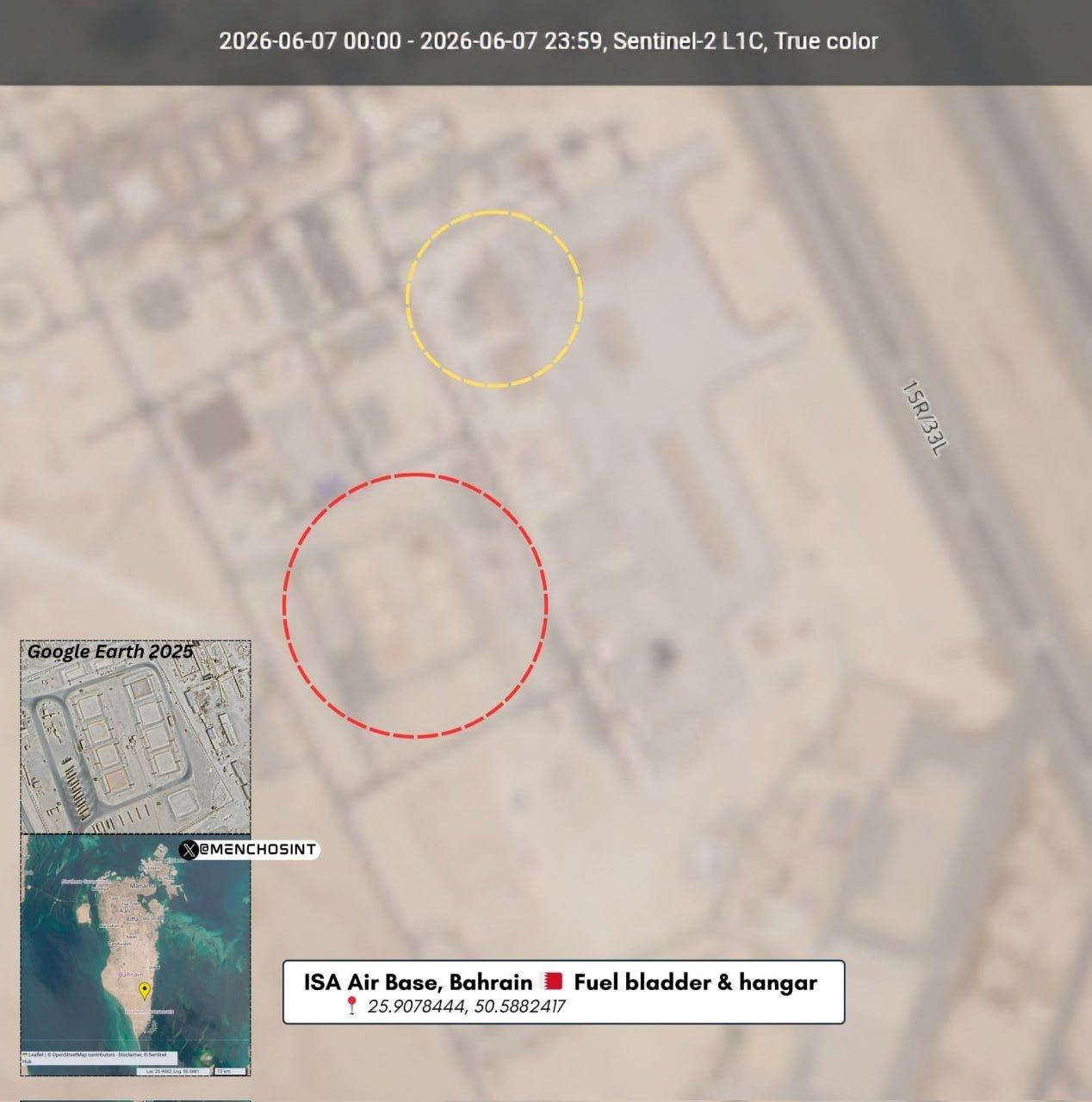
Five American servicemembers were reportedly injured on 31 May 2026 when debris from an intercepted Iranian ballistic missile struck Ali Al Salem Air Base in Kuwait, according to a Bloomberg report citing a source with direct knowledge of the attack. U.S. Secretary of Defense Pete Hegseth, returning to Joint Base Andrews later that evening, declined to answer questions from journalists about the incident.
The strike represents a significant escalation in the ongoing pattern of Iranian-linked military actions targeting U.S. and allied positions across the Gulf region. It also raises immediate questions about force protection protocols at American installations and the willingness of the Trump administration to respond militarily to attacks that stop short of lethal casualties.
What Happened at Ali Al Salem
According to reporting by Bloomberg, which cited a source described as having direct knowledge of the attack, an Iranian Fateh-110 short-range ballistic missile was intercepted over the Ali Al Salem Air Base complex. While the missile itself was destroyed by defensive systems, falling debris from the intercept impacted the base, causing injuries to five U.S. personnel. The nature and severity of those injuries remain undisclosed as of publication.
Ali Al Salem Air Base, located in northern Kuwait near the border with Iraq, hosts a substantial U.S. military presence and serves as a key logistics and staging hub for American operations throughout the Middle East. The installation has been a recurring feature in regional contingency planning, particularly as tensions between the United States and Iran have fluctuated over the past several years.
Upon Hegseth's return to Joint Base Andrews on the evening of 31 May 2026, reporters pressed him on the incident. Video footage from the arrival shows journalists asking the Secretary of Defense directly about the reported injuries. Hegseth did not respond to the questions and proceeded without comment. The non-response itself constitutes a data point: the Pentagon's posture toward the incident remained formally undefined as the working day ended in Washington.
Iran's Pattern of Gulf Operations
The Ali Al Salem incident is not an isolated event. Iranian-aligned forces have conducted a sustained campaign of pressure operations against U.S. and allied military infrastructure across Iraq, Syria, and the Gulf states over the past eighteen months. These operations have included rocket attacks on U.S. bases in the Anbar province of Iraq, missile launches from Yemen targeting shipping lanes, and continued support for proxy groups operating in positions that challenge American regional dominance.
The specific use of a Fateh-110 missile, a solid-fuel, road-mobile ballistic system with a reported range of approximately 300 kilometers, reflects Iran's established inventory of precision-strike weapons. The system has been deployed in previous confrontations and represents a capability that can reach targets throughout the Gulf region from launch sites inside Iranian territory or from forward positions maintained by proxy networks.
The pattern suggests deliberate calibration. Iranian military planners appear to be probing the threshold of what the United States considers a sufficient trigger for direct retaliation, consistently stopping at or near the line that separates provocative-but-non-lethal from an incident that would compel a military response. Whether this incident crosses that line remains to be seen.
The Force Protection Equation
Ali Al Salem Air Base's significance to U.S. regional posture cannot be overstated. The installation is one of the primary nodes in the American logistics network that sustains forces deployed across Iraq, Syria, and the broader Gulf. Any credible threat to that installation—physical or perceived—carries implications for the sustainability of the U.S. presence itself.
The five reported injuries, while not life-threatening according to initial accounts, underscore the reality that American personnel operating in the region live with persistent exposure. The debris from a missile intercept, even a successful one, is not a benign event. It is shrapnel, overpressure, and structural damage compressed into seconds. The fact that this incident produced casualties rather than a clean intercept is the kind of operational friction that complicates every force protection calculation.
For the Pentagon, the incident demands a response at some level. The credibility of American deterrence rests on the expectation that attacks on U.S. forces will be met with consequences. If the response is disproportionately muted, adversaries will note it. If the response escalates, the risk of a wider conflict increases. Somewhere between silence and strikes lies a calibrated answer that current sources do not yet reveal.
What Comes Next
The silence from Hegseth at Joint Base Andrews is not permanent. The Secretary of Defense will face the question again, likely at the Pentagon briefing room or in classified consultations with Congressional committees. The answer, when it comes, will signal the administration's appetite for a direct confrontation with Iran or its preference for alternative levers of pressure—sanctions, diplomatic isolation, or covert operations.
Iran's calculus is equally uncertain. Tehran has demonstrated a consistent interest in testing American resolve without triggering the kind of overwhelming response that followed the Soleimani strike in 2020. Whether that calibration holds after this incident depends on signals yet to be sent from Washington.
The sources reviewed for this article do not yet confirm the severity of the servicemembers' injuries, the specific intercept system that engaged the Fateh-110, or the timeline of the base's return to normal operations. Monexus will continue to monitor statements from the Pentagon and allied governments for additional detail. What is clear is that the threshold between pressure and conflict has moved again—and the next twenty-four hours will begin to define which side of it the region stands on.
This publication's coverage prioritises wire reporting and OSINT sources in the immediate aftermath of a developing incident. Bloomberg's sourcing from a direct-knowledge witness provides the most specific detail available; OSINT channels are being cross-referenced against satellite imagery of Ali Al Salem for independent corroboration of debris patterns. A fuller picture will require official confirmation from U.S. Central Command and the Kuwaiti Defence Ministry.
Wire provenance
This editorial synthesis draws on the following public wire/social posts:
- https://t.me/GeoPWatch/8942
- https://t.me/osintlive/14218
- https://t.me/osintlive/14216
- https://t.me/GeoPWatch/8941