Iran Signals Counter-Amendments as US Talks Enter Delicate Phase
Tehran has notified Washington that it will submit its own revisions to a draft memorandum of understanding, according to Iranian state media, as both sides test the outer limits of a negotiating process that remains short on specifics and long on mutual suspicion.
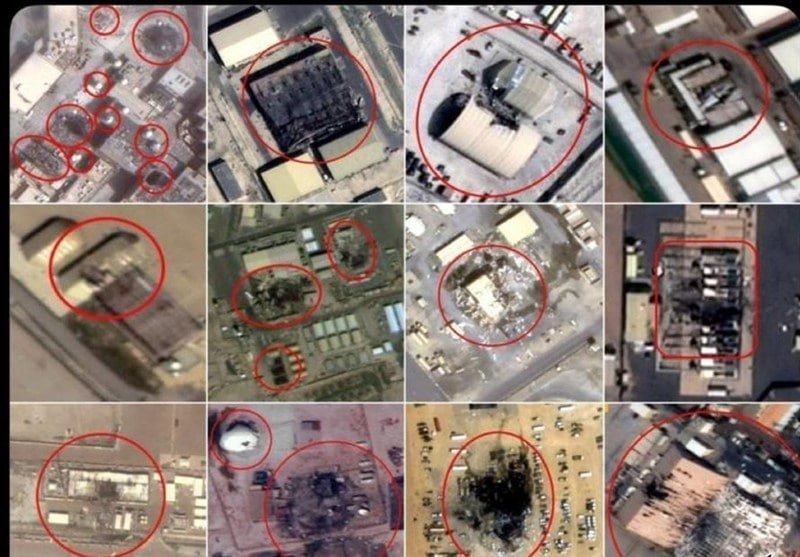
Iran will submit its own amendments to a draft memorandum of understanding under discussion with Washington, according to a source familiar with the talks speaking to Tasnim News Agency on 31 May 2026. The disclosure came as Iranian state media moved to rebut earlier reports — also carried by Tasnim — suggesting US President Donald Trump had proposed new modifications to the text.
The sequence matters. Initial reports, citing the same unnamed source, described Trump's proposed amendments. Within hours, a follow-on dispatch from Tasnim reframed those reports as unconfirmed, positioning Iran as the party introducing fresh language rather than responding to pressure from Washington. The reversal, whether deliberate or organic, underscores the tightrope both governments are walking as they attempt to sustain a diplomatic process without appearing to concede ground.
The Substance of the Sticking Points
Neither the draft memorandum nor the proposed amendments have been made public. What is known comes from the Tasnim sourcing and from regional reporting by Middle East Eye, which on 31 May confirmed that Iran had put forward new amendments and had not accepted changes attributed to the Trump administration. The gap between confirmed fact and available detail is considerable.
What the reporting does establish is that the talks are not frozen. A negotiating text exists. Both sides are proposing modifications to it. And each side appears unwilling to be cast as the party that blinked first. Iranian officials, speaking through state-linked outlets, have been careful to frame any proposed US changes as something Iran would counter rather than accept wholesale.
The indirect nature of the talks — Washington and Tehran do not hold face-to-face meetings — adds a layer of interpretive risk to every sourced disclosure. Signals get amplified, misread, or managed for domestic audiences. The Tasnim dispatches function, in part, as controlled leaks designed to shape the information environment around the negotiations.
Reading the Counter-Narrative
The most straightforward read of the Tasnim reporting is that Iran is asserting ownership over the draft's direction. By announcing it will table its own amendments regardless of what Washington proposes, Tehran signals it is not a passive respondent but an architect of whatever agreement eventually emerges.
A less flattering interpretation is that the amendment cycle is a stalling mechanism — a way to keep the talks technically alive while both sides defer the harder choices about enrichment levels, sanctions relief, and verification. Each round of proposed text changes gives negotiators something to discuss without confronting the core incompatibilities that have derailed previous rounds of diplomacy.
The available sources do not permit a confident choice between these readings. What can be said is that the White House has signaled willingness to negotiate after years of maximalist pressure, and that Iran has responded with engagement rather than flat rejection. Whether that engagement is substantive or performative remains the central unanswered question.
The Structural Context
Iran's nuclear programme has been operating under escalating international scrutiny since the 2015 Joint Comprehensive Plan of Action collapsed. Iran has advanced its enrichment capabilities well beyond the limits that agreement set. The incoming Trump administration, which previously withdrew from the JCPOA during its first term, has this time signalled openness to a different kind of deal — one that addresses Iran's ballistic missile programme alongside its nuclear activities.
Iran has consistently maintained that its nuclear work is entirely peaceful and that it will not accept constraints negotiated under duress. The framing from Tehran frames the current talks as an opportunity for normalisation, not capitulation. The amendment exchange, from that vantage point, is proof the process is Iranian-led.
From the US side, the structural interest is clear: prevent Iran from acquiring a nuclear weapon while avoiding the military confrontation that administration officials have repeatedly said they want to sidestep. A negotiated freeze — even an imperfect one — is preferable to the alternatives on the table.
Stakes and What Comes Next
The near-term stakes are regional and economic. A breakdown in talks risks resumed sanctions escalation, further instability in the Gulf, and disruption to oil markets that are already sensitive to Middle East supply concerns. A breakthrough — even a partial one — would represent the most significant US-Iran diplomatic engagement in years and would reshape calculations across the Gulf, Israel, and Europe.
Domestically, both governments face constraints. The Trump administration is navigating competing signals from Gulf partners who fear both a US-Iran deal and the absence of one. Iran's political establishment, which includes hardliners skeptical of any engagement with Washington, requires that any agreement be cast in terms of Iranian victory rather than concession.
The talks, by all accounts, continue. What the 31 May disclosures confirm is that both sides are still in the room — or at least still communicating through it. Whether the amendment exchange represents genuine movement toward compromise or a sophisticated way to manage failure is a question the available record cannot yet answer.
Monexus has been tracking Gulf-mediated US-Iran proximity talks since their disclosure in April 2026. Western wire coverage has focused on administration statements; Iranian and regional sources have provided the most granular account of the negotiating text itself.
Wire provenance
This editorial synthesis draws on the following public wire/social posts:
- https://t.me/thecradlemedia
- https://t.me/thecradlemedia
- https://t.me/euronews