Israel Captures Beaufort Castle in Southern Lebanon, First Occupation Since 2000 Withdrawal
Israeli forces entered Beaufort Castle on May 31, 2026 — the first time the IDF has occupied the Crusader-era fortress since Israel's full withdrawal from Lebanon in May 2000. The capture marks a significant escalation in the ongoing cross-border confrontation with Hezbollah.
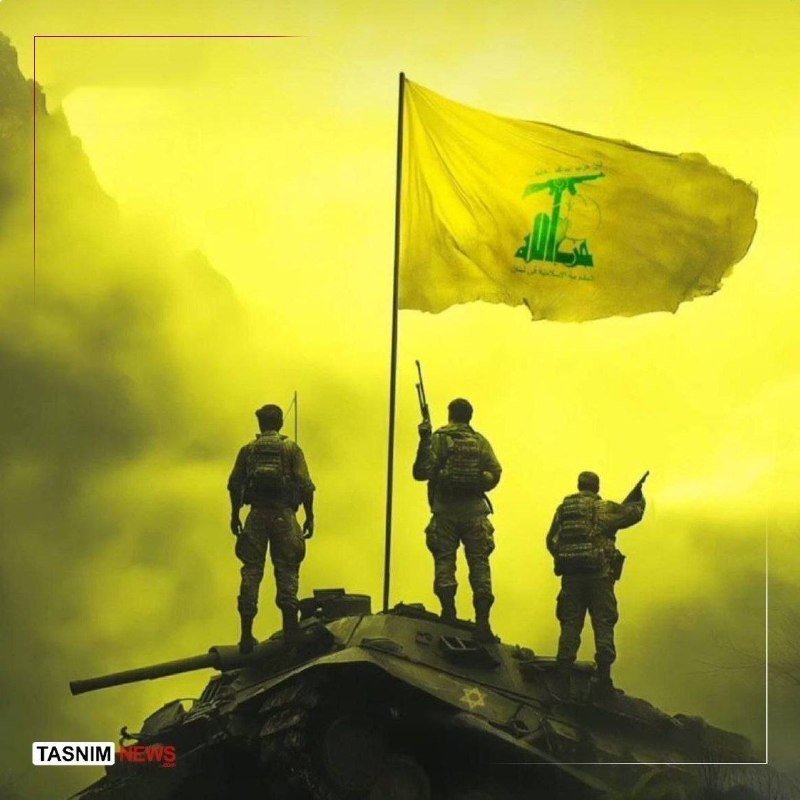
Israeli forces entered Beaufort Castle on May 31, 2026, occupying the Crusader-era fortress for the first time since Israel's full withdrawal from Lebanon in May 2000. The capture was confirmed by Israeli Defense Minister Katz and reported by Reuters, marking a significant escalation in the cross-border confrontation that has defined the Israel-Hezbollah dynamic since October 2023.
The fortress, known in Arabic as Qala'at al-Shaqif, sits on a strategically critical height north of the Litani River — a geographic position that offers commanding views over a substantial portion of southern Lebanon. For IDF planners, the elevation provides a surveillance and defensive advantage that Lebanese and Hezbollah forces have leveraged for decades. Its name echoes through twenty-six years of Israeli military planning as a site that, once lost, represented the boundary of what withdrawal meant in practice.
A Symbolic and Strategic Objective
Beaufort Castle has occupied a specific place in Israeli military doctrine since well before the current confrontation. The IDF briefly held the position during the 2006 Lebanon war before being forced to withdraw under the terms of UN Security Council Resolution 1701, which ended that month's hostilities and established a framework for Lebanese army and UNIFIL presence in the south. The resolution prohibited Hezbollah from maintaining armed forces south of the Litani River — a provision that collapsed in the years after 2006 as Hezbollah rebuilt its infrastructure and capabilities in the area.
Israeli officials have framed the current operation as a limited, targeted action rather than the opening phase of a broader ground invasion. The IDF confirmed the capture via official channels on May 31, 2026, describing it as a defensive move designed to eliminate a direct threat to northern Israeli communities. Defense Minister Katz announced the capture in explicit terms, according to Euronews reporting, characterising the fortress as strategically vital ground that Hezbollah had used to threaten Israeli territory.
The phrasing matters. Israeli statements have consistently emphasised that the operation targets a specific fortified position and the forces occupying it, not a wholesale reoccupation of southern Lebanon. Whether that distinction holds as events develop remains to be seen — the historical record shows that limited Israeli operations in Lebanon have a tendency to expand when initial objectives prove insufficient to address the underlying threat.
What the Capture Does and Does Not Mean
The dominant framing in Western wire coverage has focused on the symbolic weight of the capture — a fortress taken twenty-six years after the IDF last held it, now occupied under circumstances that recall the 2006 war rather than the managed ceasefire that followed. Reuters described the operation as part of a "push against Hezbollah," language that situates it within an ongoing campaign rather than a discrete incident.
That framing is accurate as far as it goes. But it understates the structural reality of what the position means for the broader military balance. Beaufort Castle is not merely symbolic. Its elevation provides line-of-sight over multiple approach routes into northern Israel, and its capture removes a Hezbollah observation post that had been feeding targeting data on Israeli civilian and military infrastructure for years. Israeli officials have long argued that Resolution 1701's enforcement failures left them no choice but to address the threat directly when the political cost of inaction became unsustainable.
An alternative reading of the event is available and worth considering. Hezbollah and its Iranian backers have long understood that the fortress's location made it a logical escalation point — a position whose capture by Israel would be both militarily significant and politically charged. The question is whether Hezbollah's current posture reflects a deliberate calculation that limited confrontation serves Iranian strategic interests better than full-scale war, or whether the capture triggers a response that widens the conflict. The sources reviewed do not establish which scenario the Hezbollah leadership is currently pursuing.
The Regional Architecture Under Strain
The capture of Beaufort Castle arrives at a moment when the regional architecture governing Lebanon and northern Israel is already under severe stress. Resolution 1701, which was designed to provide a framework for coexistence between Israeli and Lebanese sovereignty claims, has not been meaningfully enforced since at least 2016. Hezbollah's military buildup south of the Litani River proceeded without meaningful international intervention, and Israel's 2023 decision to define the ongoing security situation as a war rather than a border incident reflected a determination to address the threat outside the constraints of the existing diplomatic framework.
The structural pattern here is not unique to this moment. It follows the same logic that governed the 2006 war and the decade of inconclusive low-intensity confrontation that followed: an agreement that all parties nominally accept but none fully implement, leading eventually to a breakdown that one side chooses to force. Israel has chosen to force that breakdown now, for reasons its government has articulated in terms of northern community security and the failure of deterrence. Whether the capture of a single fortified position changes the underlying calculus — or whether it simply marks another step in a conflict that neither side has found a way to end — remains an open question.
The diplomatic response from Washington, European capitals, and the UN has been measured, as such responses typically are at the early stages of an escalation. France and the United States have maintained communication channels with both Tel Aviv and Beirut, but the historical record suggests those channels produce results only when both parties to a conflict have exhausted their preferred military options. The capture of Beaufort Castle has not yet reached that point.
What Comes Next
The immediate aftermath of the capture will be defined by two competing dynamics. The first is Hezbollah's response calculus — whether the group chooses to absorb the loss, escalate with rocket and missile fire, or attempt a conventional counterattack on the IDF position. The second is how the IDF manages the ground it has taken — whether forces withdraw after achieving the stated objective or establish a presence that effectively creates a new forward line.
Israeli officials have signalled that the operation is ongoing but limited in scope. That signal is designed to manage international concern and reduce the pressure for an immediate ceasefire while allowing the military to consolidate its position. Whether it achieves that balance depends on factors the current sources do not fully illuminate — Hezbollah's order of battle, the group's willingness to absorb losses without response, and the degree to which Iranian guidance is shaping Lebanese decision-making.
For Lebanese civilians in the area, the capture adds another layer to a displacement crisis that has already driven significant population movement from southern villages. UN agencies and international humanitarian organisations have not yet issued formal assessments of the civilian impact, but the operational reality of IDF forces in control of a major elevated position north of the Litani River means that areas previously considered relatively safe are now in direct proximity to a front line.
The fortress itself, built by Crusader forces in the twelfth century and captured and recaptured across centuries of Levantine conflict, will survive whatever military outcome follows. Its strategic value to the current parties to the confrontation is a function of geography and the capabilities of the forces that hold it — not of its historical resonance, however much that resonance shapes the framing of events in both Arabic and Hebrew media.
Monexus is covering this development as a discrete military incident with significant diplomatic implications, noting that the capture itself has been confirmed by Israeli and wire sources while the broader trajectory of the Israel-Hezbollah confrontation remains unresolved.
Wire provenance
This editorial synthesis draws on the following public wire/social posts:
- http://reut.rs/4ee7ZFZ
- https://t.me/ClashReport/48251
- https://t.me/euronews/28941