Lebanon Death Toll Reaches 3,412 as Israeli Military Campaign Enters Third Month
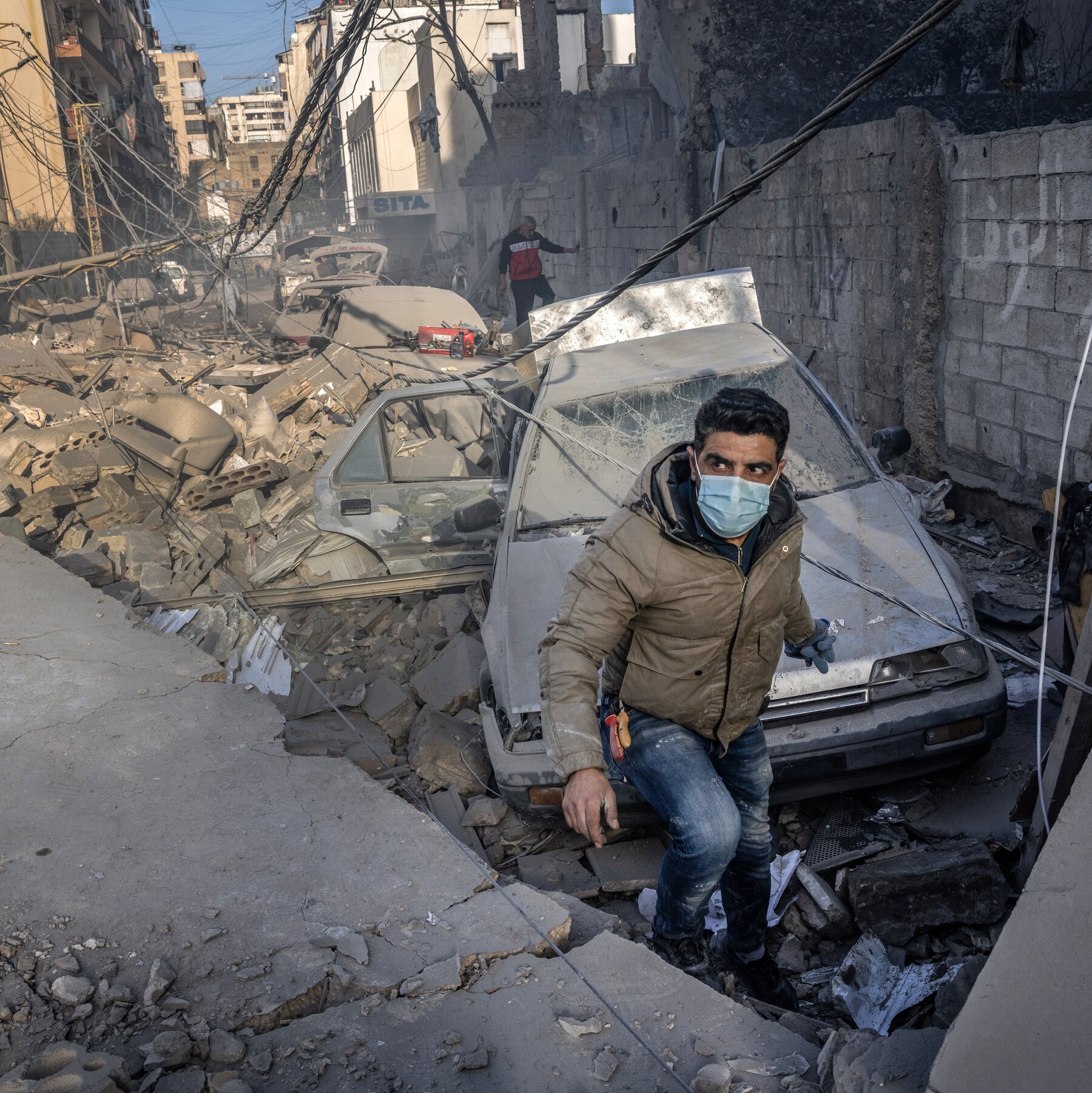
The Lebanese Ministry of Health confirmed on 31 May 2026 that 3,412 people have been killed and 10,269 wounded since Israel escalated its military campaign against the country on 2 March. The figures, released as the conflict enters its thirteenth week, represent a death toll that aid organisations describe as catastrophic in scale and pace.
The ministry's count includes civilians, healthcare workers, and first responders killed across Lebanon's southern regions, the Bekaa Valley, and suburbs of Beirut. Casualty figures have climbed steadily as Israeli forces have conducted sustained airstrikes and ground operations in areas previously considered outside the conflict's primary zone.
The Human Cost
The numbers from Lebanon's health authorities paint a picture of concentrated civilian harm. Between 2 March and 31 May, the Ministry of Health recorded an average of more than 37 deaths per day across the country — a rate that has placed enormous strain on a healthcare system already weakened by years of economic collapse.
International Committee of the Red Cross teams operating in the south have reported repeated disruptions to ambulance services and the destruction of at least three primary health clinics since the escalation began. The World Health Organization has called for protected medical corridors, though formal agreements on ceasefire terms remain elusive as diplomatic efforts stall in Cairo and Doha.
Israeli military officials have stated that their operations target Hezbollah infrastructure and fighters, and that their forces take precautions to reduce civilian harm. Israeli spokespeople have cited specific incidents where warnings were issued before strikes and where fighters were confirmed present in structures that subsequently suffered civilian casualties. Those claims have not been independently verified by neutral third parties, and conflict monitors note that the fog of war makes attribution difficult in the immediate aftermath of strikes.
Differing Narratives on Legitimacy
The Lebanese government has characterised the campaign as a full-scale aggression against its sovereign territory. Hezbollah, which has conducted retaliatory strikes into northern Israel throughout the period, has framed its actions as resistance to an occupying force. Both sides claim legal justification for their operations under different interpretations of international law governing armed conflict.
Western governments, including the United States, have largely declined to call for an immediate ceasefire, instead calling for diplomatic frameworks that would move toward a lasting resolution. Critics of that approach, including a coalition of non-governmental organisations and a number of United Nations special rapporteurs, argue that the absence of a binding ceasefire demand effectively signals tolerance for continued operations that have produced overwhelming civilian casualties.
The framing of the conflict varies significantly across wire services and national broadcasters. Arabic-language outlets covering the region from Beirut and Ramallah have consistently led with casualty figures and civilian harm, framing the humanitarian cost as the primary story. English-language coverage from Western outlets has more often led with security dimensions — Hezbollah's rocket capabilities, Israeli military objectives, and the status of ceasefire negotiations — while the civilian death toll has appeared in supporting paragraphs.
Structural Dimensions of the Conflict
The current escalation follows the collapse of a tentative ceasefire framework in late 2024, when negotiations in Geneva broke down over sequencing questions — specifically whether a permanent cessation of hostilities should precede or follow the implementation of a disarmament arrangement for Hezbollah. That framework had been brokered with French and American involvement, and its failure left a legal and diplomatic vacuum that subsequent military operations have filled.
Israel's stated objectives in the current campaign include the destruction of Hezbollah's long-range rocket arsenal, the establishment of a buffer zone along the Blue Line demarcation, and the forced relocation of Hezbollah's command infrastructure away from populated areas. Military analysts note that while Israeli forces have degraded some elements of Hezbollah's capabilities, the organisation retains significant short-range rocket capacity and has demonstrated an ability to sustain operations across multiple fronts simultaneously.
The economic dimensions of the conflict are also significant. Lebanon's economy, still recovering from the 2019 financial collapse, faces an estimated reconstruction cost that the World Bank has projected could exceed twelve billion dollars should the current level of destruction persist through the end of the year. Insurance claims from property damage have already overwhelmed what remains of Lebanon's private insurance sector, and the central bank has requested emergency technical assistance from the International Monetary Fund.
What Comes Next
The trajectory of the conflict will depend substantially on whether diplomatic channels reopen with any prospect of binding agreements. Egyptian mediators have indicated that Cairo remains available as a venue for indirect talks, though no formal invitation has been extended as of 31 May 2026. Qatari officials have separately signalled willingness to host direct negotiations, a proposal that both sides have neither accepted nor formally rejected.
For Lebanese civilians in the affected areas, the immediate concern is more immediate than any diplomatic framework. The United Nations Office for the Coordination of Humanitarian Affairs reported on 29 May that approximately 180,000 people remain internally displaced within Lebanon, with the majority sheltering in informal settlements in the Bekaa Valley and northern regions. Winter weather conditions have complicated humanitarian access, and aid groups report that supply convoys face repeated delays at Israeli-controlled checkpoints.
The death toll, at 3,412, represents a figure that exceeds the initial projections of most conflict-modelling organisations when the campaign began in March. Whether that number stabilises, accelerates, or begins to decline will depend on decisions made in capitals — not in the field.
This publication's coverage of the Lebanon conflict leads with the Lebanese Ministry of Health's verified casualty figures, a framing more commonly found in regional wire reporting than in Western broadsheet coverage, which has more often prioritised the security dimensions of the conflict as the lead story.
Wire provenance
This editorial synthesis draws on the following public wire/social posts:
- https://t.me/thecradlemedia
- https://t.me/alalamarabic
- https://t.me/wfwitness
- https://t.me/GeoPWatch