Markets Are Priced for Diplomatic Failure. They're Probably Right.
Prediction markets assign roughly 30% odds to Hormuz traffic normalizing by June's end, and only 28% to a Trump-Iran conversation resuming. That's not pessimism — it's a structural reading of the incentives that govern both sides.
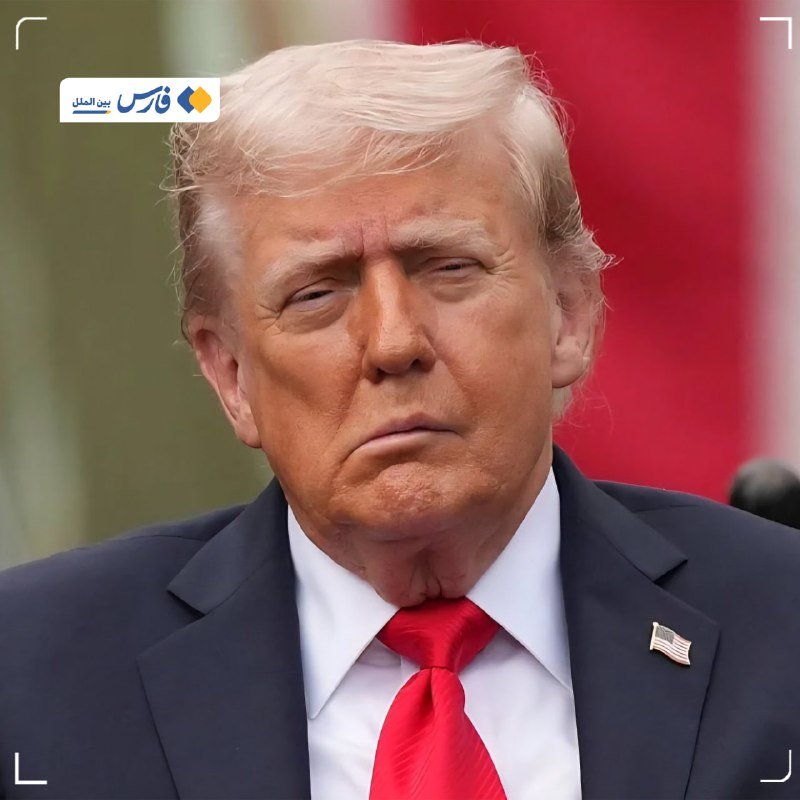
The prediction markets are not kind to optimists. As of late May 2026, Polymarket users assign roughly a 30% probability to Hormuz Strait traffic returning to normal levels by the end of June — and only a 28% chance that Donald Trump speaks with an Iranian counterpart during the same window. Those are low odds. But they reflect something more than media fatigue or fatigue with media: they reflect a structural reading of what both sides actually want from a negotiation, and what neither side is prepared to give.
The Number Nobody Wants to Talk About
Prediction markets are not crystal balls. But they aggregate information in ways that headlines do not: when a contract settles at 30 cents on the dollar, it means a crowd of strangers, wagering real money, decided that was the fair price of the outcome. On Hormuz normalization, that price implies the market does not believe a diplomatic resolution is likely in the near term — and more importantly, it does not believe a military de-escalation is either. The strait remains contested territory in every sense that matters: physically, financially, and rhetorically.
What both the Hormuz contract and the Trump-speak contract share is a quiet assumption: that the current equilibrium — sanctions on Iran, Iranian enrichment at weapons-grade levels, and a US posture of strategic ambiguity — is durable precisely because neither party benefits more from moving than from staying still.
The Asymmetry the Headlines Miss
Western coverage of the Iran file tends to frame the question as whether a deal can be done. That framing privileges the US side — as if Iranian compliance is the variable, and American willingness is the constant. The prediction markets tell a different story. The 28% on a Trump-Iran conversation reflects the market's view that Washington, not Tehran, is the party with the most to lose from sitting down — and therefore the party most likely to stay away.
Trump's domestic coalition has strong views on Iran. The nuclear question is not abstract for the voters who supported the current administration's approach: it intersects with Saudi normalization, Israeli security guarantees, and a broader regional posture that would need to be unraveled before any serious talks could begin. Sitting down with Tehran, on those terms, is not a concession — it is a structural concession. The probability reflects that weight.
On the Iranian side, the calculus is different but equally stable. The current government has absorbed maximum pressure and survived. The rial has stabilized, smuggling networks have adapted, and the enrichment program has continued at levels that no earlier deal constrained. Tehran has demonstrated that containment is not the same as capitulation. The incentive to move, from Iran's perspective, is lower than the US case implies.
What the Strait Actually Tells Us
The Hormuz contract is the more revealing of the two. Normalizing strait traffic requires either a lifting of the sanctions regime that makes it impossible, or a military de-escalation that removes the threat of interdiction. Neither is on the table in any serious way. Iranian Revolutionary Guard naval activity in the Gulf remains a daily fact of life; US carrier groups rotate through regularly; and the shipping insurance market continues to price in a risk premium that reflects the current equilibrium — not a hypothetical peace.
The 30% probability is not a statement about whether Iran wants revenues restored. It is a statement about whether the mechanism for restoring them exists right now. The answer, according to the market, is no.
The Version the Market Isn't Pricing
There is a scenario neither contract captures: a shock — a tanker attacked, a US ship struck, a third-party escalation — that forces both sides to the table not because they chose to, but because the alternative is worse. That is the scenario that markets systematically underprice because it is, by definition, outside the distribution of normal outcomes. It is also the scenario that keeps regional actors from sleeping soundly: the possibility that the current stable instability breaks in a direction nobody intended.
The prediction market odds are reasonable assessments of a diplomatic path. They say nothing about the non-diplomatic path, and that silence is where the real risk lives. A 28% chance of a conversation and a 30% chance of normalized transit leave a 70% window for something else — something that the market's probabilistic language cannot name.
What Comes Next
The silence from Washington and Tehran is not accidental. It is the product of both sides having done the arithmetic and concluded that the current posture — maximum pressure without maximum war — serves their interests better than the alternatives. That arithmetic is not immutable. Sanctions erode, elections intervene, regional dynamics shift. But as of late May 2026, the market is pricing a status quo that neither side appears eager to break. The question is whether that status quo holds until something breaks it from the outside.
Wire provenance
This editorial synthesis draws on the following public wire/social posts:
- https://t.me/TSN_ua/11246