Pulisic Ends Drought as USMNT Stuns Senegal in Pivotal World Cup Tuneup
Christian Pulisic's first goal since November 2024 powered the United States to a 3-2 friendly victory over Senegal on Sunday, offering concrete evidence that Mauricio Pochettino's tactical vision is taking shape ahead of the 2026 World Cup.
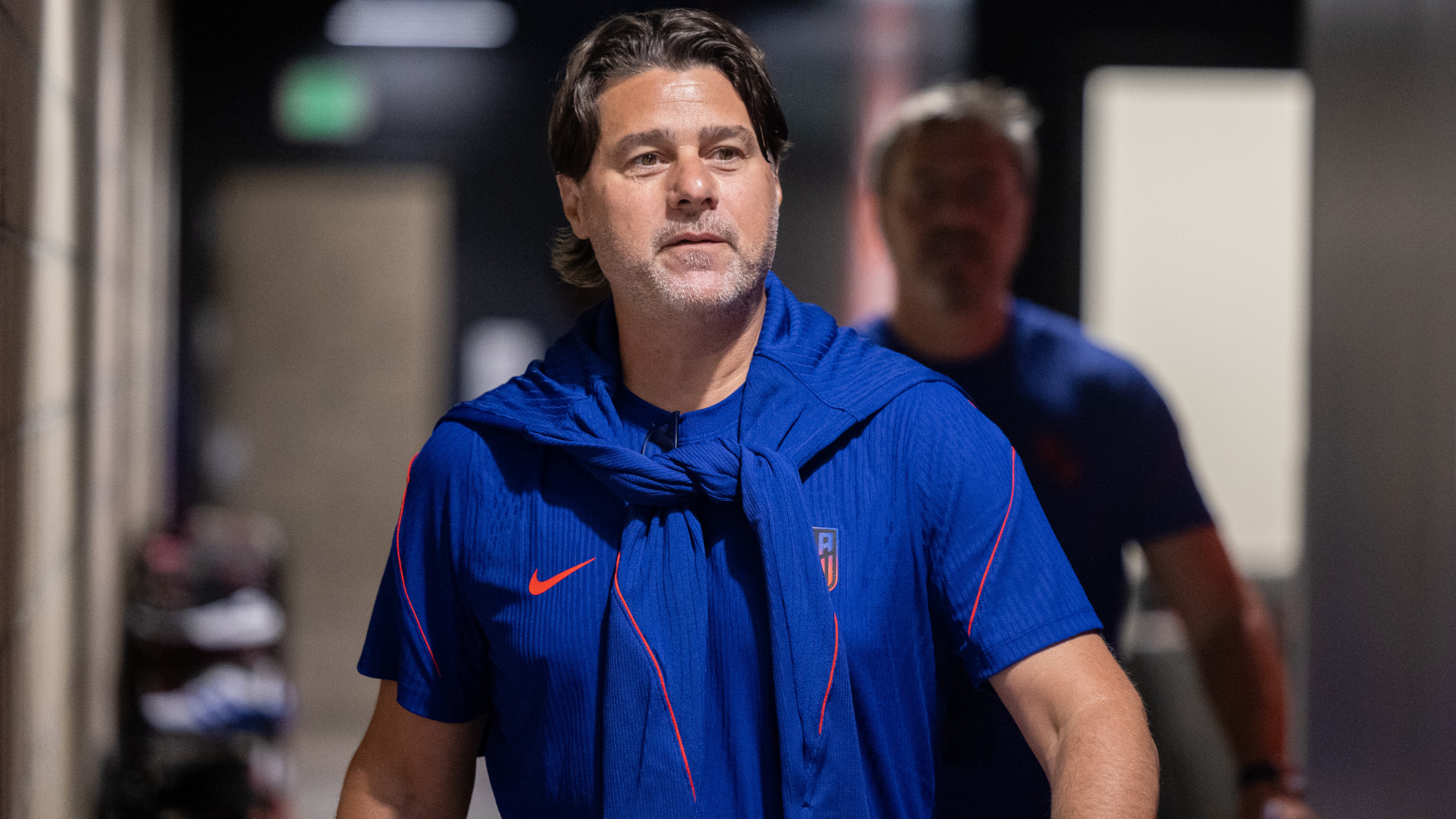
The United States men's national team recorded their most significant result under Mauricio Pochettino on Sunday, beating Senegal 3-2 in a pre-World Cup friendly that revealed both the squad's potential and the work still ahead. Christian Pulisic ended a five-month scoring drought for club and country, netting his first international goal since November 2024 as the Americans built valuable momentum ahead of the 2026 tournament on home soil.
The result offered the clearest indication yet that Pochettino's tactical framework is taking hold. The Argentine coach, appointed in late 2024, has faced questions about whether his methods—refined across top European clubs—could translate to an international setup with limited training time and a roster drawn from across several leagues. Sunday's performance provided a partial answer, though the defensive lapses that allowed Senegal back into the contest at 2-1 and again at 3-2 will require attention before the World Cup proper.
Pulisic's Return to Form
The headline act belonged to Pulisic. The AC Milan attacker, who had gone five months without a goal across all competitions, delivered what ESPN rated as an 8/10 performance. His strike on the stroke of halftime—coming after Senegal had equalised following Weston McKennie's opener—shifted the match's momentum decisively toward the Americans and provided the decisive breakthrough.
Pulisic's dry spell had become a talking point in American soccer circles. A player expected to serve as the team's creative fulcrum could not afford prolonged goal droughts ahead of a World Cup on home soil where expectations have grown. That pressure appears to have lifted. His movement off the ball created space for teammates, and his willingness to take on defenders in the final third gave the US attack a dimension that had been missing in earlier tuneup matches. Whether the club form recovers in tandem remains to be seen—Milan's season has stuttered—but for Pochettino, the international contribution is what matters most right now.
Defensive Questions Remain
The scoreline papered over vulnerabilities that Senegal exploited with regularity. The Africans, themselves preparing for a World Cup appearance, equalised twice after the United States had taken leads. The first defensive lapse came from a set piece; the second, more concerning, came from open play as the American backline failed to deal with a simple cross. Goalkeeping decisions under pressure also warranted scrutiny.
For a team hosting the World Cup, such fragility invites scrutiny. The United States have not reached a World Cup semi-final since 2002, and the current squad—younger and more internationally experienced than previous iterations—has designs on at least matching that benchmark. Sunday's performance suggested they have the firepower to compete with any team on their day. Whether they have the defensive organisation to survive tournament football against high-quality opposition remains genuinely uncertain.
Pochettino will have at least one more friendly before naming his final World Cup squad. The margin for error in those remaining preparation matches is shrinking. The Argentine has been candid about the project's long-term nature, but the pressure of a home World Cup will not wait for philosophical development.
What the Result Does Not Tell Us
Friendly results are imperfect predictors of tournament performance. The intensity, the stakes, and the squad management realities of a World Cup differ substantially from an international date in May where both sides have one eye on fitness and the other on experimentation. Senegal, for their part, were missing several key figures through injury management—a point that contextualises the result's implications.
The structural question for Pochettino is whether his preferred XI can sustain performance across multiple high-pressure matches in quick succession. The friendly format allows rotation and adaptation; the World Cup does not. Sunday's performance showed what the best XI can produce when Pulisic is influential and McKennie is active in the midfield. What it could not show is how the squad responds when tired, when key players are unavailable, or when the tie demands something from the bench.
There is also the matter of how the tactical system functions against teams that do not offer Senegal's approach. The Africans favour a high press and aggressive wide play—styles that happen to suit certain American players' strengths. Deeper, more conservative opposition may expose different issues.
Stakes and Forward View
The 2026 World Cup represents a generational opportunity for American soccer. Hosting rights have generated investment in infrastructure, talent development, and fan engagement that would not exist otherwise. The squad currently in Pochettino's hands is the most internationally mobile the United States has ever assembled, with players scattered across Serie A, the Premier League, La Liga, and Major League Soccer.
Pulisic's performance on Sunday matters because it suggests the team's best players are finding form at the right moment. It matters also because it gives Pochettino a reference point—a match where his decisions produced a result against quality opposition—that he can point to when doubts arise during the tournament itself. The World Cup is as much about management as it is about selection, and a performance like Sunday's builds credit in the bank.
The next friendly will offer the final tuneup before Pochettino trims his squad to the required size. How he uses that match—the balance between giving minutes to those on the bubble and preserving his strongest XI—will be telling. Sunday showed the ceiling. The next match will reveal whether the floor is rising too.
This publication covered the friendly through the lens of what it means for the United States' World Cup prospects, as opposed to the result-first framing common across wire services.