Pulisic Ends Scoring Drought as USMNT Edge Senegal in World Cup Tune-Up
Christian Pulisic's first international goal since November 2024 gave the USMNT a 3-2 win over Senegal on Sunday, but the performance exposed familiar defensive fragilities that will concern Gregg Berhalter with the World Cup on the horizon.
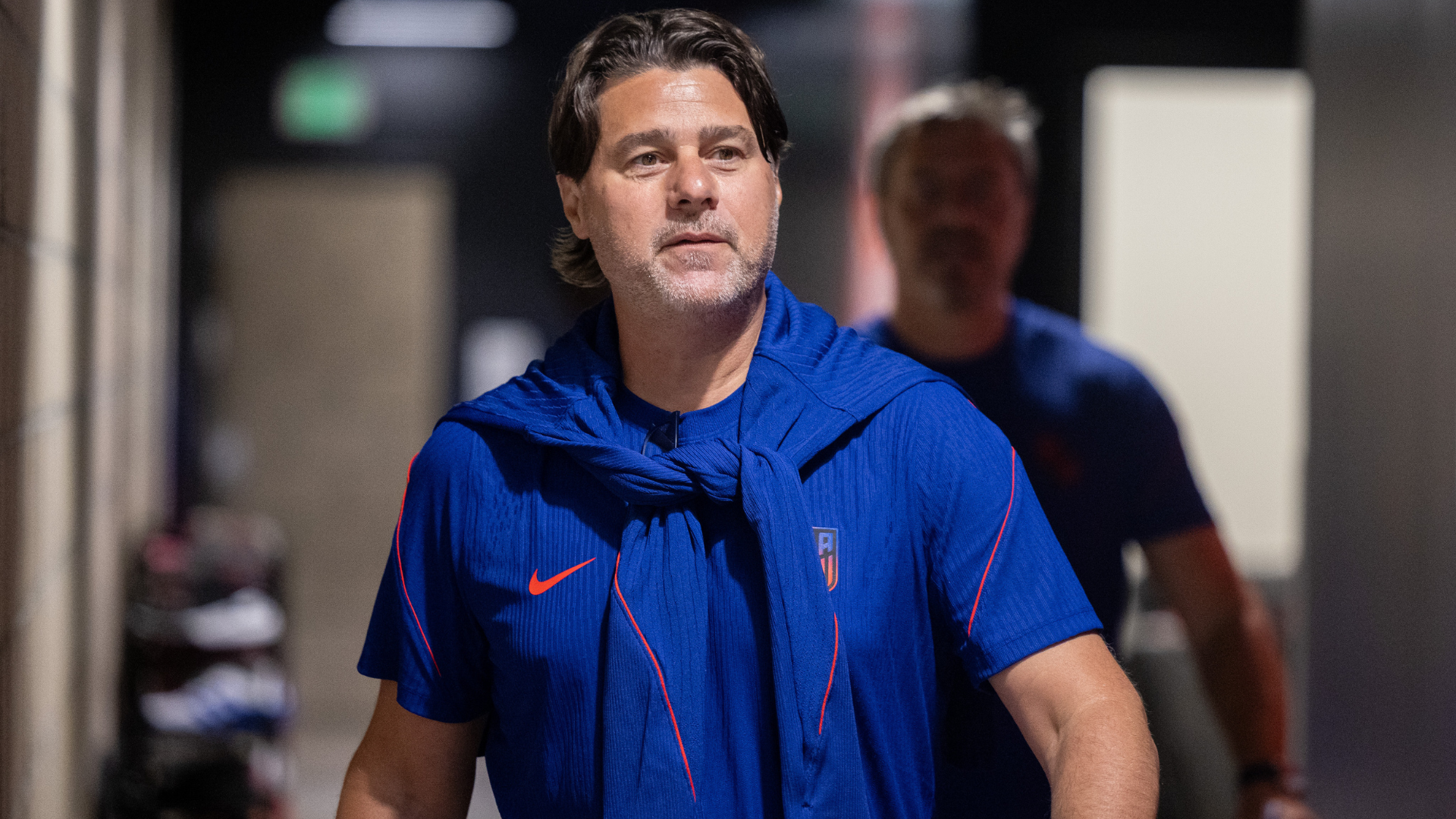
Christian Pulisic converted a 34th-minute penalty to end a five-month scoring drought for club and country as the United States beat Senegal 3-2 in East Rutherford, New Jersey, on 31 May 2026. The result gives Gregg Berhalter's side valuable momentum before the World Cup, but the manner of the victory offered a reminder of the structural problems that have plagued the USMNT throughout this cycle.
Pulisic's goal — his first international strike since November 2024 — arrived from the spot after Senegal substitute Boubakary Soumare handled inside the box. The Milan attacker, who also endured a prolonged club-level drought, showed composure under pressure to send goalkeeper Edouard Mendy the wrong way. The 3-2 scoreline, however, flatters a USMNT defence that was opened up repeatedly by a Senegal side who came within a few minutes of forcing a draw.
Pulisic's drought ends, but questions linger
The pressure on Pulisic entering this match was substantial. Five months without a goal for club or country is a long stretch for any elite attacker, and the scrutiny in the American sports media had intensified with each passing week. That the drought ended with a penalty — the most clinical of finish types — will satisfy neither those who want to see Pulisic creating and converting open-play chances nor those who worry that his confidence remains fragile at key moments.
What is beyond dispute is his importance to this team. Pulisic was named man of the match and rated 8/10 by ESPN's match report, which described him as "USMNT's best player on the pitch" throughout the encounter. Whether his revival is sustainable at the highest level of international football will be the central question of the coming weeks.
Robinson rises as an unlikely creator
If Pulisic provided the headline, Antonee Robinson offered the most encouraging subplot. The Fulham full-back, already established as one of the USMNT's most consistent performers, delivered another authoritative performance and continued to evolve into a genuine attacking threat from the left flank. His deliveries into the box caused Senegal problems throughout, and his growing comfort in advanced positions gives Berhalter a tactical option that did not exist in previous cycles.
Robinson's development matters because the USMNT's creative burden has historically fallen too heavily on Pulisic and, when fit, Giovanni Reyna. A Robinson capable of contributing assists from deep makes the attack less predictable and reduces the pressure on individual players to produce moments of magic.
Senegal expose defensive frailties
The result should not obscure what was, at times, a troubling defensive display. Senegal carved open the American backline on several occasions, and the visiting side's two goals — coming in the 75th and 90th minutes — arrived when the match appeared to have been settled. The first came after a communication breakdown between defender and goalkeeper; the second was a well-worked team goal that exposed a static defensive shape.
Berhalter has spoken repeatedly about the need for defensive solidity, but the structural issues that surfaced in earlier qualifiers and friendlies have not fully resolved. At the World Cup, opponents will be sharper than Senegal in converting such opportunities into goals. The staff writer perspective on this is blunt: a 3-2 win against a side that will not feature at the World Cup is not evidence that the defence is tournament-ready.
The structural test ahead
What Sunday's match confirmed is that the USMNT possesses genuine attacking quality. Reyna, when deployed in a free role behind the forwards, showed the vision and technique that made him one of the most talked-about young players in European football before injuries interrupted his career. Yunus Musah's ability to carry the ball through midfield and break lines gives the side a dimension that was absent in more cautious Berhalter lineups of the past.
The problem is that these attacking strengths exist in tension with a defensive structure that remains a work in progress. The United States are genuine contenders to advance deep into the World Cup draw if the attacking unit fires and the midfield controls tempo. If not, the same fragilities that cost them in earlier tournaments will resurface.
Pulisic's goal changes the equation in one important respect: a confident, scoring Pulisic transforms the forward line into something opponents must account for rather than simply neutralise. Whether the rest of the side can build around that confidence will determine how far this USMNT generation can go. The signs are more promising than they were a week ago. They are not yet conclusive.