SpaceX wins $6.45B in Space Force deals as government contracts anchor anticipated IPO
The US Space Force awarded SpaceX $4.6 billion to assess airborne threats on 29 May 2026, a day after the company revealed in its IPO filing that government work already accounts for roughly a fifth of its revenue.
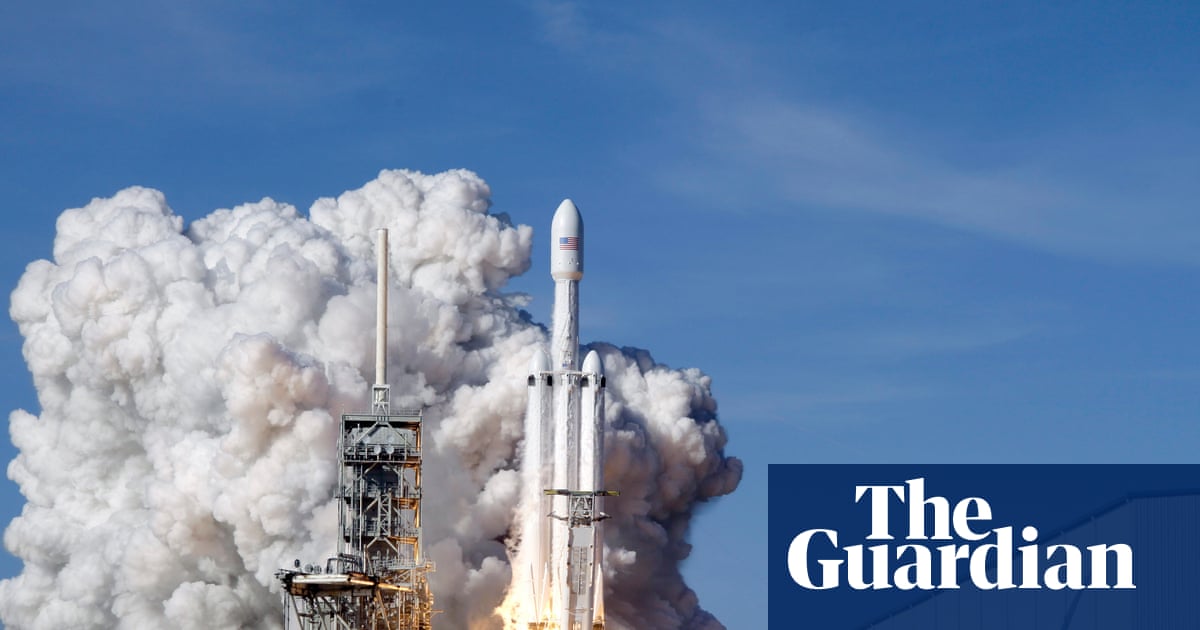
SpaceX received $6.45 billion in US Space Force contracts in the days leading up to its anticipated initial public offering, newly released procurement records show. The largest single award — worth $4.6 billion — tasked SpaceX with assessing airborne threats to US orbital architecture, according to a filing posted on 29 May 2026 by the Defence Department contract website. That award, and at least one additional contract bringing the total to approximately $6.45 billion, arrives as SpaceX prepares to go public after years as a privately held company with an estimated valuation exceeding $300 billion.
The timing is not incidental. SpaceX's IPO prospectus, also filed in late May 2026, disclosed that government contracts generated approximately one-fifth of the company's total 2025 revenue. That figure, if accurate, places US national security procurement at the structural centre of SpaceX's financial profile — a dependency that differentiates the company from almost any other major technology issuer coming to market in recent years.
The size of the government portfolio
The $4.6 billion airborne threat assessment contract is one of the largest single awards made by the Space Force in this budget cycle. Defence Department records show SpaceX has been expanding its presence in orbital monitoring, satellite communications, and national security launch services over the past three years. The airborne threats contract extends that portfolio into sensor analysis and threat identification — functions that typically reside with established defence primes such as Lockheed Martin, Northrop Grumman, and Raytheon Technologies.
The $6.45 billion aggregate figure represents the total value of active Space Force contracts held by SpaceX as of late May 2026, though the exact split between the $4.6 billion award and the remaining contracts was not fully itemised in the public filings reviewed by this publication. What is clear is that SpaceX's government backlog has grown substantially since 2022, when it first received a designation as a preferred launch provider for national security payloads.
The IPO context
Going public at a moment when government contracts constitute roughly twenty percent of revenue introduces a specific set of investor considerations. Defence procurement is cyclical, subject to congressional appropriation timelines, and sensitive to political conditions that have no parallel in commercial launch markets. SpaceX's commercial business — Starlink broadband satellites, commercial crew missions, Starship development — operates on different commercial logic and different risk profiles.
The prospectus does not break out government contract values by customer or programme. What it confirms is that the relationship with the US defence establishment has become material to SpaceX's revenue base in a way that distinguishes it from peers in the private space sector. Investors evaluating the IPO will need to weigh the stability of that revenue stream against the political and procurement risks that accompany any major defence contractor.
SpaceX has not disclosed a target IPO date or price range. The company has reportedly engaged banks including Goldman Sachs, Morgan Stanley, and JPMorgan Chase as lead underwriters, according to filings reviewed by wire services.
Competition and the defence-industrial base
The contracts place SpaceX in direct competition with traditional defence primes for work that has historically been the exclusive territory of the aerospace establishment. Lockheed Martin and Northrop Grumman have both held significant space situational awareness and threat assessment contracts with the Space Force; the award to SpaceX disrupts that arrangement at a structural level.
The defence-industrial base has been a subject of sustained policy concern in Washington since 2022, with both the Biden and Trump administrations pledging to expand the number of qualified providers for national security space services. SpaceX's progression from a startup with a NASA commercial cargo contract to the single largest recipient of Space Force procurement dollars in the non-traditional category reflects that policy intent — but also raises questions about concentration risk in a critical domain.
SpaceX has previously faced scrutiny over its involvement in classified national security work. The company has declined to publicly discuss the technical scope of its most sensitive defence programmes, citing classification restrictions. That opacity will likely remain a feature of the investor relationship as well: the prospectus notes that certain government contracts are subject to confidentiality provisions that will limit the level of disclosure available to public shareholders.
What the contracts signal
The size and timing of the awards suggest the Pentagon regards SpaceX as a strategic asset rather than simply a cost-effective launch provider. The airborne threat assessment work involves analysis of missile trajectories, rival satellite capabilities, and debris environments — intelligence functions that sit at the intersection of commercial satellite operations and national security.
Whether that strategic designation translates into a reliable revenue base depends on several factors that the prospectus does not resolve: the outcome of the Space Force's next budget cycle, the degree to which Congress continues to fund advanced space capabilities at current levels, and the extent to which competing providers successfully challenge SpaceX's technical approach in future procurement rounds. The defence market has a long history of incumbents recovering ground lost to disruptors.
SpaceX is expected to list on the New York Stock Exchange. The contracts awarded in May 2026 will feature in the roadshow presentations that precede the offering — presented as evidence of a durable government relationship that commercial peers cannot replicate.
This publication's coverage of the IPO filing prioritised the structural implications of the defence contract disclosure over the commercial launch segment, which is addressed in separate reporting.
Wire provenance
This editorial synthesis draws on the following public wire/social posts:
- https://t.me/CryptoBriefing/28471
- https://x.com/unusual_whales/status/1954471829304877257