Switzerland's Quiet Confidence: Inside the Making of a World Cup Dark Horse
As the 2026 World Cup approaches, Switzerland enters as a genuine dark horse contender—long in odds but rich in the kind of defensive organisation and tournament nous that upsets the established order.
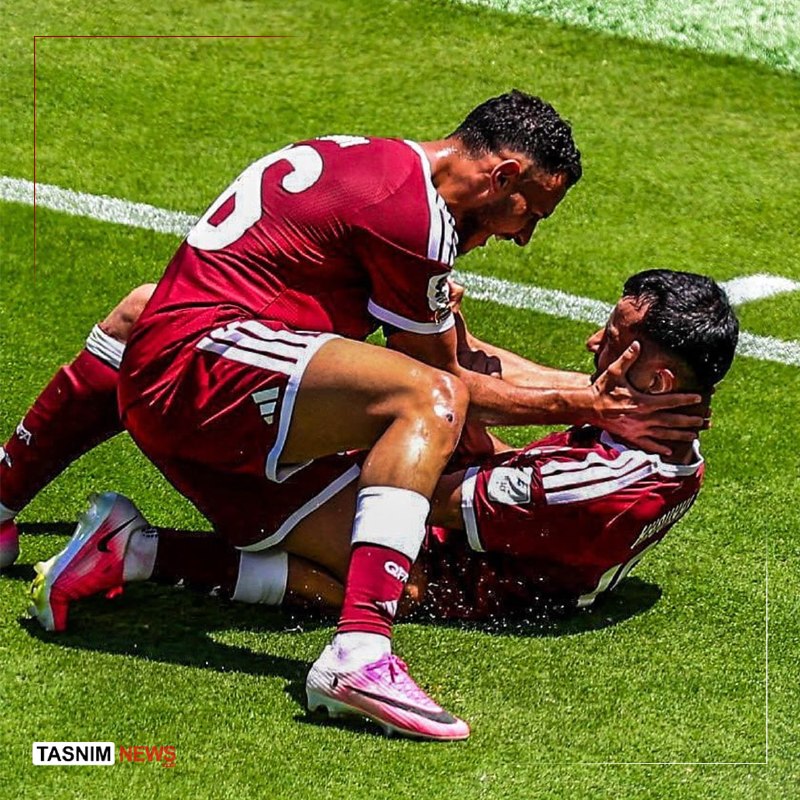
When the World Cup draw placed Switzerland in a group that promised pragmatism over spectacle, few outside Basel blinked. The national team—known for its disciplined backline, its Champions League-tested midfielders, and its refusal to beat itself—has rarely commanded the imagination of international football's power brokers. Yet heading into the 2026 tournament, the evidence suggests something has shifted. Switzerland is not merely present. Switzerland is dangerous.
The Swiss finished their Euro 2024 qualifying campaign with the kind of record that escapes notice precisely because it lacks the drama of larger nations. Unbeaten in group play. Defeated only once in their final 10 matches across all competitions. The numbers whisper where others shout. That quiet efficiency, rooted in tactical cohesion and a generational blend of experience and emerging talent, has caught the attention of those who study the tournament not for narratives but for structural advantages.
What separates a dark horse from a footnote is not luck—it is preparation. Switzerland has it.
The Case for Swiss Upside
The Switzerland roster entering 2026 carries a peculiar strength: it is simultaneously underrated and deeply experienced at the highest club levels. Manuel Akanji, now established as a Premier League winner with Manchester City, anchors a defence that has conceded fewer goals in competitive internationals than any side in European qualifying. His partnership with Napoli's Amir Rrahmani provides the kind of central solidity that tournament football rewards. Neither man is flashy. Both are relentless.
The midfield offers complementary profiles. Granit Xhaka,尽管年过三十,依然是那支在高压下不慌不忙的球队的灵魂人物。Yann Sommer, among the most consistent goalkeepers in European football over the past three seasons, provides a reliable last line that rarely lets a match slip through error.
The attacking third is where questions linger—but questions are not dismissals. The Swiss have lacked a 20-goal-a-season talisman for much of their recent history. What they possess instead is flexibility. Multiple players capable of contributing, a system that does not require a single star to function, and a tactical intelligence that allows them to adapt mid-match. Against sides that expect to dominate possession, Switzerland is comfortable ceding the ball and striking on transitions. Against those who sit deep, they have the patience to probe.
The Skeptics' Case
It would be reckless to draft Switzerland into the semifinals without acknowledging the structural limits that have historically contained them. At Euro 2020, they reached the quarter-finals for the first time in their history—a genuine achievement—but required penalties to eliminate France and were subsequently dismantled by Spain. At the 2022 World Cup in Qatar, they exited at the group stage after a defeat to Portugal that exposed their ceiling against elite attacking sides.
The counter-argument is not without weight. Switzerland has not reached a World Cup semi-final since 1954. The roster, while talented, lacks the individual genius that decides tight matches against top-tier opposition. In a tournament that rewards moments of brilliance—free kicks, individual dribbling, sudden strikes of inspiration—the Swiss model depends on collective discipline that, under enough pressure, can fracture.
There is also the question of the draw. If Switzerland finds itself facing a team with the attacking firepower to sustain pressure for 90 minutes, the margin for error narrows considerably. The defence is strong. It is not imperious.
Tournament Football and the Myth of the Favourite
The World Cup has a way of exposing the gap between reputation and performance. In 2020, France entered as heavy favourites and fell in the round of 16. In 2022, Argentina survived a group stage loss to reach the final. Tournament football rewards structure, mentality, and the ability to absorb adversity—not the depth of a squad on paper.
Switzerland's preparation has been methodical. The national federation, working with a coaching staff that has remained largely stable, has invested in sports science and opposition analysis to a degree that outpaces most of their competitors in their likely group and knockout range. They arrive not as a collection of individuals hoping for a good week, but as a unit with clear roles and rehearsed responses to in-game scenarios.
This is not romantic football. It is not the kind of play that fills highlight reels or dominates the discourse in the weeks before the tournament. But it is the kind of football that wins knockout matches when everything is on the line.
The Road Ahead
The stakes are concrete. A deep run—for the sake of argument, a semi-final appearance—would reshape how Swiss football is perceived domestically and internationally for a generation. It would validate an investment in youth development that has produced a cohort of players capable of competing at the highest club level. It would provide the national team with a psychological framework that has historically been missing: the belief that they belong among Europe's elite, not just among its most organised.
The alternative is equally instructive. Another quarter-final exit, another group-stage disappearance, would prompt the inevitable questions about whether this generation has maxed out its ceiling. The talent is real. The question is whether it can be deployed in a way that transcends the sum of its parts.
Switzerland will not win the World Cup in the way Brazil wins it—with joy, with spectacle, with the world's attention by default. They might win it the harder way: with discipline, with intelligence, and with the kind of quiet confidence that arrives when a team knows exactly what it is.
The question for the rest of international football is simple: are they paying attention?
This desk notes that while the wire focused on Swiss odds and player profiles, the deeper story is one of institutional patience—a national federation that has resisted the temptation to chase trends in favour of building something durable.