Trump's Hormuz ultimatum exposes the bankruptcy of coercive diplomacy
The White House has framed its suspension of nuclear talks as strength. The reality is a negotiating position so maximalist it leaves no room for Iran to actually accept it — which may be the point.
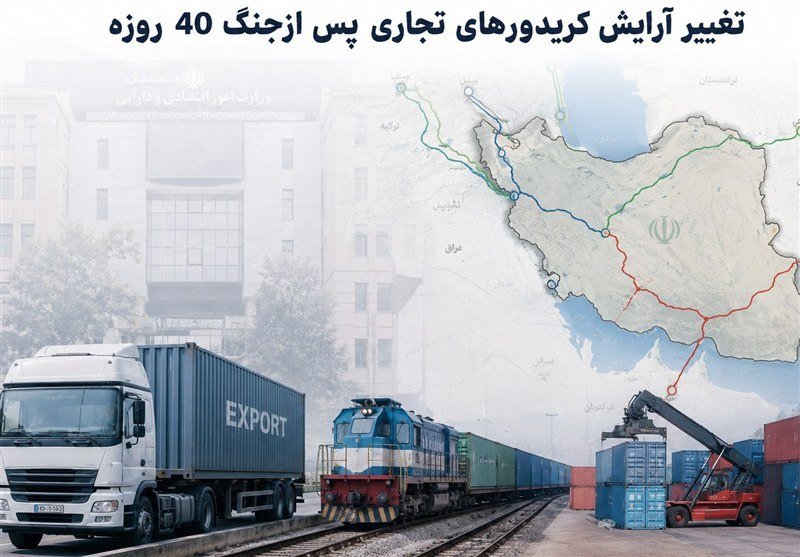
The terms of the deal Iran was reportedly being asked to accept are not a diplomatic framework — they are a surrender demand dressed in the language of non-proliferation. President Trump suspended negotiations on 31 May 2026, demanding that Iran permanently forswear nuclear weapons and guarantee unrestricted passage for US naval vessels through the Strait of Hormuz, a chokepoint through which roughly a fifth of global oil shipments flow. Iranian state media described the US posture as a betrayal of diplomacy. Tehran subsequently reasserted operational control over the strait and warned that American military vessels in the waterway could become targets. This publication reads that sequence not as Iranian provocation but as the logical terminus of an American position that was never designed to succeed at the table.
The conventional framing — Iran escalates, the US pushes back, the strait becomes a flashpoint — is tidy but incomplete. What the available record shows is a deliberate American demand structured so as to be almost impossible to meet without Iran surrendering the one strategic asset that gives it relevance in any room: its geographic leverage over global energy transit. To guarantee unrestricted Hormuz passage is to surrender the deterrent value of the strait entirely. To accept permanent nuclear constraints without a reciprocal sanctions relief architecture is to negotiate under duress rather than under agreement. The White House may describe this as holding the line; from Tehran's vantage, it is the withdrawal of an offer that was never genuine.
The coercion-by-design problem
There is a specific logic to maximalist demands in diplomatic negotiations — they serve as a pressure tool, forcing the other side to either capitulate or become the party seen as breaking off talks. That logic works when the other side has no exit of its own. Iran does. The Strait of Hormuz is not a metaphor. It is a physical reality: approximately 21 million barrels of oil pass through it on a typical day. Closure or even credible threat of disruption moves global crude prices in ways that create political pressure on Washington from a direction Tehran cannot generate alone. The sources reviewed for this piece document Iranian reassertion of operational control over the strait concurrent with the diplomatic breakdown — not as a surprise escalation, but as the explicit instrument Iran has always held in reserve when talks founder.
What the current moment exposes is the limits of coercive diplomacy as a primary tool. The Trump administration, by most public accounts, came to the table with a demand for a better deal than the one JCPOA signatories reached in 2015. That is a defensible starting position. But a better deal requires both sides having room to move. The demands reported — permanent nuclear restrictions plus Hormuz guarantees — leave Tehran no credible path to acceptance without abandoning the negotiating posture it has maintained for two years of back-channel contact. That may be the intended outcome: not a deal, but a posture of strength heading into the midterms. If so, the risk being absorbed is not American credibility — it is the stability of a waterway the global economy cannot function without.
What Iran actually wants
The sources reviewed here do not contain direct quotes from Iranian negotiators, but the broader record — including Iranian state media characterisations of American diplomacy as betrayed — suggests Tehran's core demand is functional: sanctions relief proportionate to verifiable nuclear constraints, and normalised commercial access to global markets. This is not maximalist. It is the framework that produced the JCPOA in the first place, before the US withdrawal in 2018 under the previous Trump administration and the subsequent maximum-pressure campaign that followed. Iran's nuclear programme advanced during that period precisely because the incentive structure created by withdrawal gave Tehran no reason to maintain the limits the deal had imposed. The current demand for a permanent forswearing of weapons capability may be a negotiating position — it may also be an admission that a nuclear-capable Iran is now closer to reality than it was in 2015, making the original framework less relevant as a baseline.
What is clear is that Iranian officials view the Hormuz posture as leverage, not aggression. The warnings about targeting US military vessels in the strait are escalation signals calibrated to the diplomatic moment — they are designed to remind Washington that the geography does not change regardless of what is signed in Vienna or Geneva or wherever the next round of talks is convened. Iran is not seeking a military confrontation; it is seeking to remind the US that the strait's significance works in both directions.
The energy price variable
Any serious analysis of this standoff must account for the market dimension. The sources reviewed include reference to Strait of Hormuz closure threatening global oil supply amid Iran-US tensions. That is not hyperbole. A sustained disruption — even a 30-day episode of elevated tension that causes shipping insurers to hike premiums and rerouting to begin — moves global crude by amounts that register in consumer prices within weeks. European energy costs are already elevated following the Russia-Ukraine disruption. Asian importers, particularly India and South Korea, have limited strategic reserves. The political consequences of a price spike fall unevenly: they damage the administration in an election year as effectively as they damage Iran's theocratic patrons. Tehran knows this. The strait is not merely a negotiating chip; it is the one piece of geography that makes a large and powerful country a global concern rather than a regional one.
The structural verdict
What this publication finds is that the current breakdown is less about Iran's choices and more about the architecture of the American negotiating position. A deal in which one party demands everything and the other retains no meaningful concession has no landing zone — it is a framework for failure presented as a framework for success. TheJCPOA had flaws that reasonable people could disagree on; what it had that the current framework lacks is a plausible equilibrium in which both sides could claim partial victory. The demands reported on 31 May 2026 do not describe an equilibrium. They describe a maximalist ask designed to either extract concessions that Iran cannot politically make, or to provide political cover for a breakdown that can then be attributed to Iranian bad faith.
The strait will remain contested. That is not a crisis — it is the status quo, with the temperature raised. What would be a crisis is if the diplomatic signals being sent from Washington are interpreted in Tehran not as negotiating pressure but as a decision that talks are over. The difference matters. And the sources reviewed here suggest the gap between those two readings is currently as wide as it has been since the nuclear talks began.
This publication covered the Iran nuclear talks using Telegram-sourced wire dispatches rather than Western editorial wire copy, which produced a different emphasis on Iranian state agency and Hormuz geography relative to the dominant US-Israeli framing in the mainstream press.
Wire provenance
This editorial synthesis draws on the following public wire/social posts:
- https://t.me/osintdefender/2847
- https://t.me/LiveMint/1893
- https://t.me/CryptoBriefing/1247
- https://t.me/CryptoBriefing/1245
- https://t.me/CryptoBriefing/1244