Ukraine Expands Drone Reach in Black Sea After Strike on Russian Artillery Boat
Ukrainian Geran-class maritime drones struck a Russian artillery boat in the Black Sea on 31 May 2026, in what analysts describe as a significant extension of Kyiv's littoral strike envelope against Russian naval assets.
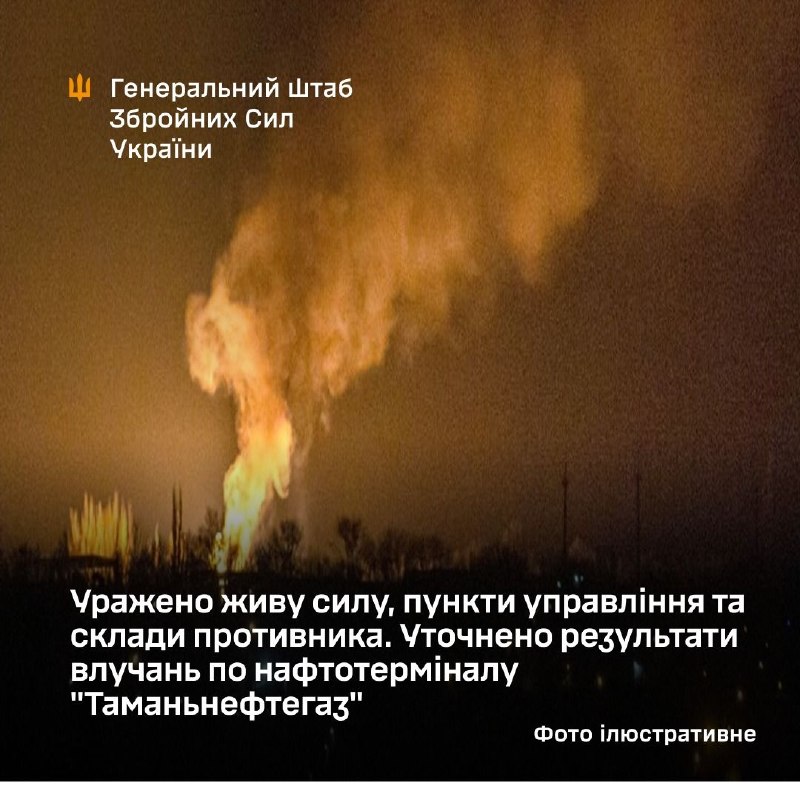
Ukrainian maritime drones struck a Russian artillery boat in the Black Sea on 31 May 2026, according to Ukrainian public accounts and Russian military commentary. The strike, attributed to Geran-class unmanned surface vessels, marked another entry in Kyiv's sustained campaign to contest Russian naval dominance in the northwestern Black Sea — an area that has become a testing ground for drone-centric littoral warfare.
The incident represents the latest expansion of Ukraine's unmanned strike range, a capability that has steadily eroded Moscow's ability to operate freely in waters close to Ukrainian territory. Where Russian naval vessels once operated with relative impunity along the Crimean coast, Ukrainian drones have progressively extended the operational envelope eastward and northward into areas previously considered secure.
The Strike: What the Accounts Show
According to Ukrainian public channels, the strike occurred after Geran drones closed on a Russian artillery boat operating in the Black Sea. The boats in question — typically small, fast-moving naval platforms equipped with artillery mounts — represent a class of vessel the Russian Navy has used to conduct fire-support operations near the coastline and to interdict Ukrainian maritime activity.
Russian military bloggers, including the prominent Rybar channel, examined the strike mechanics, asking how the Ukrainian naval forces managed to reach and hit the target. The discussion reflected a degree of concern within Russian-adjacent sources about the growing precision and range of Ukrainian maritime drones. Ukrainian operators appear to have achieved better targeting data and communications relay capability, allowing them to prosecute moving targets at distances previously considered impractical for the Geran platform.
Ukrainian maritime drones have evolved significantly since their initial deployments. Early models were largely limited to static or semi-stationary targets; current variants demonstrate improved sea-keeping, longer range, and more sophisticated navigation — changes that reflect both technical refinement and operational learning accumulated over years of sustained employment.
The Russian Position: Contested Waters
Russian state-adjacent sources have offered varying accounts of the strike's impact. Some posts acknowledged the hit while emphasizing that Russian naval operations in the Black Sea continue despite Ukrainian drone activity. Others framed the strikes as evidence of Ukrainian escalation, arguing that Kyiv is attempting to expand the geographic scope of maritime conflict beyond established frontlines.
The disagreement in Russian-language commentary itself reveals something about the operational reality: Ukrainian drones are reaching targets in areas where Russian naval command believed it had adequate air defence and electronic warfare coverage. That Geran-class drones can close on and hit small, relatively fast-moving artillery boats suggests improvements in either drone endurance, targeting, or both — a development that does not appear to have been fully anticipated by Russian naval planners.
For Moscow, the implications are structural. The Black Sea Fleet has already lost several vessels since 2022, including larger warships that required more substantial infrastructure to operate. Artillery boats represent a different category — smaller, more expendable, but critical for the kind of inshore fire support that Russian forces have relied upon along occupied stretches of the southern Ukrainian coastline. If this class of vessel becomes untenable in exposed positions, Russian ground forces in those areas lose a key fire-support node.
The Structural Shift in Black Sea Warfare
What is happening in the Black Sea is not simply a series of individual strikes. It is a slow-motion recalibration of the naval balance in Ukraine's favor, accomplished not through expensive shipbuilding programs but through industrial-scale production of unmanned systems and iterative operational learning.
Ukrainian maritime drones have progressively moved from defensive coastal denial to active offensive operations against Russian assets. The Geran platform, originally conceived as a coastal defence system, has been pushed further from shore with each generation. The strike on 31 May suggests that this extension has reached the point where Russian artillery boats — platforms meant to operate relatively close to shore — can no longer assume sanctuary.
This pattern mirrors developments on land, where Ukrainian FPV drones and longer-range unmanned systems have progressively closed the gap between the frontlines and Russian rear areas. The difference at sea is that the water itself creates natural corridors. The Black Sea is largely enclosed; Russian vessels have limited routes, and the approaches to occupied Crimea are increasingly contested.
What Comes Next
Kyiv has signaled consistently that it intends to maintain pressure on Russian naval assets across the Black Sea. The strike on the artillery boat fits a documented pattern rather than representing a departure from it. The question now is whether Russian naval command will adjust operational patterns — pulling vessels further from contested waters — or attempt to reinforce air defence and electronic warfare coverage around smaller platforms.
The first option carries significant costs for Russian ground forces, which have come to rely on artillery boat fire support along occupied coastal territory. The second requires resources that the Russian military has struggled to deploy at scale, given simultaneous demands on air defence systems across the wider conflict zone.
Neither option resolves the underlying problem: Ukrainian drone production continues, operators continue to accumulate experience, and the technology is not standing still. The strike on 31 May is unlikely to be the last time Russian naval assets find themselves within reach of systems Kyiv did not possess four years ago.
This publication's reporting on Ukrainian maritime operations draws on Ukrainian public channels and Russian military commentary, with the latter cited as counter-claim material. Monexus continues to monitor independent confirmation of strike details as additional reporting becomes available.
Wire provenance
This editorial synthesis draws on the following public wire/social posts:
- https://t.me/rybar_in_english/18427
- https://t.me/rybar/19427