Yankees' Historic Barrage Meets A's Replay Fiasco in Oakland: Baseball's Two-Speed Weekend
The Bronx Bombers poured on an unprecedented offensive display while Oakland's front office demanded accountability from the league over a critical ABS malfunction that may have cost them in a separate game.
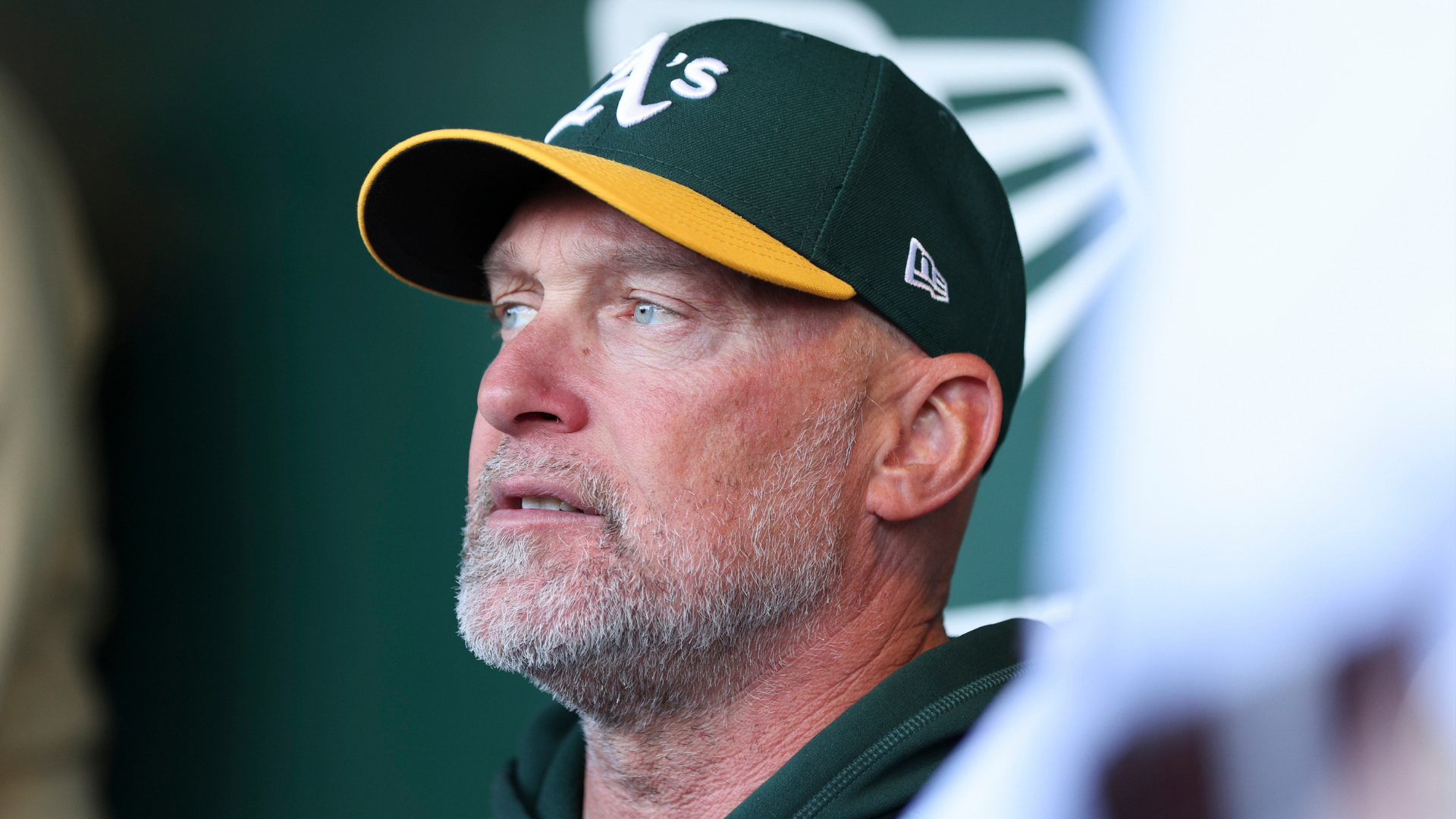
The New York Yankees rewrote a slice of franchise history on Sunday, posting a 13-run inning against the Oakland Athletics for the first time in nearly 21 years. By the time the third inning ended, 12 consecutive Yankees had reached base safely against an Oakland pitching staff that had no answer for the onslaught. It was the kind of afternoon that makes highlight reels and erases the memory of quieter days. But the same weekend delivered something far more troubling for the A's organization: an Automated Ball-Strike system failure that has left the club seeking answers directly from Major League Baseball.
The combination of events — one a celebration of the game's enduring capacity for the spectacular, the other a warning about the league's growing reliance on technology that still cannot guarantee its own reliability — underscores a tension running through modern baseball. The sport celebrates offensive explosions as proof of its timeless appeal while simultaneously grappling with automated systems that, when they malfunction, can alter outcomes in ways no hitting display ever could.
The Inning That Wouldn't End
The Yankees' 13-run third frame against Oakland on Sunday marked their highest single-inning total in more than two decades. The first 12 batters in that inning reached base safely, a cascading sequence that left the Athletics' pitching staff searching for any combination that might stem the bleeding. The performance added another data point to what has become a notable trend this season: the Yankees ranking among the league's most productive offenses when conditions align. Sunday's output was not merely the product of a weak opponent — it was a demonstration of the kind of sustained, disciplined attack that separates contenders from pretenders over a 162-game schedule.
For the Athletics, the defeat was the culmination of a difficult stretch, but it was not the only outcome from this weekend that will generate discussion in the clubhouse and front office. The 13-run inning will be remembered as a historic anomaly, the kind that gives statisticians something to chew on for years. The A's replay controversy, by contrast, represents a different category of problem entirely.
The Call That Divided a Clubhouse
On Saturday, an Automated Ball-Strike system malfunction resulted in a pitch that was visibly outside the strike zone being upheld as a strike upon review. The A's, recognizing the absurdity of the outcome, requested clarity from Major League Baseball on how such a determination could stand. The incident landed in the headlines not because of any single pitch in isolation, but because of what it revealed about the league's willingness to defend a system even when the evidence on the field contradicts the system's output.
Manager Mark Kotsay's team found itself in the unusual position of having to articulate, publicly, why a technological failure demanded an accounting from the league office. The A's are not a franchise accustomed to drawing national attention for anything other than their long-term rebuilding project, but this weekend delivered them into a different kind of spotlight. The incident raises straightforward questions about accountability: when a system designed to eliminate human error produces a demonstrably wrong result, who bears responsibility, and what recourse exists for the team harmed?
MLB has yet to issue a formal response beyond acknowledging the A's request for clarification. The league's replay review infrastructure has expanded significantly over the past decade, with the ABS representing the latest iteration of automated oversight. But the Saturday incident demonstrated that the technology remains imperfect, and that the protocols governing its use when malfunctions occur are not yet fully developed.
The Broader Technological Bet
The ABS pilot programs and eventual league-wide implementation were marketed as a solution to one of baseball's oldest and most subjective problems: the strike zone. Umpires have called games for over a century, and their judgment on the edges of the zone has always been subject to variation. The argument for automation was not merely that machines are more accurate than humans — they often are — but that consistency across the sport would reduce one of baseball's persistent sources of tension between players, managers, and officiating crews.
What the Oakland incident exposes is the gap between the promise of technological consistency and the reality of a system that can fail in ways its designers did not anticipate. A clear ball called a strike after replay review is not a judgment call in any meaningful sense — it is an error, one that a human umpire would be unlikely to make and unlikely to defend once confronted with video evidence. The question the A's are asking is therefore not really about a single pitch; it is about what it means for the league to entrust outcomes to systems that are not, in fact, infallible.
The baseball world has grown accustomed to the idea that technology and officiating will intersect more frequently as the sport evolves. The ABS represents the most ambitious version of that intersection attempted in any major professional sport. That ambition comes with exposure to a new category of risk: not the bias or inconsistency of human judgment, but the cold malfunction of code and calibration.
Stakes Beyond Oakland
The Yankees will take their historic performance and move forward with the confidence that comes from a 13-run inning, even in a sport where any team can beat any other on any given day. For the A's, the stakes are less straightforward. They are a franchise in transition, working to rebuild while competing in a division that offers little margin for error. An outcome potentially altered by a system malfunction — rather than by the play of the game itself — is precisely the kind of injustice that erodes trust in the competitive process.
What Major League Baseball decides to say in response to Oakland's request will matter beyond this specific incident. The league has invested significant political capital in the ABS rollout, positioning it as a forward-looking improvement to the sport's officiating infrastructure. A failure to address the Saturday malfunction with transparency would suggest that the league is more invested in defending the technology than in protecting the integrity of individual games. That calculus, if it becomes visible to players and fans, carries costs that extend well beyond the A's clubhouse.
The weekend delivered baseball at its extremes: the pure, chaotic joy of an offense clicking on all cylinders, and the cold reminder that the systems built to govern the sport remain works in progress. Both stories deserve the attention they are receiving. Only one of them, however, is likely to generate a formal response from the commissioner's office.