Blood Reagent Shortage Cripples North Rift Hospitals as Kenya's Health Supply Chains Fray
A critical shortage of blood reagents has halted surgeries and chemotherapy at major referral hospitals across Kenya's North Rift Valley, exposing systemic vulnerabilities in the country's medical supply infrastructure.
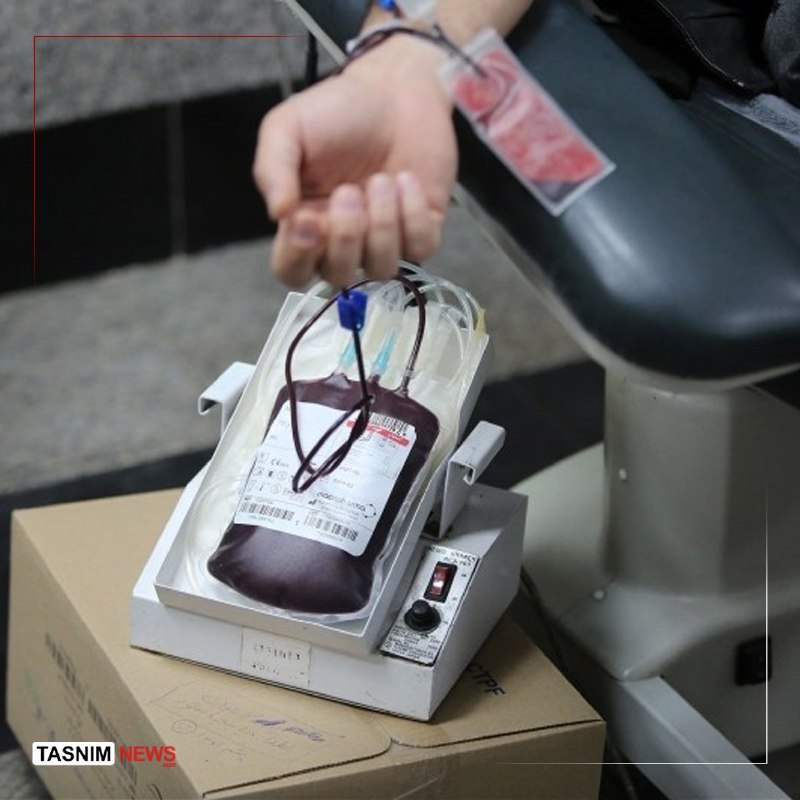
Major referral hospitals across Kenya's North Rift Valley have suspended life-saving surgeries and turned away cancer patients after a shortage of blood reagents rendered diagnostic and transfusion services inoperative, according to a report published by Daily Nation on 1 June 2026.
The paralysis at institutions that serve as the region's primary medical facilities has raised urgent questions about the resilience of Kenya's pharmaceutical and laboratory supply chains. Surgeons who spoke to the publication described cancelling procedures that cannot safely proceed without compatible blood products, while oncology departments reported being unable to administer chemotherapy regimens that depend on blood parameter monitoring. The Daily Nation account, citing hospital administrators and medical staff, described the situation as a crisis that has already cost lives among patients awaiting treatment.
The Immediate Crisis
The North Rift Valley hosts several of Kenya's largest regional referral hospitals, serving a population that extends well beyond the immediate counties of Uasin Gishu, Elgeyo-Marakwet, Nandi, and TRANS Nzoia. These institutions function as the medical backbone for a largely rural population that lacks reliable access to private healthcare and depends on public facilities for complex interventions.
Blood reagents—the chemical compounds used to determine blood types, screen for transfusion-compatible samples, and conduct cross-matching before surgery—are foundational to virtually every operating theatre. Without them, even routine procedures carry unacceptable transfusion risk. Cancer care compounds the problem: chemotherapy regimens routinely suppress blood cell counts, requiring frequent monitoring and, frequently, supportive transfusions that depend on the same diagnostic infrastructure now rendered unavailable.
The shortage appears to have built over several weeks before reaching the point where hospitals could no longer maintain services. Kenyan public hospitals have long operated with narrow margins on consumable supplies, a structural feature that leaves the system vulnerable to any disruption in the procurement pipeline. Sources within the hospital system, as reported by Daily Nation, indicate that reorder cycles have been delayed, with blame attributed variously to budget constraints at the county level and to distribution failures at the national level.
Supply Chain Vulnerabilities
The immediate trigger for the shortage remains contested. County governments in Kenya hold significant responsibility for healthcare financing and procurement under the devolution framework established in 2013, but the national government retains oversight of essential medicines procurement through the Kenya Medical Supplies Authority (KEMSA). The boundary between these responsibilities has been a persistent source of friction, with counties periodically citing delays in national supply allocations while the centre points to procurement failures at the county level.
Kenya's public health supply chain has been under strain for several years. A 2023 audit of KEMSA flagged inefficiencies in procurement processes and inventory management that contributed to stockout frequencies for essential commodities. The authority underwent restructuring following revelations of procurement irregularities during the COVID-19 pandemic, but reforms have progressed unevenly. Blood reagents, which require cold-chain storage and have relatively short shelf lives, present particular logistical challenges that compound the broader systemic weaknesses.
International supply disruptions have also affected medical consumables across Sub-Saharan Africa. Global demand for laboratory reagents surged during and after the pandemic, creating competition for limited manufacturing capacity. Kenya's currency fluctuations against the dollar have increased the cost of imported reagents, squeezing procurement budgets that are denominated in shillings but quoted in foreign currency.
Who Bears the Cost
The consequences of the shortage are not distributed evenly. Patients in the North Rift Valley who require surgical intervention face either delayed procedures—carrying their own health risks—or the prospect of travelling to referral hospitals outside the region, typically in Nairobi, at significant personal cost. For cancer patients, treatment delays can allow disease progression that transforms manageable cases into terminal ones. The patients most affected are those least able to navigate alternative pathways: low-income households, elderly patients, and those caring for dependents who cannot easily arrange extended travel.
Healthcare workers at the affected facilities describe a morale toll that compounds the clinical impact. Medical staff who trained to provide care finding themselves unable to do so because of supply failures represent a form of institutional failure that extends beyond the immediate patients. Kenya has invested substantially in medical training capacity, producing clinicians who are then constrained by systemic infrastructure weaknesses they cannot address individually.
The county governments responsible for health service delivery face difficult budgetary trade-offs. The North Rift counties are not wealthy by Kenyan standards, and healthcare competes with education, infrastructure, and agricultural extension services for limited county revenues. Allocating emergency funds to procure reagents from private suppliers, at premium prices, would require reprioritisation that affects other service areas.
Structural Roots and the Path Forward
The blood reagent shortage is symptomatic of a recurring pattern in Kenya's public health system: the system's ability to deliver care is repeatedly compromised by supply chain failures that are foreseeable and, in most cases, preventable with adequate planning and execution. The devolution of healthcare responsibilities to counties was intended to bring decision-making closer to communities and improve responsiveness, but it also fragmented procurement capacity in ways that small counties, in particular, struggle to manage efficiently.
The national government has tools available to address supply emergencies, including the strategic reserve mechanisms operated through KEMSA, but these reserves have not always been deployed in time to prevent stockouts from reaching crisis levels. Strengthening early-warning inventory systems, establishing clearer lines of accountability between national and county procurement functions, and investing in domestic manufacturing capacity for essential reagents would reduce Kenya's exposure to global supply shocks and currency-driven cost pressures over the medium term.
In the immediate term, the affected hospitals require emergency resupply to restore surgical and oncology services. Whether that resupply comes through accelerated national procurement, county-level emergency purchases, or international humanitarian assistance will determine how quickly patients currently in the system receive the care they need. The difference between a two-week delay and a two-month delay in restocking can be measured in lives.
This publication's coverage of the North Rift shortage foregrounds the institutional and supply-chain dimensions of Kenya's public health challenges, a framing that mainstream wire reporting has historically subordinated to individual patient narratives.
Wire provenance
This editorial synthesis draws on the following public wire/social posts:
- https://t.me/DailyNation/placeholder