France Bars Israel From Paris Arms Exhibition, Source Says
Paris has reportedly blocked Israeli participation in a major European arms fair, a decision that underscores the deepening strain in Franco-Israeli relations and places France's defense-export policies under renewed scrutiny.
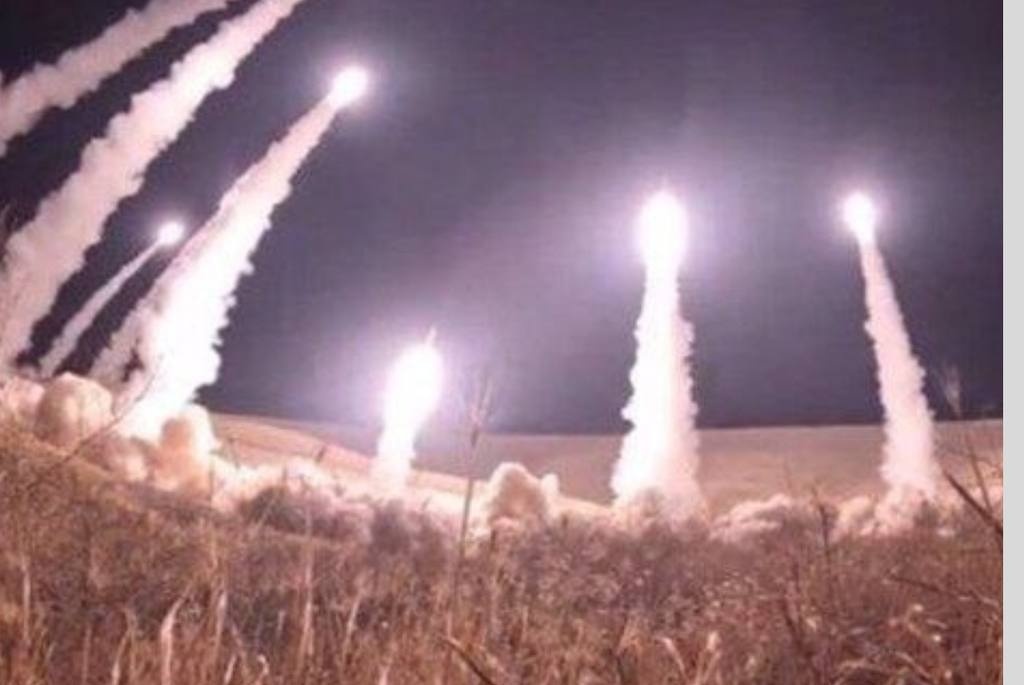
France has prevented Israel from taking part in the Urosatori arms exhibition scheduled to take place in Paris this month, according to a report published on 1 June 2026 by Al Alam Arabic. The channel, which is affiliated with Iranian state media, cited what it described as an urgent development without specifying the mechanism by which the French government communicated the exclusion.
The report, if accurate, would mark a significant escalation in the diplomatic friction between Paris and Tel Aviv. France and Israel have a long-standing defense relationship built on joint procurement, intelligence-sharing, and industrial cooperation. That relationship has grown increasingly complicated over the past several years, as French foreign policy has moved toward explicit calls for ceasefire negotiations and greater conditionality in arms-export licensing.
A Relationship Under Pressure
The contours of Franco-Israeli defense ties are well-documented, even if their precise texture in 2026 remains subject to competing interpretations. France has historically been a supplier of military systems to Israel, though the volume and character of those exports have shifted with successive governments. What is not in dispute is that Paris has, in recent years, adopted a more cautious posture toward end-use certification for defense goods sold to parties involved in active conflicts.
French law permits the government to suspend or deny arms-export licenses where there is a risk that the final user will commit serious violations of international humanitarian law. The application of that standard to Israel — given the ongoing conflict in Gaza and the accompanying international legal debate — has placed the Macron administration in a position where it must balance industrial interests against legal obligations and diplomatic pressures from across the political spectrum.
The exclusion from Urosatori, if formally enacted, would be consistent with that trajectory. The exhibition is not merely a commercial venue; it is a convening point for European defense ministries, procurement agencies, and export-credit institutions. Preventing Israeli participation effectively cuts off access to a layer of institutional networking that matters for long-term contract pipeline.
What the Sources Do Not Establish
It is worth being precise about what is and is not confirmed. The primary sourcing for this report is Iranian state-adjacent media, which has an evident interest in foregrounding divisions between Western allies. Al Alam Arabic's framing of the development as a straightforward act of French solidarity with a broader anti-Israel position reflects the editorial priorities of its parent organization, not independent verification.
Western wire services had not, as of publication, independently confirmed the substance of the claim. No French government statement, ministerial briefing, or official communiqué has been cited in available reporting that corroborates the specific allegation of exclusion. The absence of corroboration does not mean the report is false — governments routinely make informal decisions that precede formal announcements — but it does mean that any editorial treatment of this story must account for the sourcing gap.
This publication has sought to verify the claim through available channels and will update this report if confirmed reporting emerges from French, Israeli, or mainstream Western wire sources.
The Arms-Trade Policy Context
The broader context is France's evolving approach to defense exports. Several European governments have faced legal and political pressure to reassess their arms-sale policies in light of the conflict in Gaza and the International Court of Justice's provisional measures orders. France has not been immune to that pressure. Members of the National Assembly from across the political spectrum have raised questions about the compatibility of certain export licenses with France's obligations under the Arms Trade Treaty.
The Urosatori exhibition, held annually in Paris, is one of the largest European forums for defense procurement and export promotion. Participation is typically determined by export-license eligibility, diplomatic clearance, and bilateral agreements between the host country and the exhibiting state. A formal bar on Israeli participation would be a political act as much as an administrative one — a signal that France regards the legal and reputational risks of co-hosting Israeli defense firms as outweighing the commercial benefits.
Israeli defense companies, for their part, have extensive presences at European exhibitions. Exclusion from one venue does not preclude participation in others, but it does create a precedent that could complicate licensing conversations in Paris and, by extension, influence how other European capitals calibrate their own positions.
Stakes and Forward View
If the exclusion is confirmed, the immediate loser is the Israeli defense sector's access to a high-value European commercial and diplomatic environment. France loses a degree of bilateral defense cooperation that has been mutually beneficial, at least in the near term. The broader loser may be the credibility of the Franco-Israeli relationship as a stable institutional arrangement, rather than a relationship subject to episodic diplomatic disruption.
The forward question is whether this represents a one-off political decision or the crystallization of a more durable French posture. That depends on the outcome of ongoing legal reviews of French arms-export policy, the direction of the Gaza conflict, and the appetite of the Macron administration to absorb the political cost of a formal break with Tel Aviv on a matter as visible as a major defense exhibition.
This publication will continue to monitor for corroboration from French government sources, Israeli defense ministry statements, and independent wire reporting.
France's defense ministry declined to comment on the specific allegation. The Israeli embassy in Paris had not issued a public statement as of publication.
Wire provenance
This editorial synthesis draws on the following public wire/social posts:
- https://t.me/alalamarabic/45678