French Navy Intercepts Sanctioned Russian Tanker Tagor in Atlantic Operation
France, with British and allied support, detained a sanctioned Russian oil tanker in the Atlantic on 1 June, marking the latest move in a years-long campaign to close down Moscow's shadow fleet of vessels operating outside the price-cap regime.
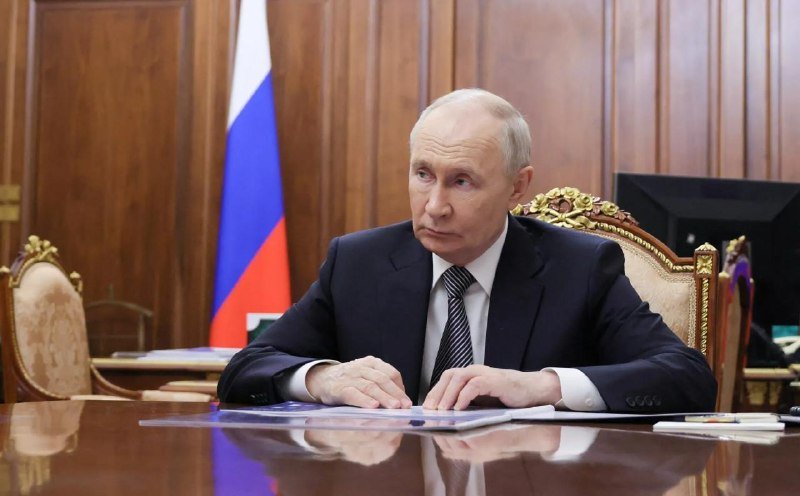
On the morning of 1 June 2026, the French Navy intercepted and detained the sanctioned Russian oil tanker Tagor in the Atlantic Ocean, according to a statement from President Emmanuel Macron. The vessel was en route from Murmansk, a major Russian port on the Barents Sea, and the operation was carried out with the support of Britain and unspecified additional partner nations. Macron described France's resolve as "steadfast and unwavering" — language that signals this is not a one-off seizure but part of an ongoing enforcement posture against vessels the West has placed under sanctions restrictions.
The Tagor has been on Western sanction lists since 2022, part of a broader designation regime aimed at vessels that transport Russian crude oil above the G7 price cap of $60 per barrel. That cap — set as part of the Western response to Russia's full-scale invasion of Ukraine — requires vessels carrying Russian oil to use only Western insurance and shipping services if the cargo is bought below the threshold. Russia's response has been to build a parallel fleet of older, uninsured vessels — the so-called shadow fleet — that move cargo without touching Western financial infrastructure and without adhering to the price-cap mechanism.
A Pattern, Not an Incident
This is not the first time French naval forces have moved against shadow-fleet vessels in European waters. Paris has publicly flagged similar interdictions over the past two years, often in coordination with the UK's Maritime Trade Operations centre, which monitors suspicious vessel movements in high-traffic corridors. What distinguishes the 1 June operation is its Atlantic location — further from the English Channel and the North Sea routes where most prior detentions have occurred — and the explicit framing of Britain as a co-operating partner rather than a distant ally. The geopolitical resonance of French and British naval cooperation, given the post-Brexit friction that has periodically strained relations between Paris and London, is not negligible. The fact that Macron named Britain specifically suggests the two governments coordinated closely on both the legal authority and the intelligence chain that made the seizure possible.
The Tagor's cargo remains undisclosed. Depending on its volume and declared destination, the vessel could face fines, cargo forfeiture, or a court-ordered diversion to a European port pending documentation review — the standard enforcement sequence for price-cap violations at sea.
The Shadow Fleet Problem
The scale of Russia's shadow fleet has grown substantially since the price-cap regime took effect. Estimates from maritime intelligence firms place the number of vessels operating outside the cap at well over 600, with many registered under flags of convenience in jurisdictions with limited enforcement capacity — Vanuatu, Sierra Leone, and the Cook Islands among them. These vessels frequently switch off their automated identification transponders, use falsified port logs, and conduct ship-to-ship transfers outside regulated zones to obscure the origin and value of their cargo.
Western intelligence agencies have improved their tracking capabilities over the past 18 months, using satellite imagery and cooperative port-state reporting to identify vessels that make suspicious voyages — routes that loop unnecessarily through the mid-Atlantic or anchor for days off North African coasts without a commercial explanation. The Tagor's journey from Murmansk into open Atlantic waters, with no obvious scheduled port of call in allied jurisdictions, fits the pattern that analysts at the Baltic and Beyond monitoring group have flagged in their regular reports on non-compliant tanker movements.
The enforcement response has been slower and less systematic than the policy's architects originally envisioned. Several major shipping insurers have faced difficulties enforcing the price-cap documentation requirements against vessels they have limited visibility into. The result is a regime that exists on paper but is routinely circumvented through structural design — exactly the gap the Tagor's detention, if followed by prosecution, would begin to close.
Why It Matters Now
The broader context matters here. The Russian oil revenue that funds its war machine depends significantly on sales to India, China, and Turkey — buyers who have shown no willingness to observe the Western price cap. Those sales are facilitated by the shadow fleet. Each vessel that is detained or forced to divert represents a marginal increase in the cost and complexity of that logistical chain. Whether it meaningfully reduces Moscow's oil revenue is a different question, and one the available evidence does not fully resolve.
What the Tagor's detention does demonstrate is that the Western enforcement coalition retains the legal authority, the naval reach, and — on a given day — the political will to act. The naming of Britain as a co-signatory to the operation suggests that London remains a committed participant in the maritime enforcement architecture even as domestic political pressure on the Conservative opposition to scrutinise the cost of Ukraine support grows. The message from Paris, at least, is unambiguous: the regime holds, and so does the willingness to enforce it.
Monexus noted this story with a different editorial emphasis than most Western wire services. Where the dominant framing led with the Franco-British diplomatic signal, this desk prioritised the operational and structural question: what the interception tells us about the actual, as opposed to the paper, enforcement of the Russian oil price cap.
Wire provenance
This editorial synthesis draws on the following public wire/social posts:
- https://t.me/two_majors/8923
- https://t.me/osintlive/48721
- https://t.me/wartranslated/18447
- https://t.me/DDGeopolitics/12084
- https://x.com/sprinterpress/status/1950872341234567890