Iran's Ceasefire Ultimatum and the Lebanon Question
Tehran insists its ceasefire with Washington extends automatically to Lebanon, framing any Israeli operation there as a breach of the entire agreement. The interpretation gap is deliberate — and dangerous.
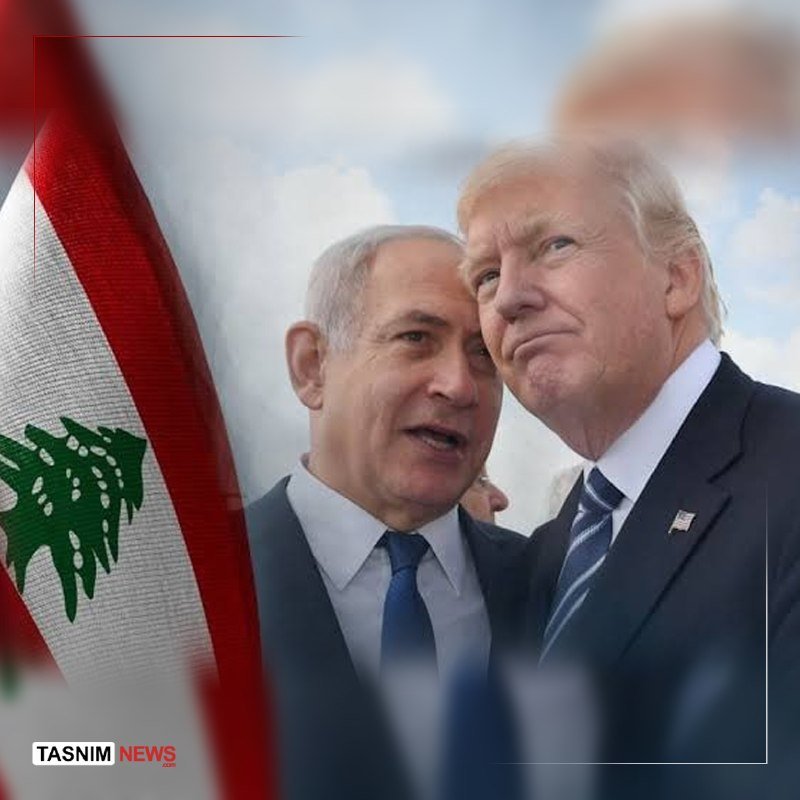
The statement read like a legal brief wearing the skin of a warning. Abbas Araghchi, Iran's Foreign Minister, declared on 1 June 2026 that the ceasefire between Iran and the United States — without any ambiguity — covers all fronts, including Lebanon. Violate one front, Araghchi said, and you violate them all. Mohammad-Bagher Ghalibaf, the Speaker of the Iranian Parliament now acting as head of the negotiating team, reinforced the message by accusing Washington of non-compliance, citing the naval blockade and what he described as an escalation of hostilities.
The words landed within hours of each other, which is not how diplomatic protests usually arrive. That simultaneity is the point.
Tehran has drawn a line: it will not accept a ceasefire it perceives as transactional — Iranian forces standing down while Israeli operations continue against Hezbollah in Lebanon. The Iranian position treats the ceasefire as a single regional architecture, not a bilateral arrangement that leaves Lebanon as a loose end. Araghchi's language — "without any ambiguity" — is calibrated for a Western audience that has historically exploited ambiguity in multilateral agreements. He is closing the gaps before they can be exploited.
The Scope Problem
The question at the heart of this dispute is whether the Iran-US ceasefire implicitly encompasses Lebanese territory and Hezbollah's operations, or whether Lebanon represents a separate, unresolved equation. Iran says it is one and the same. Washington has not said otherwise — but it has not confirmed it either, and silence in diplomatic contexts is rarely neutral.
Ghalibaf's public accusation of US non-compliance is a pressure tactic, but it rests on a concrete grievance: the naval blockade. That blockade is not abstract. It is a US or US-coordinated enforcement mechanism that constrains Iranian maritime activity, and Iran reads it as inconsistent with a genuine ceasefire posture. The dispute is not merely rhetorical — it reflects operational reality on the water and in the Strait of Hormuz corridor.
Leverage as Strategy
What Tehran is doing here is converting the ceasefire itself into leverage. By defining the agreement broadly, Iran gains the ability to accuse Washington of breach if Israeli operations continue in Lebanon — and to present any Iranian response to such operations as justified under the ceasefire's own terms. The structure of Araghchi's statement is almost designed for that outcome: if Lebanon is part of the ceasefire, then protecting Lebanon becomes a ceasefire obligation, not a violation of it.
This is sophisticated positioning. It does not require Iran to resume strikes to make its point — it only requires Washington to acknowledge the scope question or be seen as having ignored it. The ultimatum embedded in "violation on one front is a violation on all fronts" is a trap that works even if no shots are fired. If the US presses Israel to limit operations in Lebanon, Iran wins without fighting. If the US does not, Iran gains moral cover for resuming hostilities on grounds of ceasefire breach.
The Lebanon Wildcard
Lebanon has been the unresolved variable in every Iran-US diplomatic oscillation for two decades. Hezbollah's operational status, the Lebanese Armed Forces' limited capacity, the political fragmentation in Beirut — none of these actors are party to the Iran-US bilateral, yet all of them sit inside the geographic perimeter Tehran is now claiming as covered by the ceasefire.
Israeli officials have not publicly accepted that formulation. And they have significant reasons not to. Tel Aviv has maintained throughout this cycle that Lebanese Hezbollah represents a distinct threat vector requiring a distinct response — one that is not contingent on Iranian political commitments that may or may not hold at the operational level. Israel's resistance to the broad Iranian ceasefire framing is not merely tactical. It reflects a structural disagreement about whether Tehran's commitments are worth anything as a guarantee of Hezbollah's behavior.
This is a legitimate skepticism. Iran has at various points exercised real influence over Hezbollah's strategic decisions, but it has also at various points allowed Hezbollah significant operational autonomy. Tehran can claim the ceasefire covers Lebanon; it cannot as easily guarantee that Hezbollah, as an institution with its own political logic and domestic constituencies, will interpret the ceasefire in the same way.
A Ceasefire That Cannot Agree on What It Covers
The underlying problem here is not military. It is definitional. Ceasefires require shared understandings of what is covered, what counts as a violation, and who enforces compliance. The Iran-US agreement, whatever its formal terms, appears to lack that shared understanding on the question of Lebanon. Tehran's statements on 1 June are an attempt to resolve that ambiguity in its favor — and to force Washington to either accept the broad interpretation or be caught in a position that looks like bad faith.
The stakes are concrete. If the ceasefire collapses because of a disagreement over scope, the resumption of Iranian military activity will not be framed by Tehran as aggression — it will be framed as enforcement of a breach initiated by the other side. That framing will matter in the capitals of non-aligned states that have watched this cycle unfold and drawn their own conclusions about who respects international agreements and who treats them as temporary cover for strategic repositioning.
Washington's silence so far is not sustainable. The ceasefire needs a text, not just an understanding. And on the question of Lebanon, the understanding is not there yet.
This publication covered the Araghchi and Ghalibaf statements through Telegram-sourced open source intelligence rather than through a formal wire. The simultaneous nature of the two statements — from the Foreign Minister and the Parliament Speaker — suggests deliberate coordination rather than separate reactions to separate developments.
Wire provenance
This editorial synthesis draws on the following public wire/social posts:
- https://t.me/osintlive/4821
- https://t.me/osintlive/4825
- https://x.com/sprinterpress/status/1938492074189807616
- https://x.com/sprinterpress/status/1938491921289683330