Iran Suspends Indirect Talks With U.S., Demands End to Israeli Operations in Gaza and Lebanon
Tehran announced on 1 June 2026 that it has suspended all indirect message exchanges with Washington, linking the freeze directly to Israeli military operations in Gaza and Lebanon and demanding a complete cessation before talks can resume.
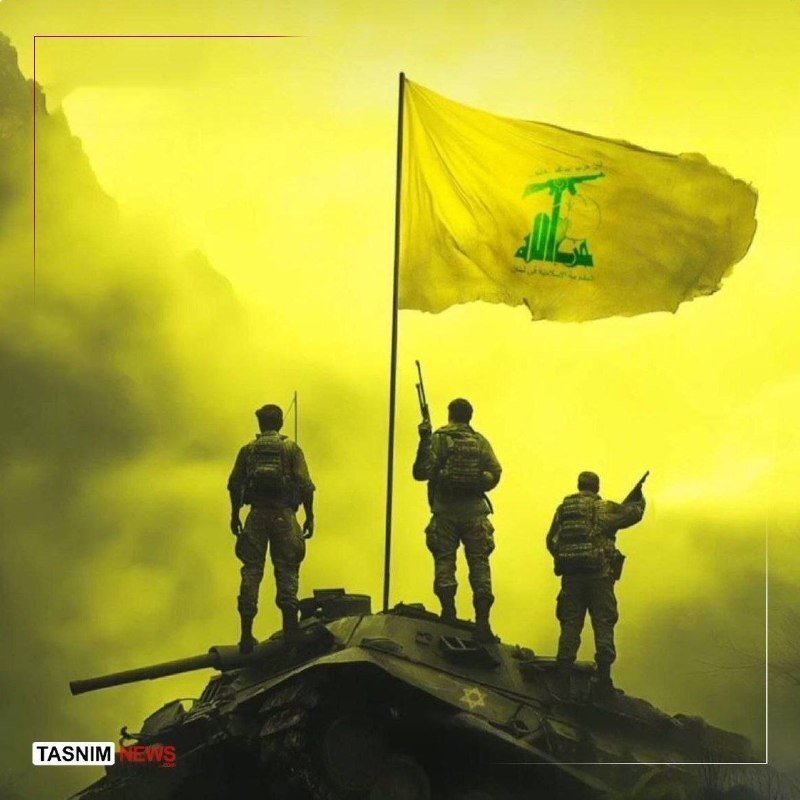
Iran announced on 1 June 2026 that it has suspended all indirect message exchanges with the United States, linking the diplomatic freeze directly to ongoing Israeli military operations in Gaza and Lebanon. The announcement, carried by Iranian state media including Mehr News and Tasnim, made clear that Tehran will not return to the negotiating table until Israeli operations cease entirely. Iranian armed forces and allied factions across what Tehran calls the "resistance front" have pledged a coordinated response to continued operations.
The timing of the suspension coincides with heightened regional tensions following reports of expanded Israeli military activity in southern Lebanon, adding a new dimension to the already fractured indirect channel that has served as the primary—though increasingly fragile—diplomatic conduit between Washington and Tehran since the collapse of the original nuclear framework in 2018.
What the Suspension Actually Means
The indirect talks, mediated primarily through Oman, represented the most substantive back-channel between the two governments since the United States withdrew from the Joint Comprehensive Plan of Action in 2018. Those discussions had focused on the parameters of a potential successor arrangement governing Iran's nuclear programme and the sanctions architecture that followed the original deal's unraveling.
The suspension announced on 1 June halts not merely the nuclear track but all diplomatic messaging, a more sweeping step than previous Iranian pauses that typically targeted specific negotiation tracks while maintaining communication channels. According to Tasnim News, the Iranian armed forces have declared their determination to respond along all axes of the resistance front. That language signals that the suspension is not a tactical pause but a deliberate escalation of the pressure campaign Tehran has been building since the Gaza war intensified.
The proximate trigger, as framed by Iranian sources, is the continued presence of Israeli military forces in Gaza following the 7 October 2023 offensive and the expansion of operations toward Lebanon's southern border. Iranian officials have long maintained that any durable diplomatic accommodation with Washington is conditional on an end to what Tehran describes as Israeli aggression against Palestinian and Lebanese territory.
Leverage or Breakdown?
The critical question is whether this suspension represents a negotiating tactic—using the threat of a full diplomatic freeze to extract concessions—or a genuine rupture in a channel that both sides have maintained despite deep animosity.
Those who argue for the leverage interpretation note that Iran has used periodic threats to extract better terms in previous negotiations and that the Omani-mediated channel has survived previous crises. The talks had been making incremental progress on nuclear technicalities, and walking away entirely would sacrifice ground Iran has spent years gaining. Under this reading, Tehran is demanding a ceasefire as a precondition for resuming what it sees as a relationship worth preserving.
The counter-argument is more straightforward: Israeli operations in Gaza and Lebanon show no sign of abating, making Iran's stated precondition impossible to meet in the near term. By tying the nuclear negotiations to a geopolitical condition Washington cannot unilaterally satisfy, Iran may have concluded that the current arrangement offers insufficient returns. The declaration of enhanced military coordination among the Houthis, Hezbollah, and other factions—reported by Mehr News—suggests Tehran is preparing to escalate along alternative pressure vectors rather than continue with a diplomatic process it views as stalled.
The Resistance Front in Concert
The timing of the Iranian announcement coincides with reports that sources close to Yemen's Houthis, via Mehr News Agency, have stated that political, military, and operational coordination between the Houthis, Hezbollah, and all groups within the resistance axis has entered a new phase. The statement, if accurate, reflects the kind of synchronization that Western and regional governments have long feared: a Tehran-aligned network acting on a shared strategic timetable rather than responding reactively to events.
That coordination carries immediate implications for shipping routes, regional deterrence calculations, and the diplomatic space available to mediators like Oman and, to a lesser extent, European governments attempting to preserve the negotiation framework. It also complicates the position of any Arab state attempting to maintain balanced relations with both Washington and Tehran, as the announcement effectively forces a choice on which channel to prioritize.
The structural reality beneath this moment is one of overlapping crises that have migrated from separate tracks onto a single fault line. What began as a Gaza war has expanded into a southern Lebanon confrontation. What was a frozen nuclear negotiation has become entangled with broader regional security questions. Iranian decision-makers appear to have concluded that these threads cannot be addressed independently—that the diplomatic channel with the United States cannot be meaningfully advanced while Israeli operations continue—and are acting accordingly.
What Comes Next
The immediate losers in the near term are those who had invested in the indirect channel as a mechanism for managing escalation. Oman, which has cultivated its role as a trusted interlocutor, finds its primary diplomatic instrument suspended. European parties to the original nuclear agreement lose the one active communication thread between the two principals. The United States, for its part, loses a channel that, however narrow, provided at least the possibility of influence over Iranian decision-making.
The broader trajectory points toward further regional hardening. If the history of comparable diplomatic freezes offers any guide, the suspension creates space for factions on all sides to pursue military rather than diplomatic objectives. The explicit announcement of enhanced coordination among resistance-axis actors suggests Tehran is not merely pausing but repositioning.
Whether the channel reopens depends on factors largely outside the scope of the nuclear negotiations themselves: whether Israeli operations in Lebanon escalate, whether a Gaza ceasefire framework emerges, and whether either side calculates that the diplomatic cost of staying frozen exceeds the strategic cost of returning. As of 1 June 2026, Tehran has made its answer clear.
Monexus framed this development as a direct consequence of unaddressed regional grievances rather than an inexplicable Iranian decision—an interpretation the Iranian state-media framing supports but one that the Western wire consensus has been slower to centre.
Wire provenance
This editorial synthesis draws on the following public wire/social posts:
- https://t.me/tasnimnews_en
- https://t.me/JahanTasnim
- https://t.me/GeoPWatch
- https://t.me/ClashReport
- https://t.me/rnintel