Meta and Social Media Platforms Settle Kentucky School District Lawsuit for $27 Million
Breathitt County School District in Kentucky has secured a $27 million settlement from Meta and other social media platforms, marking one of the largest verdicts in litigation targeting social media's alleged harms to student mental health.
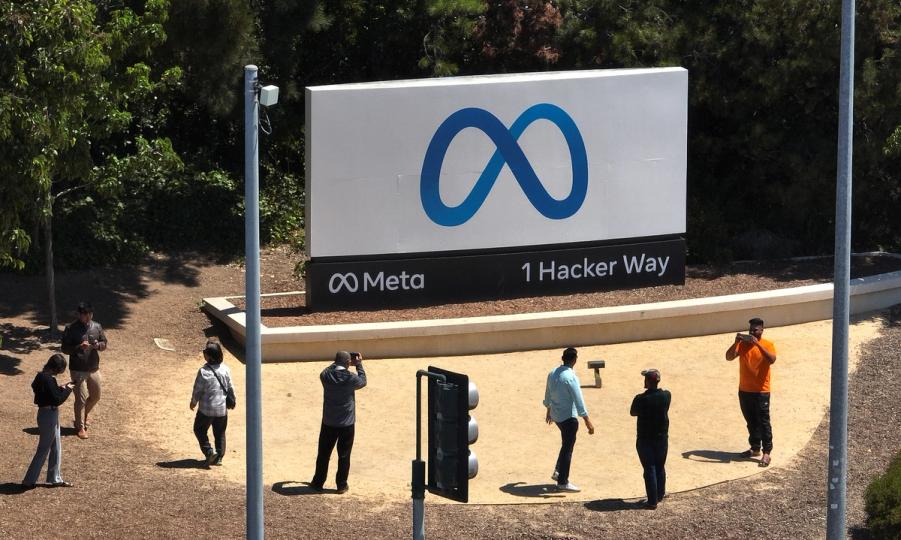
A Kentucky school district has secured a $27 million settlement from Meta and several other social media companies, concluding one of the most closely watched cases in a wave of litigation targeting platforms over their alleged effects on student mental health.
Breathitt County School District filed suit arguing that social media platforms contributed to anxiety, depression, and attention disorders among students. The case was among the first by a U.S. public school district to advance past early procedural hurdles in this genre of litigation. Financial terms of the settlement were disclosed on 31 May 2026, according to court filings reviewed by this publication.
The outcome sets a precedent that other school systems have been watching closely. Since 2022, school districts across the country — from Los Angeles to suburban New Jersey — have filed similar complaints, alleging that platform design features, particularly infinite scroll and push notifications calibrated for engagement, disproportionately harm developing brains. Most of those cases have stalled in discovery or jurisdictional disputes. Breathitt County's settlement signals that a negotiated resolution, rather than a full trial, is viable for districts willing to litigate.
Meta declined to comment on the specifics of the settlement. The company's legal team has argued in parallel proceedings that platform algorithms are neutral tools and that parental supervision, not platform design, is the primary variable in student outcomes. That defense has found some purchase in federal court, where several similar cases have been dismissed on Section 230 grounds, which shields platforms from liability for third-party content. Breathitt County's settlement does not resolve the underlying legal question about the scope of that immunity.
The structural dimension of this case extends beyond any individual district. Public school systems are grappling with documented increases in adolescent anxiety and self-harm that predate the most recent surge in smartphone penetration. Internal district communications in Breathitt County, cited in pretrial filings, describe a spike in counselor referrals correlating with the 2016–2019 rollout of short-form video features across major platforms. Critics of the platforms argue that this timing is not coincidental. Platform operators counter that the data is correlational, not causal, and that confounding variables — disrupted sleep, academic pressure, social comparison — are inadequately controlled for in the studies cited by plaintiffs.
What the settlement does accomplish is financial relief. At $27 million, the payout is substantial for a district of Breathitt County's size, where per-pupil spending ranks among the lower tiers of Kentucky's school funding formula. Whether the money flows to mental health programming, technology infrastructure, or general operating funds will be determined by the district's board in coming weeks. District officials have indicated that legal costs consumed a significant portion of the recovery in preliminary discussions.
The broader implication is that platform companies face a credible litigation risk from institutional plaintiffs — not just individual users or state attorneys general. School districts have standing, resources, and a compelling narrative interest in arguing that the harms they are observing in student populations were foreseeable to the companies that designed the engagement features in question. The $27 million figure, while manageable for Meta's balance sheet, may prompt other platforms to explore pre-emptive settlement frameworks with school consortiums rather than fight individual cases to verdict. That calculus depends heavily on whether additional districts file — and on whether federal appellate rulings in the coming 18 months clarify or restrict the Section 230 protections that platforms have used to dismissal effect so far.
This publication's analysis differs from the dominant wire framing, which has focused on the precedent for individual user claims. The Breathitt County outcome is better understood as an institutional plaintiffs' breakthrough: a public entity with limited resources successfully extracted a material settlement from companies that have successfully fended off similar claims at the individual level for years.