Myles Garrett Trade Reshapes NFL Landscape as Rams Bet on Pass-Rush Upgrade
The Los Angeles Rams completed a blockbuster acquisition of defensive end Myles Garrett from the Cleveland Browns on June 1, 2026, sending multiple first-round picks to Cleveland. Early market reaction pushed the Rams' Super Bowl odds longer, though one prominent projection model still sees value at the revised number.
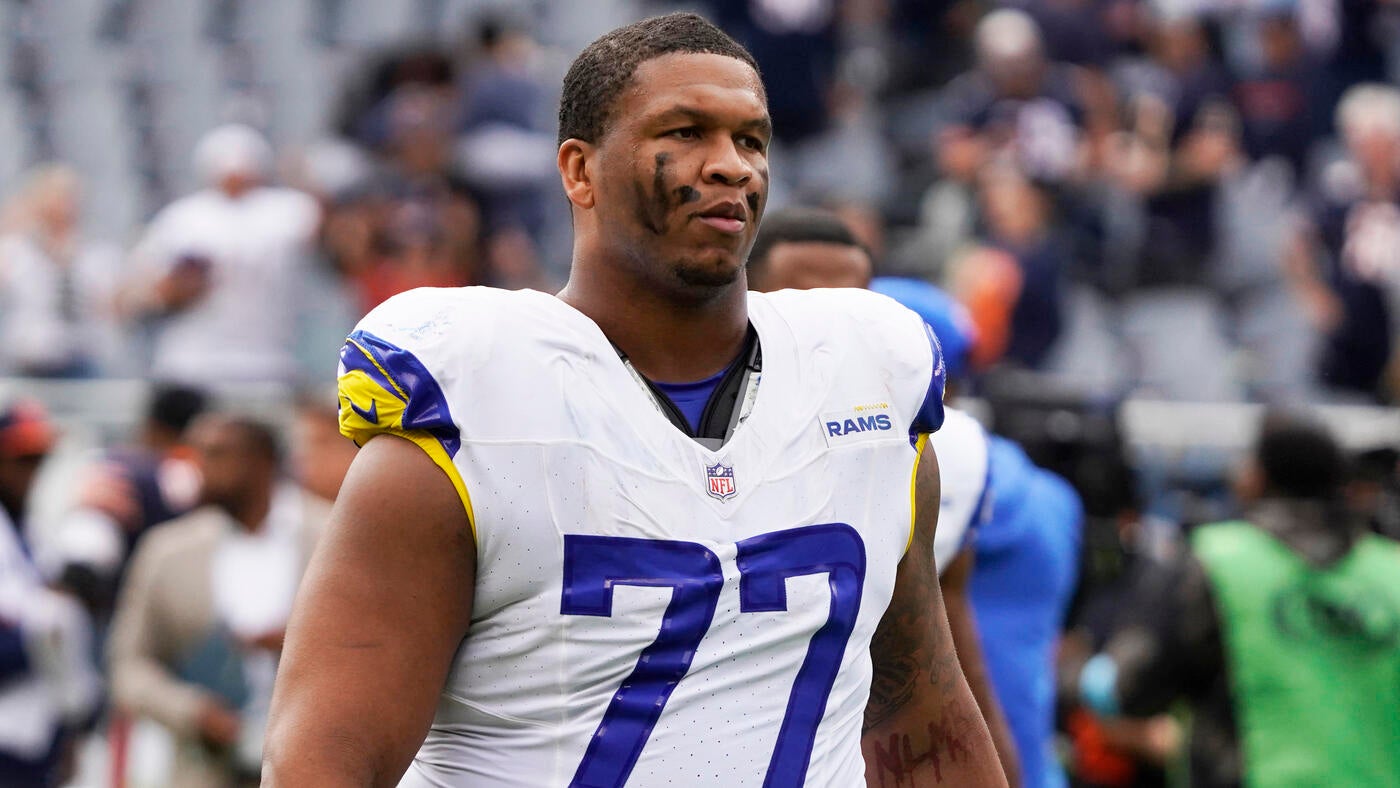
The Los Angeles Rams completed one of the most significant defensive acquisitions of the 2026 NFL offseason on June 1, acquiring former Cleveland Browns defensive end Myles Garrett in exchange for multiple first-round draft picks and additional compensation. The deal, announced the same day, immediately restructures the Rams' outlook heading into the 2026 season and represents a significant shift in general manager Les Snead's well-documented preference for "all-in" roster construction.
The trade itself is straightforward in structure but seismic in implications. Cleveland, which had granted Garrett permission to seek a trade earlier in the offseason after a public request from the player, secures a substantial draft package in return. Los Angeles, meanwhile, lands the league's most proven pass-rusher outside of a handful of elite contemporaries.
The Odds Reaction
Sportsbooks responded to the announcement by lengthening the Rams' Super Bowl odds, a predictable market signal when a team surrenders significant future capital. According to CBS Sports, Los Angeles saw its title odds drop—meaning the implied probability of a championship fell—immediately after the trade became official on June 1, 2026. The market's initial read: the Rams paid a steep price, and the cost of acquisition must be weighed against the on-field return.
Yet the SportsLine Projection Model, cited in the same reporting, takes a more nuanced view. Despite the odds lengthening, the model's internal win-probability calculations still identified value at the revised number. In plain terms: the model believes Las Vegas overcompensated for the draft-pick cost, and that the Rams' true championship probability exceeds what the updated odds reflect. This is the kind of disjunct between market price and model estimate that sharp bettors watch for.
The Rams' division odds moved similarly, reflecting both the price paid and the competitive landscape in the NFC West. Whether those odds represent genuine value depends on how much weight one assigns to Garrett's individual impact against a defense that has ranked in the league's middle tier in recent seasons.
What the Rams Are Buying
Garrett, 29, arrives in Los Angeles having logged 12.5 sacks in 2025, his ninth professional season. He represents a category of acquisition that rarely becomes available: a proven elite edge defender in his prime who has never missed a full season to injury and whose performance metrics have remained consistent across multiple Browns regimes. He is not a reclamation project or a buy-low candidate. He is a finished product.
For a Rams defense that finished 2025 ranked 17th in the league in sacks, the addition fundamentally changes the unit's ceiling. Garrett's presence alone upgrades the pass rush. More significantly, his effect on the opposing offense's game-planning—double-teams, chip blocks, designed rolls away from his side—creates downstream benefits for the rest of the defensive line. Head coach Sean McVay's staff now has a piece around which to build a front that can genuinely pressure quarterbacks without relying on blitz packages that expose the secondary.
The counterargument, one the market appears to be pricing in, is structural. The Rams gave up at least two first-round picks. The cost in future roster-building flexibility is real and non-trivial. Draft capital in the NFL is particularly valuable given the rookie wage scale, which allows teams to acquire high-level starters at below-market salaries for their first four years. Surrendering that pipeline to acquire one player—even an elite one—is a bet that this particular player, in this particular system, will be the marginal difference between a wild-card exit and a championship.
The Trade's Wider Context
The deal fits within a broader pattern in the NFL's upper echelon: contenders increasingly willing to treat future draft capital as currency rather than organizational insurance. The Rams themselves pioneered this approach at scale during their Super Bowl LIII run in 2018, moving picks for established veterans and winning a championship as a result. The template has since been copied across the league, with varying degrees of success.
What distinguishes the Garrett trade from simpler win-now moves is the specificity of the fit. Los Angeles did not acquire a general asset. It identified a single, named player whose skill set addressed its most consistent structural weakness and made the market for him. Cleveland's willingness to move him—and to accept the Rams' package over alternatives—suggests both sides believed they were transacting at or near fair value.
The Road Ahead
The 2026 season will serve as the verdict. The Rams enter training camp with a reconfigured defense anchored by Garrett and a coaching staff that has demonstrated an ability to integrate high-profile acquisitions. The cost was steep enough that the margin for error is narrow: this is a championship-or-bust move by any reasonable read of the trade's structure.
For bettors and analysts watching the odds market, the SportsLine model's read—that value exists at the revised number—represents the most interesting signal in the immediate aftermath. Markets, particularly in the 48 hours following major news, often overshoot in one direction before finding equilibrium. Whether the Rams' revised odds represent genuine value or a market that has simply absorbed the excitement of a headline move is a question that the season's first weeks will begin to answer.
The Garrett trade is, at its core, a statement about the 2026 Rams' ambitions. The picks surrendered say the organization believes this window is open now. The player acquired says they have identified the missing piece. Whether that belief withstands contact with a 17-game season is what makes professional sports worth watching.