Sabalenka's night-session statement and the quiet politics of Roland Garros scheduling
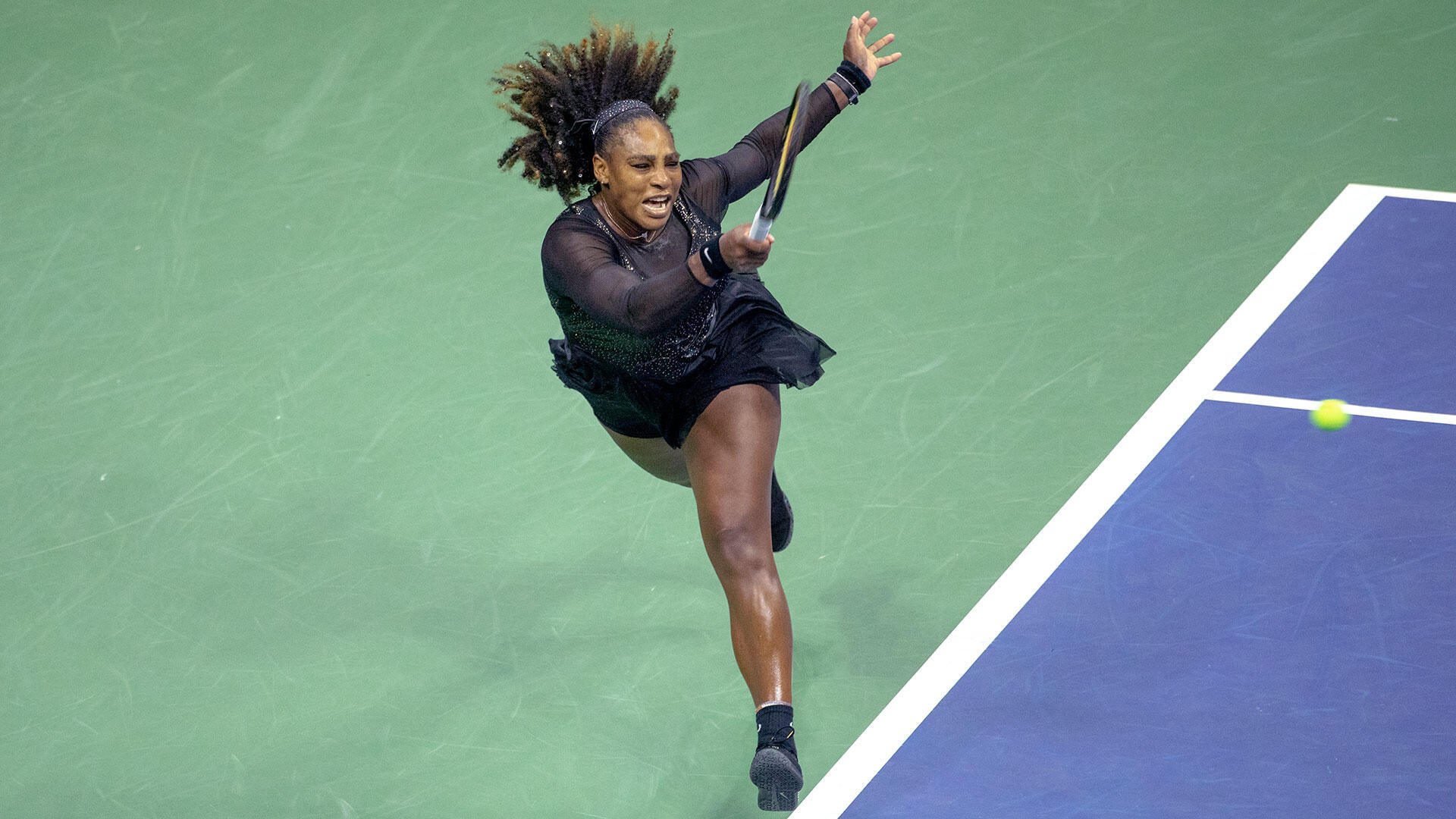
When the French Open draw placed world number one Aryna Sabalenka against four-time major winner Naomi Osaka in the fourth round, the match carried its own weight. What happened on court at Philippe-Chatrier on Monday night was a statement from Sabalenka — 7-5, 6-3, the Belarusian's serve the difference in a contest that hung in the balance through the first set and tilted decisively after it. What happened off it was a question about who gets to perform under the lights at Roland Garros, and why.
The win sent Sabalenka into her fourth consecutive French Open quarter-final, an unbroken run that underlines her standing as the clay-court season's most consistent force. It also secured her passage past a player who, on her day, can dominate any opponent on any surface. Osaka pushed. The first set required Sabalenka to dig into reserves that separate top-five players from the rest of the tour. The serve — 11 aces according to the BBC report, a figure that flatters only slightly — broke the tie when it mattered most. After that, momentum transferred and did not return.
"Really important they put match as night session," Sabalenka said after the match, according to coverage from the French Open's official channels. The comment landed with context. The 2023 edition had been the last time a women's match received the prime-time slot on Philippe-Chatrier. The intervening years had produced a pattern that players and observers had noted without always making it a public point of contention: night sessions at Roland Garros defaulted to men.
The tournament is not unique in this. Across the Grand Slams, night sessions carry logistical and commercial advantages — larger television audiences in North America, a contained atmosphere that suits broadcast production, the sense of occasion that comes with playing under floodlights in a stadium designed to hold 15,000 people. But the allocation has been uneven enough that the WTA has engaged with the issue in quieter terms, and players have spoken publicly about the signal sent when the most-watched match of a given day goes one direction.
Monday's decision to place Sabalenka-Osaka under the lights appears to have been driven by the quality of the matchup — two players with major titles and global name recognition, a collision that generated its own audience regardless of scheduling. That the tournament chose a women's match for the slot on its merits rather than defaulting to the men's draw is worth noting, even if the pattern of omission that preceded it remains.
Berrettini's quarter-final run offers a secondary thread. The Italian, working back from injury, continued his best run at a major since 2021 by reaching the last eight. His progression carries less resonance for the title picture — Sabalenka remains the form favourite on the women's side — but it underscores a wider dynamic in the sport: the return paths available to players who invest in recovery and rebuild rather than retreat. Berrettini is not a title contender at 28, but he is a genuine quarter-finalist again, which is not nothing.
For Sabalenka, the stakes ahead are clearer. The quarter-finals represent the stage where clay-court excellence is tested most unforgivingly. The draw has opened in a way that gives her a path to the final weekend, but the opposition waiting there — regardless of who emerges from the opposite half — will not be surprised by what they face. She will come with a serve that can dominate, a forehand that forces errors, and a record at this tournament that speaks for itself.
What Monday night settled, beyond the result, was a question of visibility. The night session at Roland Garros went to a women's match, and the quality of tennis justified the choice. Whether that makes it a precedent or an exception will depend on what the tournament decides when the next high-profile draw calls for a prime-time slot.
Wire provenance
This editorial synthesis draws on the following public wire/social posts:
- https://t.me/france24_en/42188