Trump's Hormuz Gambit: The Ceasefire, the Pressure, and the 30% Odds Against Peace
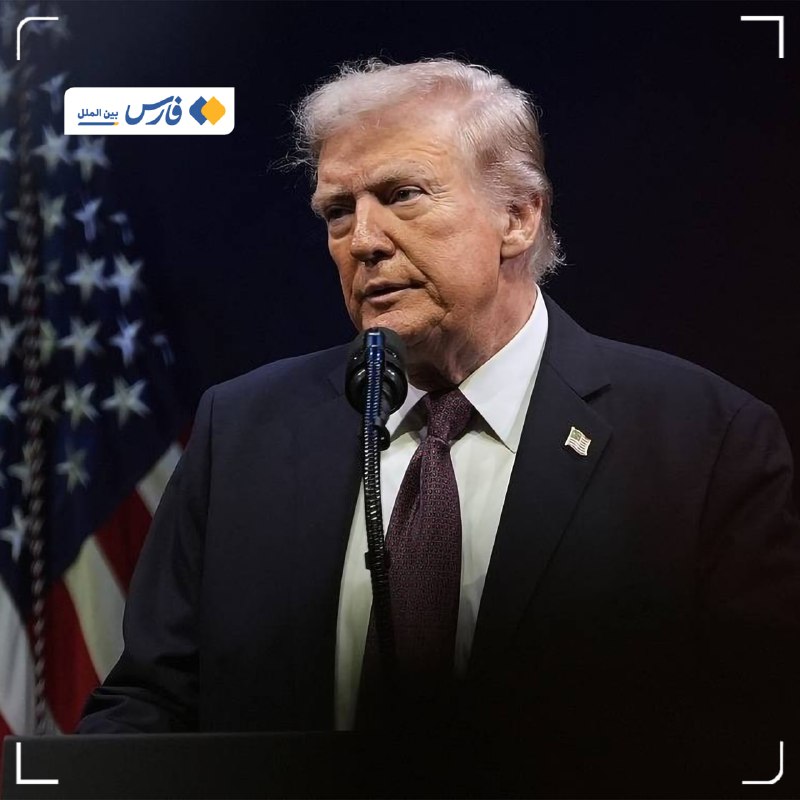
The announcement came on a Saturday morning in late May. The United States and Iran, after weeks of back-channel exchanges, had agreed to sit down and talk. The stated goal: a deal that would prevent Iran from acquiring a nuclear weapon and reopen the Strait of Hormuz to global shipping. By June 1, the talks were still in progress — and the markets were not reassured.
According to Polymarket data cited across several Telegram news wires, the probability of Hormuz traffic returning to normal by the end of June stood at just 30 percent. That number — laid out in betting-market form, stripped of diplomatic language — captures the distance between the ceasefire announcement and the reality on the water.
The Talks: What Trump Wants and What Iran is Willing to Give
Trump administration officials have been unambiguous about the end state they are pursuing. Per reporting from LiveMint citing wire summaries, the White House is looking to finalise a peace deal with Iran on the guarantee of no nuclear weapons, with the reopening of Hormuz as the central incentive. The deal, as described by officials, would pair Iranian nuclear constraints — verified and irreversible — with immediate sanctions relief and formal US guarantees against future military action.
The negotiating posture has been hardball throughout. Secondary tariff threats directed at countries that continued purchasing Iranian oil. Military repositioning: a carrier group in the Gulf of Oman, naval assets in the area of operations, signals sent through the Pentagon's public briefing schedule. The stated message from the White House has been consistent — maximum pressure until Iran capitulates.
Iran's response, as characterised in reporting across multiple regional news wires, has been to seek not just sanctions relief but a formal end to the economic warfare that has constrained its economy since 2018. Tehran has indicated a willingness to accept binding nuclear constraints in exchange for the reopening of Hormuz and the lifting of sanctions that have crippled its oil exports. The disagreement is not over goals — both sides say they want a deal — but over timeline, verification, and the sequencing of concessions.
The Polymarket odds of 30 percent reflect a market reading of this dynamic: the gap between what Trump demands and what Iran will accept is wide, the US administration has shown willingness to escalate rather than blink, and the Hormuz situation remains unresolved despite the talks.
Hormuz: The Chokepoint That Defines the Negotiation
The Strait of Hormuz is not a metaphor. It is a 21-mile-wide channel between Oman and Iran through which roughly one-fifth of the world's oil passes on any given day. The volume of traffic — tankers, cargo vessels, LNG carriers — makes it one of the most surveilled bodies of water on earth. It is also, by geography, almost entirely dominated by Iranian coastal positions and the naval assets of the Islamic Revolutionary Guard Corps.
When the traffic slowed in May 2026, the effects were immediate and global. Shipping firms rerouted vessels around the Cape of Good Hope, adding two weeks to journey times and substantially increasing costs. Insurance premiums for Gulf transits spiked. Oil markets, already pricing in disruption, moved sharply on every piece of news from the negotiating table.
The immediate risk is not economic — it is military. The IRGC has been careful in how it has managed the Hormuz situation, targeting specific vessels while preserving the appearance of restraint. That calculation changes if domestic political dynamics in Tehran shift toward harder-line responses, or if US military operations are perceived to move beyond defensive posture. An incident — a misidentified contact, a misunderstood signal — could destabilise the talks entirely, and that risk sits beneath every optimistic statement coming out of the White House.
Iran's Position: What Tehran Wants Beyond the Nuclear Question
Tehran's framing of the Hormuz situation is not simply a negotiating tactic. Iran has consistently argued that restrictions on Hormuz traffic are a response to US economic aggression — specifically the sanctions regime that has prevented Iran from conducting normal international trade — rather than an independent act of aggression. Iranian legal arguments, cited in regional reporting, invoke maritime sovereignty provisions under the UN Convention on the Law of the Sea, which Iran has ratified and which permit coastal states to restrict passage in certain circumstances related to self-defence.
Iran has offered to open Hormuz as part of a broader package that includes sanctions relief, the release of frozen oil revenues, and formal guarantees against future US military action. The US administration has rejected this framing, insisting that sanctions are a legitimate instrument of statecraft and not an act of war — and that Iran's threats to Hormuz constitute a form of economic coercion that the international community should not accommodate.
The disagreement on Hormuz is not incidental to the talks. It is the talks. Trump wants Hormuz open as the outcome of a nuclear deal. Iran wants Hormuz open as part of a broader settlement that includes its economic survival. The structural mismatch on terms is why the Polymarket odds sit at 30 percent rather than 70.
The Global Stakes: Energy Markets, Strategic Routing, and the Architecture of the Oil Trade
If the Hormuz situation persists, the consequences extend well beyond Iran and the United States. Asian refiners — in Japan, South Korea, India, and China — have already begun adjusting procurement patterns and drawing down strategic reserves. The additional cost of routing around the Cape is not absorbed easily by energy markets that are already managing post-pandemic demand volatility.
The longer the situation remains unresolved, the more structural the change becomes. Shipping firms, refiners, and insurers are building risk premiums into their planning assumptions. That re-pricing, if it becomes permanent, reshapes the cost structure of global trade in ways that affect every energy-consuming economy — not because Hormuz is closed, but because it is understood to be unreliable.
The Gulf states — Saudi Arabia, the UAE, Qatar — have a shared interest in stability but also a shared awareness that US reliability is not guaranteed. The conversations happening in Riyadh and Abu Dhabi right now are about hedging: diplomatic cover for the US position while quietly maintaining channels with Tehran. Saudi Arabia's investments in alternative export infrastructure have accelerated as a result of this uncertainty.
What Comes Next
The talks are ongoing. Trump has reportedly sent tougher new terms to Iran for the proposed framework as of May 31, per Polymarket wire summaries. The Polymarket odds of a Hormuz normalisation by month-end — at 30 percent — reflect a market that is not confident in a breakthrough before the end of June, but that does not rule one out entirely. A Trump administration that moderates its secondary tariff pressure, accepts a phased approach to sanctions relief, and provides credible security guarantees could move those odds substantially. Iran's pragmatic faction wants a deal. The question is whether Washington is willing to give them one.
The harder scenario — and the one the 30-percent figure is pricing in — is a prolonged standoff. In that outcome, the credibility of both administrations is tested: Trump faces questions about whether maximum pressure achieves results or simply extends the crisis; Iran faces a population that is exhausted by economic hardship and a leadership that is constrained by internal hardliners who see any concession as weakness.
The stakes of this negotiation go beyond bilateral relations. They reshape the architecture of global energy trade, the credibility of US coercion as a policy instrument, and the degree to which Hormuz — the single most important maritime chokepoint on earth — is treated as a stable, managed passage or a persistent source of strategic risk. The ceasefire announcement was a beginning. Whether it leads somewhere durable, or simply defers the next crisis, will be decided in the next several weeks.
This desk covered the Hormuz situation through Telegram wire summaries and Polymarket odds data — a reminder that in a contested information environment, market signals often move faster than official statements. Monexus will continue tracking the talks as they develop.
Wire provenance
This editorial synthesis draws on the following public wire/social posts:
- https://t.me/LiveMint/11231
- https://t.me/CryptoBriefing/88712
- https://t.me/CryptoBriefing/88710
- https://t.me/TSN_ua/45621
- https://x.com/unusual_whales/status/1953214567823081472