Trump's Iran Nuclear Demands: A Deal Designed to Fail
Reporting from 31 May shows Iran has removed nuclear restrictions from talks and refused to surrender enrichment capacity — a hardening position that suggests Washington's tougher new terms may be less about clinching a deal and more about engineering a failure it can use.
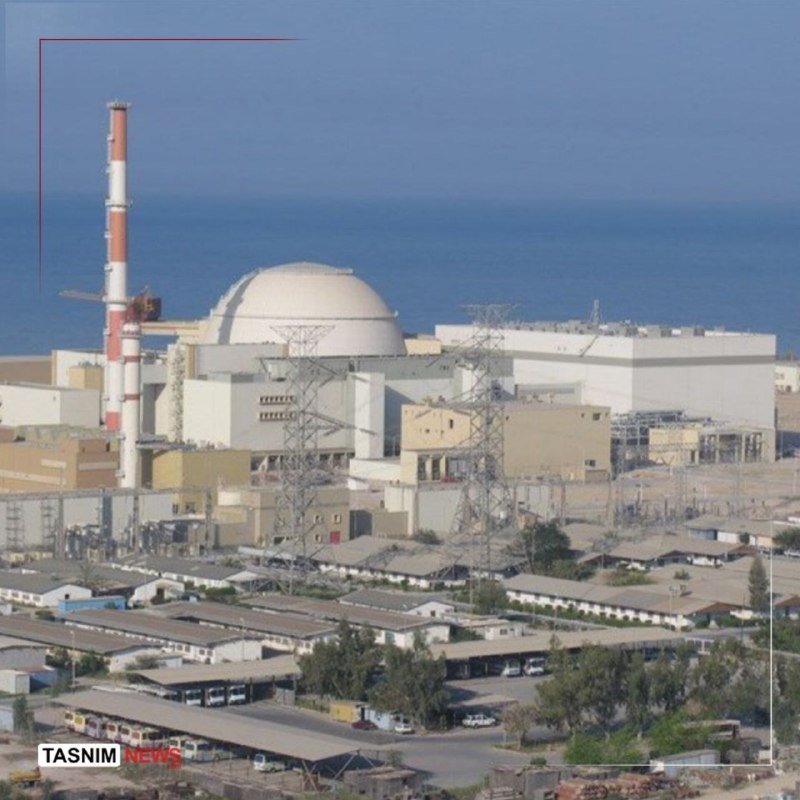
On 31 May 2026, it emerged that the Trump administration had sent tougher new terms to Iran for a proposed peace framework. Within hours, Iranian state media reported that nuclear restrictions had been removed from the negotiating agenda entirely, and a separate account held that Iran had refused to surrender uranium-enrichment capacity — the very provision a comprehensive deal would require. The gap between what Washington is demanding and what Tehran is prepared to give has not closed; it has widened. And the most coherent explanation for that may not be that a deal is close — but that it is designed to fail.
The Tougher Terms
The Polymarket post from 01:19 UTC on 31 May reported the new US terms as "tougher new terms" for a peace framework. CryptoBriefing's same-day coverage confirmed the direction: Iran was actively resisting the terms on offer, with negotiations stalling over the uranium-surrender question. Iran's official position, conveyed through state-adjacent channels, was that no final agreement had been reached. This is not a negotiation in the conventional sense — it is two sides presenting opening bids so far apart that a breakdown is the credible outcome.
Why Iran Won't Accept
The refusal to surrender enrichment capacity is not negotiable from Tehran's perspective because it represents the only leverage Iran has built in the two years since the US reimposed maximum pressure. Iran enriched to 84 percent purity in early 2023 — weapons-adjacent levels — before partially retreating. That episode demonstrated that Iran has the technical capacity, and the political will to use it as a bargaining chip, not to discard it as a precondition. Asking Iran to give up what it spent years developing is not a negotiating position; it is a demand.
Iranian state media's framing that the nuclear issue had been "removed" from the agenda signals a line already drawn. The uranium-surrender proposal reported on 31 May confirms it. Tehran will not trade enrichment capacity for economic relief, particularly when it believes the alternative — a managed standoff — is survivable. Domestic hardliners have the upper hand in this calculus. The Revolutionary Guard and allied factions have a structural interest in the failure of any diplomatic opening; they will not quietly accept capitulation.
The Credibility Problem
The deal that existed before 2018 — the JCPOA — was destroyed by the US withdrawal under the same president now sending tough new terms. Iranian negotiators remember this. The current negotiating team knows it was the American side that broke faith last time. Any agreement now must address that credibility gap, either through ironclad sanctions-relief guarantees or a restoration of the JCPOA framework. Trump's team, by the available reporting, wants something less comprehensive: targeted sanctions relief in exchange for expanded restrictions. Tehran sees this as a trap — gains for Iran without structural guarantees, reversed the moment Washington decides the deal no longer serves its purposes.
There is a second structural consideration: the broader context of Iran-US tensions, as reported across the same news cycle, points to a military dimension the negotiating track does not resolve. Military strain on both sides is real. Contingency planning is active. The talks in Muscat are being conducted against a backdrop where the alternative to a deal is not peaceful inaction but a slowly deteriorating security situation with open-ended risk.
Failure as Strategy
The question this raises is whether the administration wants a deal or wants the failure of one. Trump has publicly claimed Iran agreed to nuclear restraint; the reporting contradicts this. The gap between the public posture and the reported substance is significant. CryptoBriefing's coverage on the morning of 31 May framed the talks as stalled and Iran as resistant. By that evening, the uranium-surrender refusal was confirmed. The terms sent on 31 May appear calibrated not to succeed — but to create a narrative of Iranian bad faith that can be deployed if the talks collapse.
If the negotiation fails, the downstream scenarios are well-defined: new sanctions targeting Iran's secondary buyers, particularly Chinese financial institutions and refiners handling Iranian oil. Military contingency planning inside the Pentagon is reportedly underway. Iran's economy can absorb further sanctions pressure — it has before — but a new wave targeting the Chinese secondary market would impose real costs. The alternative is worse: an Iran that accelerates enrichment toward weapons-grade with no diplomatic backstop, an Israeli government that sees windows closing, and a US with no leverage remaining except military. The most dangerous outcome is a deal that fails and gets sold as someone else's fault.
Monexus covered this story as a genuine negotiating breakdown rather than a Trump-narrative vehicle. The dominant framing across wire services framed the talks through the lens of presidential dealmaking and negotiating theatre. The structural picture — Iran with leverage, the US with demands it cannot enforce, a credibility gap that no intermediate agreement can bridge — received less attention.
Wire provenance
This editorial synthesis draws on the following public wire/social posts:
- https://x.com/polymarket/status/1921892478019379229
- https://t.me/CryptoBriefing/29421
- https://t.me/CryptoBriefing/29415
- https://t.me/CryptoBriefing/29408
- https://t.me/CryptoBriefing/29426