Bahrain bans citizens from traveling to Iran and Iraq
Bahrain's Interior Ministry announced an immediate, indefinite ban on its citizens traveling to Iran and Iraq on 2 June 2026, citing pressing regional security concerns and leaving many Bahraini nationals already abroad uncertain of their ability to return.
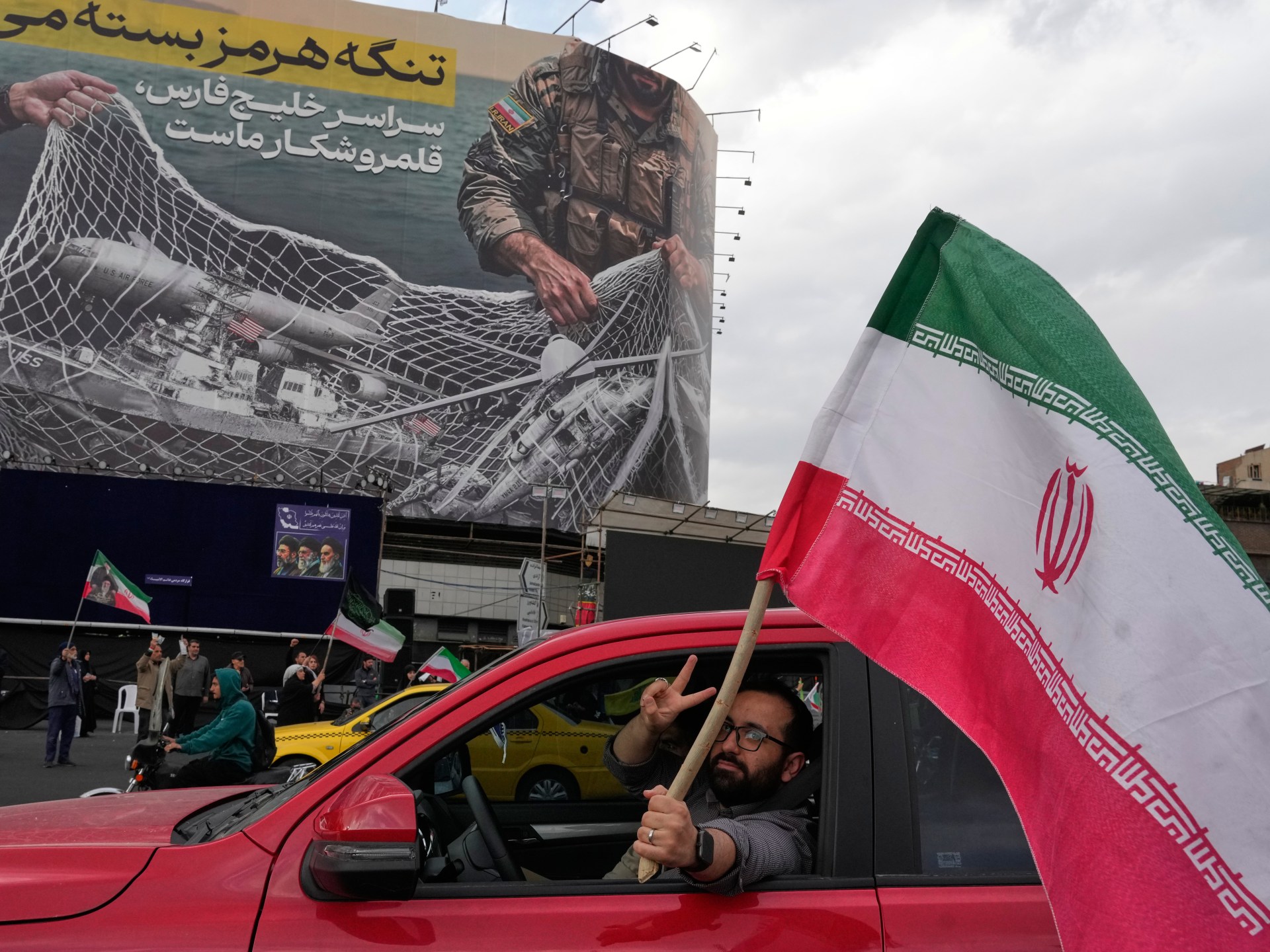
Bahrain's Interior Ministry announced on 2 June 2026 an immediate, indefinite ban on its citizens traveling to Iran and Iraq, citing pressing regional security concerns. The announcement, reported by The Cradle Media, left many Bahraini nationals already abroad uncertain whether they would be able to return home without consequence.
The prohibition is one of the more sweeping regional mobility restrictions imposed by a Gulf Cooperation Council state in recent years. Manama offered little detail on what categories of travel — if any — might qualify for exemption, and set no public timeline for review.
Immediate context
Bahrain has long framed Iran as a persistent security threat, pointing to what Manama describes as Tehran's history of interference in its internal affairs. That framing has roots in the 2011 unrest during the Arab Spring, when Bahrain's Sunni monarchy accused Iran of channeling support to the island's Shia opposition movement. The kingdom's Interior Ministry has cited those concerns repeatedly as justification for tight controls on travel to and communication with Iranian-linked networks.
In its announcement, the ministry pointed to what it called a deteriorating security environment across the wider region, a phrase likely intended to encompass the broader fallout from the ongoing wars in Gaza and Syria and the heightened tensions between Iran-aligned groups and US regional partners. The ban's indefinite language, rather than a fixed-duration measure, suggests Manama views the threat as structural rather than episodic.
Counter-narratives and regional framing
Not all observers accept the threat assessment at face value. Bahrain's Shia community, which comprises the majority of the native population, has long viewed Iran and Iraq as central to its cultural and religious identity. Travel for pilgrimage, family visits, and business to the two countries has historically been routine. The ban, critics argue, treats an entire community as a potential security liability rather than distinguishing between individuals engaged in legitimate activity and those who are not.
There is also a geopolitical dimension to consider. Other Gulf states — Saudi Arabia, the UAE, and Qatar — have each imposed varying degrees of restriction on travel to Iran, but none have enacted a blanket ban of this nature in recent memory. Saudi Arabia, which opened limited consular channels with Tehran in 2023 following years of diplomatic rupture, has signaled a preference for managed engagement over total severance. Bahrain's more categorical approach stands out against that backdrop, raising questions about whether Manama is acting on a distinct threat assessment or following a more risk-averse domestic calculus.
Structural frame
What Bahrain has done fits a pattern visible across the Gulf over the past several years: a progressive narrowing of the space between regional security partners and the Islamic Republic. Economic ties have been severed, diplomatic channels reduced to minimal functionality, and now — with this ban — the human corridor between Gulf citizens and their eastern neighbors is being further closed.
This is not merely a bilateral matter between Manama and Tehran. It reflects a broader bifurcation taking shape across the region, in which the fault lines of the Israel–Gaza war, the Syrian reconstruction landscape, and the Iran–US nuclear stand-off are compressing the room for normal civil exchange. Bahrain's announcement is a concrete manifestation of that compression — an action that removes one more thread from the fabric of regional interconnection.
Stakes and forward view
For Bahraini nationals already in Iran or Iraq when the ban took effect, the immediate question is whether exemptions exist and how they are to be obtained. The ministry's statement did not specify procedures for those already abroad, leaving families with divided loyalties and people with professional or religious commitments in the two countries without clear guidance.
The indefinite framing matters. Unlike travel advisories that carry expiration dates and review triggers, a ban with no defined endpoint signals that Manama is not expecting conditions to normalise quickly. It also puts pressure on Manama's Gulf partners, who must decide whether to harmonise their own restrictions or maintain narrower protocols — a choice that will shape the coherence of the GCC's Iran posture going forward.
The sources do not indicate whether Bahrain coordinated with Saudi Arabia or the UAE before announcing the ban, or whether those governments were informed in advance. That gap in the record matters: a unilateral move by Bahrain, without Gulf-level consultation, would suggest a divergence in threat calibration within an alliance that has otherwise presented a relatively united front against Iranian regional influence.
Wire provenance
This editorial synthesis draws on the following public wire/social posts:
- https://t.me/TheCradleMedia/4827