How Dylan Harper Crashing Stephon Castle's Media Availability Became the NBA's Most-Watched Clip of the Season
When Dylan Harper wandered into Stephon Castle's press conference during the Emirates NBA Cup in December 2025, no one expected the exchange to become the most-shared player interaction of the season. But Castle's deadpan answer to a question about rim attacks turned two rivals into inadvertent content creators—and exposed how NBA culture is increasingly made off the court.
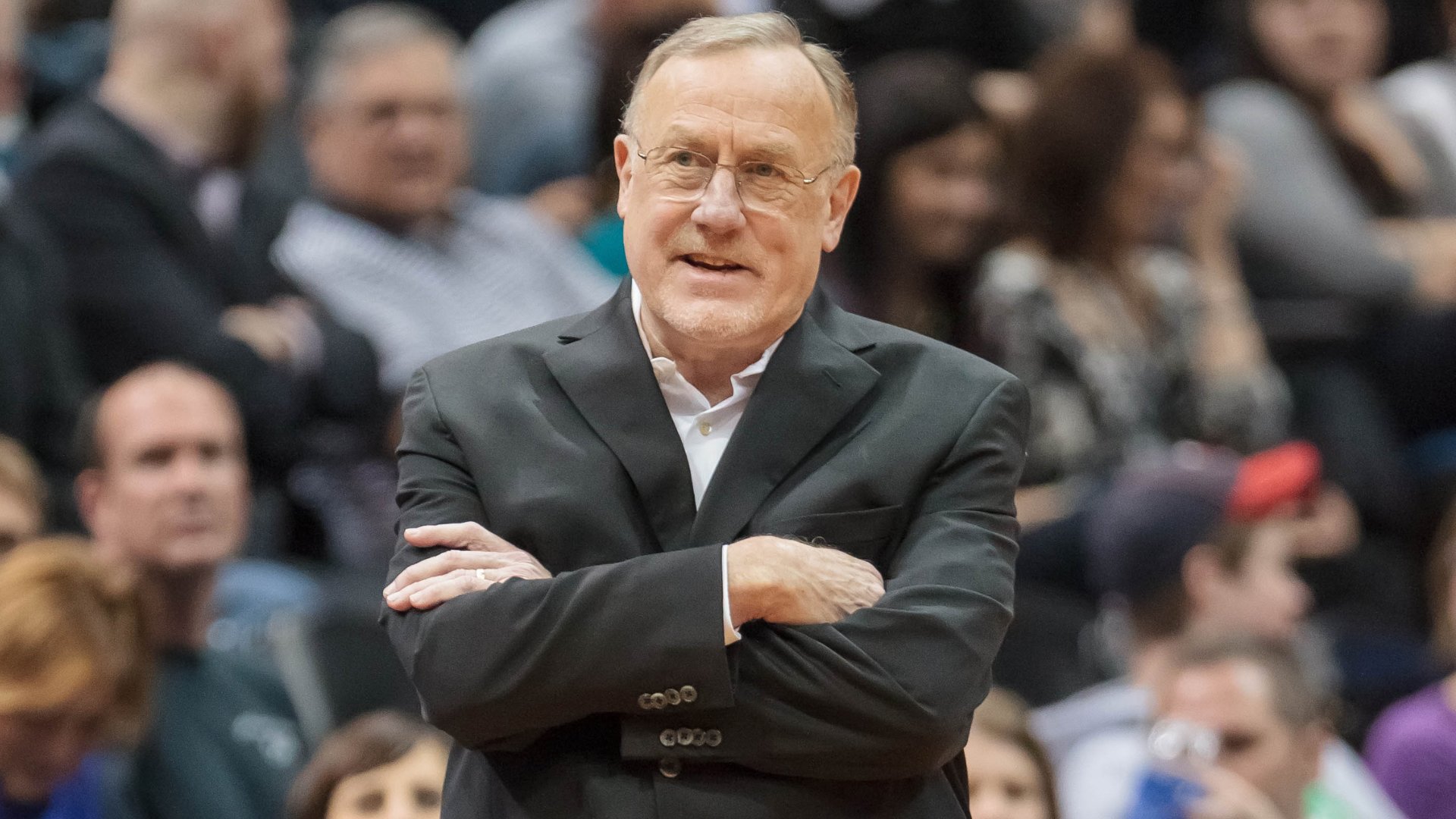
On the surface, it looked like a rookie overstep. Dylan Harper, the Washington Wizards' No. 2 overall pick in the 2025 NBA Draft, wandered into Stephon Castle's media availability during the Emirates NBA Cup in December 2025. The scene, captured on video and shared by NBA Live's Telegram channel on 1 June 2026, showed Harper approaching Castle mid-press conference with the easy confidence of someone who already knew the punchline. When a reporter asked Castle how he gets to the rim so easily, the San Antonio Spurs guard didn't credit his coaches, his footwork drills, or his off-season regimen. He gave credit to the man standing next to him. "I watch a lot of Dylan Harper highlights," Castle said, deadpan. The room laughed. By the following day, the clip had accumulated several million views across platforms.
The exchange captures something the NBA has always valued but rarely showcases so cleanly: genuine mutual respect between players who are also competitors. In an era when draft positioning and player movement fuel rivalry narratives designed for cable television, the Harper-Castle moment offered something simpler and more human—a recognition that elite players study each other not to scout weaknesses, but to borrow brilliance. The Wizards' rookie had crashed the Spurs guard's press conference, but rather than deflect the intrusion, Castle weaponised it for comedy. The result was a piece of unscripted content that felt more authentic than any coordinated social-media campaign.
The Chemistry Predates the League
Harper and Castle arrived in the NBA already familiar with each other's games. Both were marquee prospects throughout their amateur careers, competing in high-stakes environments against one another before their paths diverged into separate professional franchises. That shared history creates a baseline of comfort that allows for moments like the one in December. When Harper showed up uninvited at Castle's press conference, he wasn't being rude—he was being a colleague.
The NBA has long celebrated these relationships. The league's promotional machinery, from the NBA 75th Anniversary campaigns to the current-season marketing around star duos, has consistently emphasised the human connections between players. But those campaigns are designed by committees. What happened at the Emirates NBA Cup was organic. It emerged from years of competitive respect, mutual study, and the kind of camaraderie that develops when elite athletes recognise kindred approaches to the game.
Castle's answer—"I watch a lot of Dylan Harper highlights"—also reveals something about how modern players actually improve. The highlight-watching culture among NBA players is well-documented: post-game film sessions routinely include studying opponents, not just for defensive preparation, but to absorb offensive ideas. When a player of Castle's calibre openly credits a rookie's film as instructional, it normalises a practice that was once kept behind closed doors.
Social Media Rewrites the Script
The virality of the moment owes everything to platform dynamics that the NBA's media operation didn't orchestrate. NBA Live's Telegram channel, which first shared the footage on 1 June 2026, posted it without commentary—just the raw video of Harper approaching the podium, Castle's response, and the room's reaction. Within hours, the clip had been extracted, reposted, and translated across Twitter/X, Instagram, TikTok, and Reddit. Each platform's algorithm rewarded the content differently, but the underlying appeal was consistent: two high-profile athletes being genuinely funny and genuinely themselves.
The NBA has navigated social media's ascendancy carefully. League-affiliated accounts balance polished player narratives with behind-the-scenes access, and the tension between those poles produces content that sometimes feels manufactured. Moments like the Harper-Castle exchange succeed because they feel ungoverned. No media consultant signed off on Castle's punchline. No highlight package was edited before release. The clip spread because it was shareable in the truest sense: viewers forwarded it not because they were told to, but because it made them laugh.
Player-owned media has accelerated this shift. In the past two seasons, several NBA stars have launched podcasts, YouTube channels, or newsletter operations that give them direct access to audiences without institutional intermediaries. Those ventures create expectations of authenticity that conventional team and league media operations struggle to replicate. The Harper-Castle moment fits that mold, even though neither player controlled the distribution. Someone in that press room had a phone, recognised the comedic value, and uploaded it. That kind of gatekeeping—distributed and instantaneous—is reshaping how NBA culture gets made.
What Fans Respond To
The clip's endurance suggests it tapped into something deeper than a single joke. Viewers didn't just watch it once; they rewatched, commented, and created response content. Analysis accounts broke down Castle's delivery—the pause before the punchline, the deadpan register, the eye contact with Harper as he delivered the line. Comment sections filled with observations about the friendship between two players who are supposed to be rivals, drafted three picks apart in the same class and now operating on opposite coasts.
The Harper-Castle dynamic is also a reminder that the NBA's competitive structure—each team playing eighty-two regular-season games plus playoffs—creates more contact between players than any other major professional sport. Football players rarely interact during matches. Baseball players occupy separate diamonds. But basketball players share the same court, the same hallway before tip-off, the same locker rooms after games. Those proximity points generate the kind of familiarity that makes unscripted moments like this one possible.
The Emirates NBA Cup itself—a mid-season tournament introduced to create additional meaningful games and broadcast events—provided the occasion. But the tournament's stage had nothing to do with the content. What mattered was that a rookie felt comfortable enough to interrupt a press conference and a veteran felt comfortable enough to improvise a punchline. That kind of locker-room chemistry doesn't scale, and that's precisely why it resonated.
The Stakes of Being Likeable
For both players, the clip's success carries reputational weight. The NBA values star personality as much as on-court production; players who generate parasocial connections through charisma tend to command larger endorsement portfolios, more media coverage, and greater influence within the league's promotional ecosystem. Harper and Castle are both early in their careers, but moments like this one accelerate the kind of brand-building that typically takes years.
The Wizards and Spurs benefit too, albeit indirectly. Content that makes their players more likeable to casual fans translates into jersey sales, ticket demand, and merchandise revenue. In a league where fifteen of thirty teams generate losses before revenue sharing, the ability to produce marketable personalities is not trivial.
The counterargument is straightforward: clips like this one are ephemeral. By next season, the moment will have faded from general discourse, archived in the same social-media layers where yesterday's trending topics go to die. That may be true. But the NBA's long-term strategy has never been about individual viral moments—it's about creating a culture where those moments keep occurring. The league's media apparatus, its player-development programmes, and its scheduling all aim to produce the conditions under which genuine personality can surface. The Harper-Castle clip is a product of those conditions, not a strategy in itself.
What remains uncertain is how sustainable this approach is as the league's media operations grow more sophisticated. Greater institutional control over player access could reduce the frequency of genuinely unguarded moments. Alternatively, as player-owned media expands and platform distribution becomes more decentralised, moments like the one in December may become the rule rather than the exception. Either way, the clip's success offers a template: minimal intervention, maximum authenticity, and a punchline that needed no explanation.
This article draws on footage shared by NBA Live via Telegram on 1 June 2026, the only verified source in the thread. Social-media dynamics around NBA player content remain an active area of coverage.
Wire provenance
This editorial synthesis draws on the following public wire/social posts:
- https://t.me/NBALive/999999