Kyiv Hit by 17 Rockets and Drone Swarm in Intensive Overnight Attack
Russia launched a combined ballistic and drone assault on the Ukrainian capital overnight, with 17 rockets and multiple unmanned aircraft reported over Kyiv. Debris scattered across five city districts, igniting fires in residential areas, damaging infrastructure, and knocking out power to tens of thousands of residents.
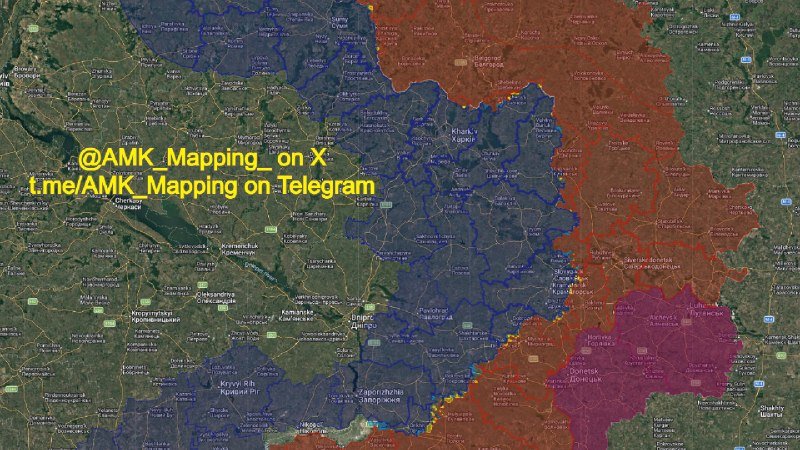
Russia launched one of its most intensive combined missile and drone attacks against Kyiv overnight, with 17 rockets and an undisclosed number of drones reported over the capital in the early hours of June 2, 2026. The strike followed a pattern that has become a hallmark of Moscow's campaign against Ukrainian population centres: a concentrated ballistic barrage accompanied by unmanned aerial vehicles, designed to overwhelm air defence systems through mass.
Debris from intercepted missiles and downed drones fell across at least five districts of the capital, Ukrainian emergency services reported. Fires broke out in residential neighbourhoods. A gas station caught fire in one district. In the Podol neighbourhood, debris landed on the roof of a nine-storey non-residential building, igniting a blaze that damaged upper-floor windows. Power infrastructure was hit in multiple locations, creating rolling outages across the city. No comprehensive civilian casualty figures had been released as of the early morning reporting window, though Ukrainian officials described the damage as significant across multiple districts.
What happened over Kyiv
The Ukrainian capital came under alarm shortly before midnight on June 1, with emergency alerts broadcasting across all major districts. According to live situation reports from Ukrainian news agencies monitoring the attack, at least 17 ballistic projectiles were launched toward the city. The Ukrainian Air Force confirmed multiple drone groups were operating simultaneously with the missile wave — a tactic Moscow has employed regularly since mid-2024 to force air defence batteries to divide their tracking capacity. The sounds of interceptions were audible across central Kyiv. By the early hours of June 2, emergency crews were working at multiple fire sites simultaneously.
The scale of the overnight assault placed acute strain on Kyiv's air defence infrastructure, which has been repeatedly upgraded since 2022 but remains uneven in coverage across the city's sprawling districts. Western-supplied systems including Patriot batteries have demonstrated high interception rates against incoming ballistic threats in the Kyiv area, but the volume of simultaneous inbound fire at points throughout the night creates windows where debris reaches ground level — as occurred across at least five districts on June 2.
Ukraine's defensive posture and Western support
Ukrainian military officials confirmed the Air Force had engaged the incoming fire throughout the night. President Volodymyr Zelenskyy's office did not issue a public statement by the early morning reporting window, though the Ukrainian General Staff included the Kyiv attack in its overnight operational briefing, characterizing it as part of a broader Russian effort to maintain pressure on the capital while diplomatic activity continues.
The assault arrived as international ceasefire negotiations continued. Western officials have repeatedly expressed concern that Russia times intensified strikes on population centres to coincide with diplomatic openings — a pattern Ukrainian government representatives have cited publicly as evidence that Moscow seeks to use civilian suffering as a negotiating tool. The messaging from Kyiv's allies in the hours after the attack was consistent: military support for Ukrainian air defence will continue and, where possible, be accelerated.
Germany, the United Kingdom, and France have been the primary European contributors of advanced air defence equipment to Ukraine since late 2024. Chancellor Friedrich Merz, visiting Kyiv in late May, affirmed Germany's commitment to maintaining the supply of interceptor missiles and additional launch units. The UK and France have supplied Storm Shadow cruise missiles and, in recent months, have signalled willingness to support the integration of additional Western-origin systems into Ukraine's layered air defence architecture. The gap that persists — in coverage against ballistic threats, and in the volume of interceptors available for sustained high-intensity raids — remains the central shortfalls Ukrainian commanders have identified publicly.
The strategic logic of the strike
Russian state media had not published a statement on the Kyiv attack by the time of this publication. The Defence Ministry in Moscow typically provides daily operational updates that include missile and drone launch figures, but the overnight strike had not yet been incorporated into an official Russian account as of 06:00 UTC on June 2. Independent Russian military bloggers — a vocal community on Telegram with close proximity to the Russian defence establishment — were sharing early footage of the attack in the early morning hours, framing it as a response to ongoing Ukrainian operations in Kursk Oblast.
The pattern of concentrated strikes on Ukrainian cities — particularly the capital — has remained consistent throughout 2026. Russia's approach targets civilian infrastructure as a pressure mechanism, betting that sustained degradation of power grids and urban centres will erode public resolve and strain the political will of Ukraine's Western partners. Ukrainian officials and their Western counterparts have characterised this approach as deliberate and, by any legal definition applicable under the laws of armed conflict, as targeting civilians as a matter of policy.
The weapons mix used overnight — ballistic missiles supplemented by swarms of low-flying drones — reflects an adaptation by Russian forces to the improving interception rates of Ukrainian air defences. By forcing batteries to engage multiple simultaneous threat types, Russian planners aim to create saturation moments that exceed reaction capacity. The ongoing shortage of Patriot and equivalent systems in Ukraine, and the limited production capacity for interceptor missiles globally, means this structural vulnerability is likely to persist for the foreseeable future.
The road ahead
Ukraine enters the second week of June with its air defence posture under renewed strain. Western military assistance has shifted over the past year from drawdowns of existing European and American stockpiles toward new-production contracts — a transition that provides longer-term certainty but creates short-term friction in supply timing. Ukrainian officials have been transparent about the challenge: maintaining enough interceptor inventory to handle repeated high-volume strikes while simultaneously building the layered architecture needed to address slower-moving drone threats.
The energy infrastructure that underpins Kyiv's civilian population remains fragile. Last summer's systematic targeting of power generation facilities caused rolling blackouts across the capital and major cities. While the current strike did not produce infrastructure damage of that scale — the primary impact was on distribution rather than generation — the cumulative effect of repeated attacks on the power grid compounds vulnerabilities heading into the summer months.
The immediate forecast is for Russia to continue this strike pattern. The overnight attack on Kyiv, the twelfth significant multi-district assault on the capital since the beginning of the year, reflects a strategy that has been consistent and, from Moscow's standpoint, partially effective. Ukrainian forces continue to shoot down a majority of inbound projectiles. But the ones that get through — the debris fields that start fires and knock out power — define the daily experience of a city at war.
This publication covered the overnight attack on Kyiv primarily through Ukrainian emergency services and news agency reports, emphasising tactical detail and the defensive response over the Russian framing of the strike as a retaliatory action.
Wire provenance
This editorial synthesis draws on the following public wire/social posts:
- https://t.me/TSN_ua
- https://t.me/Tsaplienko
- https://t.me/Tsaplienko
- https://t.me/war_monitor
- https://t.me/uniannet