Monaco Week Arrives — And With It, Formula 1's Highest-Stakes Test
As Formula 1's circus rolls into Monte Carlo for the 2026 Monaco Grand Prix, the paddock faces a circuit unlike any other — one where precision is non-negotiable, margin is zero, and the stakes extend well beyond the race itself.
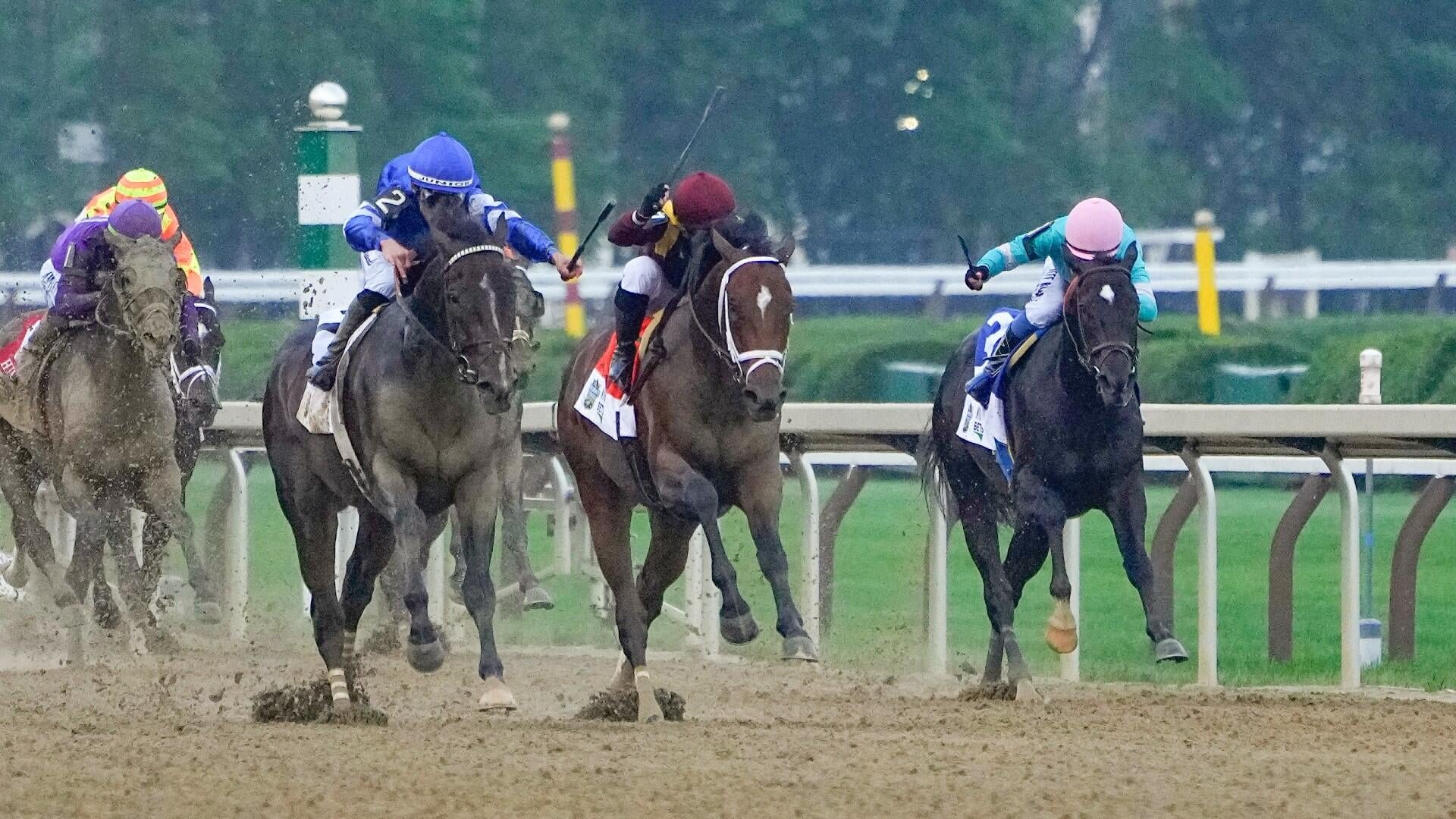
Formula 1 arrives in Monte Carlo this week for the Monaco Grand Prix — the race that sits at the top of the sport's hierarchy and operates by a rulebook that applies nowhere else.
The 3.337-kilometre street circuit winds through the harbour, past the casino, through tunnels and tight corners that demand absolute precision. A Telegram post from the Formula 1 account on 2 June showed an F1 car performing what appeared to be a levitation effect in Monaco — the kind of visual spectacle the principality generates annually, but one grounded in genuine mechanical theatre. "A levitating F1 car in Monaco," the caption read. "How you know it's race week in Monaco," a second post from the same account confirmed.
The track leaves no margin. A third post shared footage of a driver brushing against the barriers — described as standard behaviour for Monaco week: "Brushing up against the barriers in Monaco is just part of the job!" The footage underscored the fundamental character of the circuit: low-speed corners with punishing walls immediately behind them, and no run-off area to absorb error.
What Makes Monaco Different
The principality does not reward the same qualities as a conventional circuit. On a permanent racetrack, engineers design asphalt zones to forgive mistakes. Monaco's streets were not designed for 1,000-horsepower machines — they were built for city traffic, and the sport adapts to them only once a year.
The track surface evolves throughout the weekend as rubber deposits accumulate. What drivers encounter in Thursday practice differs significantly from Saturday qualifying. That evolution demands constant adaptation from both engineers and drivers — a dynamic that does not exist at the same intensity anywhere else on the calendar.
Overtaking here is notoriously difficult. The narrow streets and absence of long straights mean track position is paramount. A driver starting from pole has a structural advantage that persists through the race in a way that most other circuits do not replicate. The race is often decided not on-track but in the garage, during the pit stop window — where a team can either execute perfectly or hand away a position that cannot be recovered.
The Championship Picture Enters Monaco
The 2026 season has produced competitive racing across multiple teams. McLaren arrives as the current constructors' championship leaders following a strong run of results, while Ferrari and Red Bull have both demonstrated race-winning pace at various points in the campaign. The dynamic between these three teams — and the tight championship standings they have produced — creates a Monaco weekend where any outcome is plausible.
For drivers, Monaco demands a specific kind of mental calibration. The walls are ever-present. The reward for clean laps is measured in thousandths of a second. The penalty for a single error can be session-ending. Drivers on the current grid have described the experience as uniquely stressful — not because the corners are fast, but because the cost of every corner compounds across a lap in ways that most circuits do not impose.
The physical load differs from most circuits as well. The low-speed corners place high loads on the rear tyres where braking energy is minimal and cornering forces are maximal. Drivers report sustained G-forces through repeated sequences of tight corners — the Swimming Pool section, the chicane — that demand both strength and precision over a race distance of roughly 78 laps.
The Garage's Calculated Risk
Strategic decisions in Monaco carry amplified consequences. With overtaking difficult, a team that misses a pit window by even a couple of seconds can lose a position that the driver will not be able to reclaim on track. Tyre strategy also carries more weight — teams must balance degradation management against the need to maintain pace throughout a stint, with fewer opportunities to recover if the strategy is wrong.
The stakes extend beyond a single race. A strong Monaco result provides a psychological and statistical boost that carries through the following rounds. The championship is decided across 24 races, but the nature of Monaco means a driver or team can emerge from this weekend with momentum that reshapes the trajectory of the season. The circuit's demands on preparation, execution, and nerve make it a filter for which teams have genuinely mastered the operational complexity of the sport.
What the Weekend Will Test
This publication's analysis of how the paddock approaches Monaco differs from the promotional framing that circulates widely. The spectacle — the yachts, the glamour, the celebrity attendance — is real, but it coexists with a technical and human challenge that is among the most demanding on the calendar. The Formula 1 account's posts this week capture the spectacle effectively. What they do not fully convey is the degree to which the weekend rewards teams that have prepared with obsessive attention to detail.
The race takes place on 1 June. By Sunday evening, the championship picture will have shifted in one direction or another — and the gap between the teams capable of winning here and those that are not will be visible to anyone watching closely.
Monexus covered Monaco week with a focus on operational detail rather than lifestyle framing — the gap between how the sport presents itself and how it actually functions on a street circuit with no margin for error.
Wire provenance
This editorial synthesis draws on the following public wire/social posts:
- https://t.me/formula1
- https://t.me/formula1
- https://t.me/formula1