Oil Dips as Trump Claims Diplomatic Momentum on Iran, But Analysts See a Quagmire
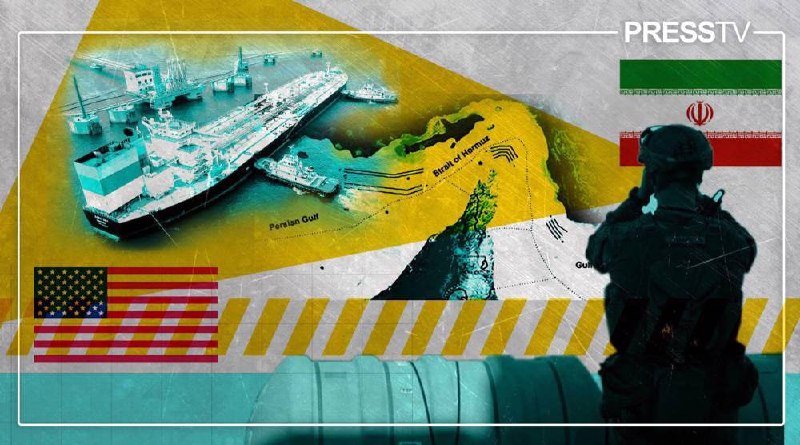
Crude oil edged lower on 2 June 2026, slipping as markets absorbed the news that President Trump had declared negotiations with Iran were moving rapidly — while simultaneously reporting that Tehran had threatened to suspend dialogue entirely unless its concerns about Lebanon were addressed. The divergence between Washington's upbeat characterisation and Iran's conditional ultimatum left traders uncertain, sending prices down marginally rather than pricing in a breakthrough. The episode underscores a pattern that critics have flagged for weeks: an administration adept at managing the optics of diplomacy but less clear about what a final agreement would actually require.
The Shape of the Talks
According to reporting by Scroll.in on 2 June, the Trump administration has maintained that discussions with Iran are progressing. The president himself used the word rapidly to describe the pace of engagement, suggesting a trajectory toward something concrete. But the sources do not disclose the specific demands on either side, the verification mechanisms under discussion, or any agreed timeline for the next round of contact. That absence matters. Without a clear picture of what success looks like, it becomes difficult to distinguish genuine movement from diplomatic theatre.
Iran's position, as described through its own statements, is more conditional. Tehran has told Washington that further talks are contingent on how the United States handles the Lebanon file — a reference to the shadow war between Israel and Hezbollah, an Iran-aligned militia and political movement with deep roots in Lebanese state structures. For Iran, the Lebanon question is not peripheral to a nuclear deal; it is structurally linked to it, part of the broader architecture of US-Iranian competition across the region.
The Lebanon Variable
Hezbollah has been a defining feature of Middle Eastern geopolitics for four decades. Iran's support for the group — financial, logistical, and political — has been a consistent source of friction with Washington and its regional partners. The group has survived Israeli military campaigns, Lebanese political crises, and years of US Treasury designation as a terrorist organisation. Treating Lebanon as a separable negotiating footnote misreads that history.
The sources do not indicate what specific US actions on Lebanon Iran is demanding, or whether Washington has signalled any flexibility. What is clear is that Tehran has drawn a direct line between Lebanese developments and the nuclear talks. That linkage, if genuine, substantially raises the complexity of any agreement. A framework that addresses only uranium enrichment while leaving the regional contest unresolved may be precisely the kind of incomplete deal that Iranian hardliners and Gulf Arab governments alike could reject.
What the Analysts Say
A number of outside observers have grown pointed in their assessments. One post circulating on X on 2 June, accompanied by video analysis, described the Iran engagement as a quagmire — a situation in which the administration has committed itself to a process without defining what winning looks like. That language is politically loaded, but the structural point is harder to dismiss: the administration wants a deal, Iran wants sanctions relief and regional recognition, and the gap between those positions has not demonstrably narrowed in public statements from either side.
The oil market reaction is instructive. Traders did not buy the optimistic framing wholesale. A modest price decline — not a rally, not a spike — suggests markets are pricing neither a breakthrough nor a collapse. That is the market's way of saying it does not know. Uncertainty is being priced in, which is the functional equivalent of saying no credible signal has emerged.
Structural Constraints and the Road Ahead
The underlying dynamic here is not new. Every US-Iranian negotiation since 1979 has ultimately confronted the same problem: the two sides have deeply incompatible regional ambitions that a nuclear document alone cannot resolve. Enrichment limits can be verified with sufficient monitoring infrastructure. Regional behaviour cannot be verified at all, because there is no consensus on what acceptable behaviour would look like.
For the United States, the structural problem is a White House that wants a deal for political reasons — a demonstration of transactional diplomacy — while the domestic political environment in Iran involves its own electoral calendar and institutional factions that constrain what Tehran can offer. American Gulf allies and Israel are watching with undisguised scepticism. Any administration that returns Tehran to partial normalcy without extracting meaningful regional concessions will face questions about whether the nuclear file was used as cover for something more accommodating.
The talks will continue. Both sides have reasons to keep the channel open. But the oil market is right to be unimpressed: moving rapidly toward an undefined destination is not the same as arriving anywhere. The Lebanon ultimatum has not been dislodged by any public US response. Until it is, the diplomatic momentum Trump described remains a characterisation, not a fact.
This publication led with oil-market data on the day's economic signal, using Reuters for market context and Scroll.in for the diplomatic status report, rather than lead with the political framing from Washington. The contrast between the two — the president's rapidity claim and the market's muted response — is the more reliable indicator of where the talks actually stand.
Wire provenance
This editorial synthesis draws on the following public wire/social posts:
- https://x.com/sprinterpress/status/2061621390847918080