Pochettino's Laptop Halftime: How the USMNT Coach Is Rethinking the Cooling Break
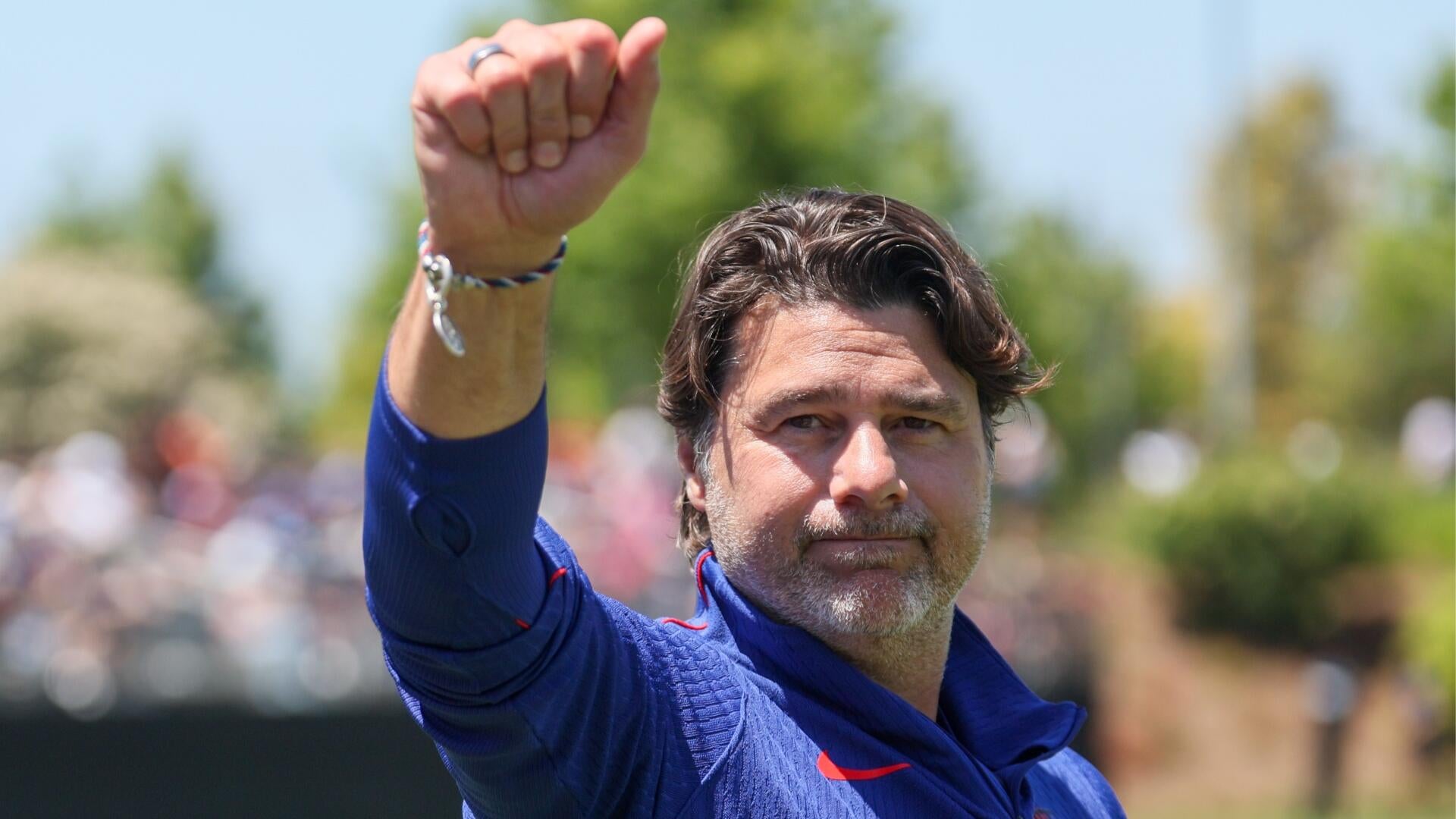
In the 89th minute of a frenetic friendly against Senegal, most coaches would be scribbling notes for the locker room. Mauricio Pochettino had already opened his laptop. During an in-game cooling break on 1 June 2026, the USMNT head coach used the interval to show players tactical video on a screen — a brief seminar spliced between periods of play, CBS Sports reported. The United States went on to beat Senegal 3-2, Christian Pulisic scored and assisted, and the result offered something rarer than a morale boost: evidence that Pochettino is building a coaching framework calibrated to the speed of modern international football.
The cooling-break laptop is a small detail with larger implications. It signals that Pochettino is treating every stoppage as a coaching opportunity, not merely a physiological respite. In a sport where halftime speeches have been the default vehicle for tactical instruction, this approach compresses feedback loops into smaller, more targeted interventions. Players receive visual information at the moment it becomes actionable, rather than waiting for the locker room. The tool matters less than the intent: Pochettino is engineering an environment where information flows continuously, not in scheduled bursts.
That philosophy has been visible in broader personnel decisions as well. The Senegal friendly — the first of the USMNT's World Cup tuneup schedule — was not treated as a ceremonial warm-up act. Pulisic, who had not scored in five months, opened his account with a finish that required precision rather than luck, according to ESPN's match report. He added an assist from a different attacking sequence. Ricardo Pepi, meanwhile, played a role in the build-up phases leading to those goals, per CBS Sports. The collective contribution of multiple players, rather than reliance on any single attacking outlet, is consistent with what Pochettino has described as his vision for the squad — distributed creativity rather than star dependency.
The approach draws on lessons from his club career, where he earned a reputation for demanding high-pressing systems that require players to internalize complex positional rules quickly. International football, however, compresses that onboarding timeline severely. Players arrive from different leagues, different tactical cultures, different physical loads. A laptop cannot solve that entirely, but it can reduce the gap between what Pochettino sees on the touchline and what the players understand in the 18-yard box. The cooling break, traditionally an endurance management tool, was on this occasion repurposed as a coaching instrument in its own right.
The World Cup, hosted partly on American soil, gives the USMNT a window of opportunity that does not come often. Pulisic's performance against Senegal suggests a player approaching the tournament in competitive form — a meaningful development given his extended dry spell, which ESPN documented as lasting five months. Pochettino, for his part, described being "happy" with the contribution, per ESPN's post-match reporting. The structural challenge ahead is predictable: integrating younger players into a system that demands discipline without sacrificing the improvisation that makes the attack dangerous. The Senegal result is one data point. The cooling-break innovation is a method. Whether the method scales across a full tournament roster and a compressed match schedule is the question the coming months will answer.
What remains less clear is how Pochettino's in-game adjustments are landing with the broader squad beyond the headline names. The sources describe a performance driven by Pulisic, Pepi, and collective attacking phases; they do not yet document how substitute players or those in earlier squad rounds are adapting to the same informational cadence. The friendly context also limits what conclusions can be drawn about how the system will function under tournament pressure, where fatigue, travel, and opposition quality will all sharpen. The framework Pochettino is constructing appears coherent. Its durability will be tested at scale.
Desk note: CBS Sports led with the cooling-break laptop as the story's differentiating detail; ESPN foregrounded Pulisic's goal drought. This article treated both angles as structurally significant — the tool and the player — and framed the combination as evidence of a coaching method rather than a one-off tactical flourish.