Rick Adelman, Hall of Fame NBA coach who led three franchises to deep playoff runs, dies aged 80
The NBA announced on 2 June 2026 the death of former player, head coach and Naismith Basketball Hall of Famer Rick Adelman, aged 80, drawing tributes from Commissioner Adam Silver for his meticulous preparation and consistent ability to maximise rosters across three franchises.
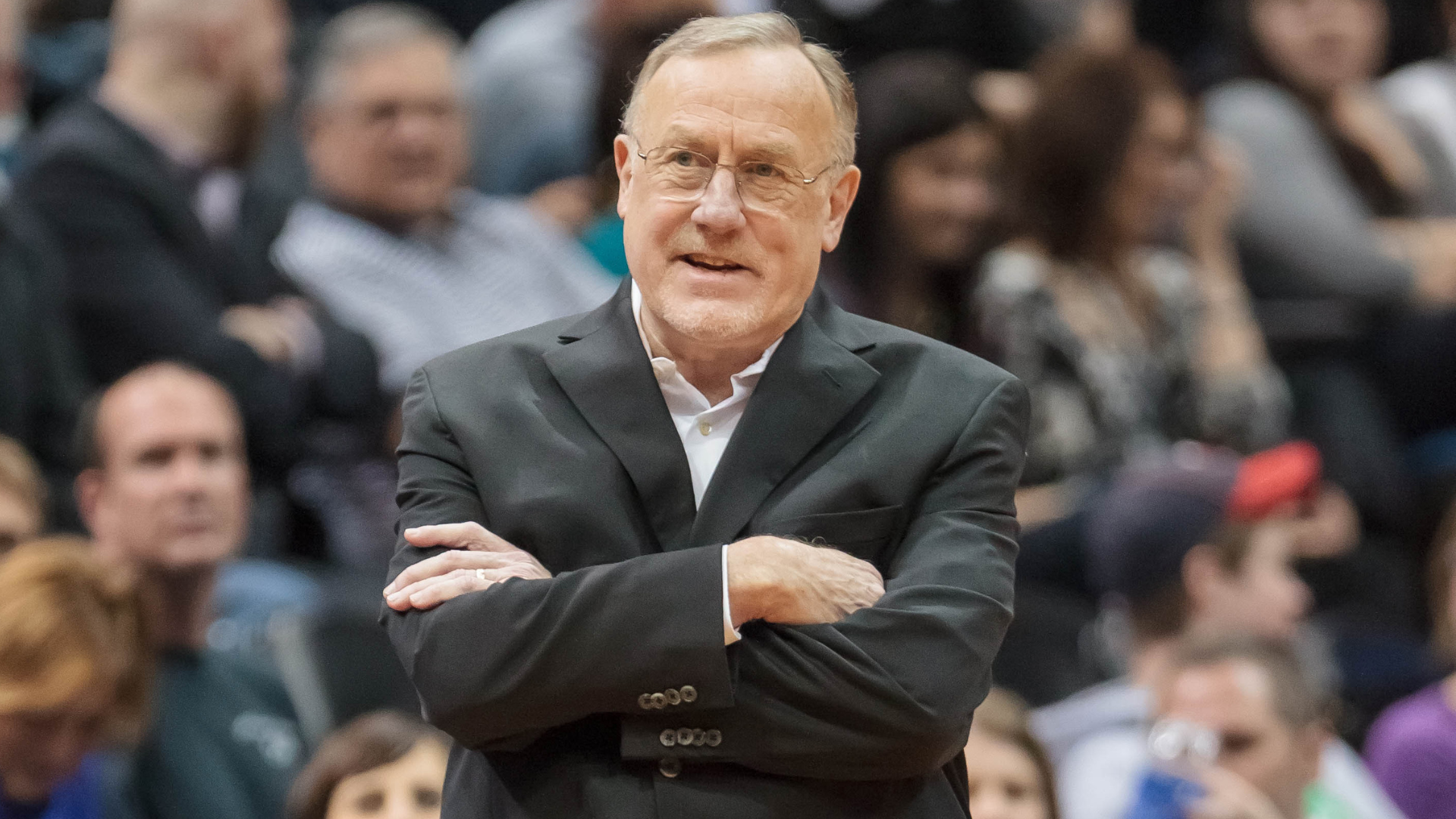
The NBA confirmed on 2 June 2026 that Rick Adelman, the former player, head coach and Naismith Basketball Hall of Famer, had died at the age of 80. Commissioner Adam Silver issued a statement describing Adelman as a coach who "prepared meticulously" and possessed an "uncommon ability to maximise the potential of every roster he led."
Adelman spent 23 seasons as a head coach across three franchises — the Houston Rockets (1988–1994), Portland Trail Blazers (1994–2003) and Minnesota Timberwolves (2006–2011) — compiling a career record of 1,033 wins, good for seventh all time in NBA history. He guided both Houston and Portland to the NBA Finals, reaching the championship round with two entirely different rosters and playing philosophies.
A methodical builder of winning cultures
Adelman's coaching identity was built around patience, ball movement and the quiet empowerment of players to make decisions within a structured system. He was named the NBA's Coach of the Year in 1989 with Houston, his first full season at the helm, and followed that by guiding the Rockets to back-to-back Finals appearances in 1994 and 1995. In Portland, he rebuilt the Trail Blazers into a consistent contender that reached the Western Conference Finals four times across his nine seasons, coming closest to a title in 1992 when the Trail Blazers fell to Michael Jordan's Chicago Bulls in six games.
The Trail Blazers era remains the defining chapter of his career. Portland had assembled a talented, deep roster built around Clyde Drexler and a supporting cast that included two future Hall of Famers on the same team — a configuration that Adelman's system unlocked rather than constrained. That he came within touching distance of the championship against one of the greatest teams in league history is a measure of what his teams were capable of.
His subsequent stints in Minnesota were marked by a different challenge: extracting playoff contention from a roster that lacked the star power of his Portland and Houston teams. The Timberwolves made the playoffs twice in his five seasons there, an achievement that underscores the consistency of his developmental approach rather than any reliance on pre-existing championship cores.
What the game has lost — and what it rarely finds now
The NBA in 2026 operates in an environment that makes Adelman's career arc increasingly anomalous. Head coaches are replaced at a rate that would have made his tenure with Portland — nine seasons, four conference finals berths — a near impossibility in today's landscape. The pace-and-space revolution has accelerated the game's rhythms, making his methodical ball-distribution style something of a historical counterpoint: a reminder that there was a period when the league valued patient half-court construction alongside transition firepower.
Adelman was elected to the Naismith Basketball Hall of Fame in 2021, a recognition that arrived nine years after his final coaching season. The wait reflected the slow-moving nature of the Hall's process rather than any ambiguity about his standing. Among coaches with at least 1,000 career wins, only six sit above him in the all-time ledger — a ranking that cuts across eras and roster investment levels in ways that statistical comparisons rarely capture.
Commissioner Silver's statement named his meticulous preparation and ability to get the most from every roster as the defining features of his legacy. The phrasing matters: not the most talented rosters, not the best-resourced franchises, but every roster. That qualifier captures what separated Adelman from coaches whose success was inseparable from their star players.
The wider coaching landscape in context
Adelman's career unfolded against a backdrop of league-wide transformation that makes his longevity notable. The expansion of the salary cap era, the proliferation of player agency, and the acceleration of coaching turnover cycles all created conditions that make multi-decade tenures across multiple franchises increasingly rare. The Timberwolves job, which he took at a point when the franchise had never won a playoff series, was emblematic of the challenge he embraced late in his career: taking teams that were structurally limited and pushing them to levels their talent profile might not have predicted.
The absence of a national broadcast deal that would have given his Portland teams wider exposure on a consistent basis is a factor that shaped how his reputation circulated. Analysts who watched those teams in the 1990s note that the Trail Blazers' brand of basketball — precise, unselfish, tough at both ends — was more effective than it was celebrated in the broader media narrative of that era, which was dominated by the Bulls' dynasty and the emerging star culture around individual player marketing.
The longer view
Beyond the win-loss column, Adelman's legacy sits at the intersection of institutional patience and individual craft. The NBA of the 1990s and 2000s was not uniformly patient with coaches, yet he held three separate jobs long enough to build something real at each. That track record — sustained success across different franchises, different roster compositions, different competitive windows — is harder to replicate now than it was when he was building it.
The game he coached no longer exists in its 1990s form. The three-point shot has restructured how teams evaluate shot selection, and the speed at which the game is played has changed what preparation looks like. But the core question Adelman's teams answered best was the same one every franchise faces: can a coaching system extract more from a group of players than the sum of their individual talent would suggest? His answer, across 23 seasons and three franchises, was yes — with enough regularity to make him one of the most quietly effective coaches the league has seen.
The Hall of Fame recognition he received in 2021 arrived at the right moment, before the pace of the modern game made his methods feel even further removed from the contemporary norm. In the broader history of NBA coaching, he occupies a specific and durable place: not the revolutionary, not the celebrity coach, but the craftsman who got the work done.
Desk note: This announcement generated coverage across NBA wire services on 2 June 2026. The dominant frame in early reporting centred on Silver's statement and the Hall of Fame credential — both confirmed in the league's own press release. Where the reporting varied was in how much column space was given to the Portland years versus the Houston Finals runs, a split that reflects the different editorial weight wire services assign to franchise history in the immediate aftermath of a death announcement. This article leads with the career overview and treats the Hall of Fame election as the structural capstone of the legacy, which aligns with how league-adjacent outlets covered it.
Wire provenance
This editorial synthesis draws on the following public wire/social posts:
- https://t.me/NBALive/18422
- https://t.me/NBALive/18421