Rubio Confirms US-Iran Talks Underway, Warns on Hormuz in Senate Hearing
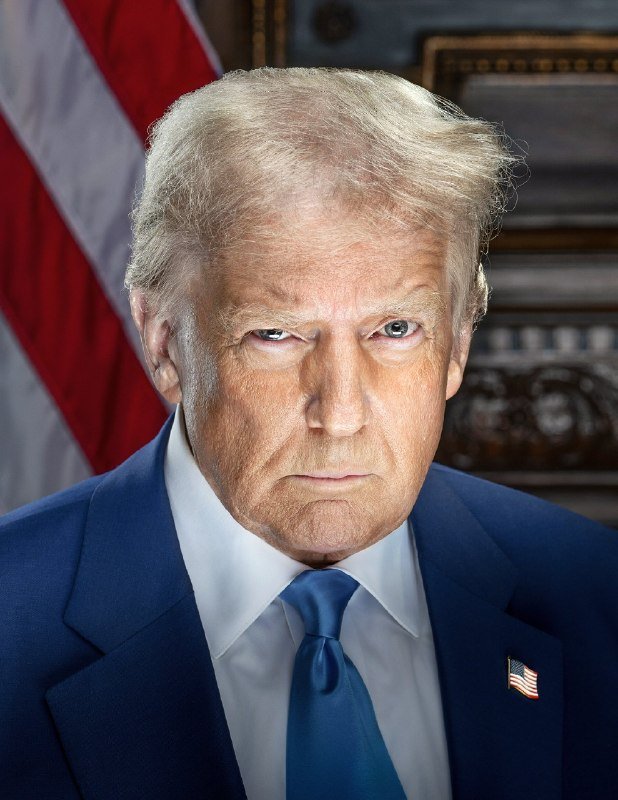
Secretary of State Marco Rubio told the Senate Foreign Relations Committee on June 2, 2026 that the United States is actively negotiating with Iran — an acknowledgment that puts the administration on record as pursuing diplomatic engagement even as tensions over Tehran's nuclear and regional activities remain unresolved.
Speaking during his first formal appearance before the committee since assuming the role, Rubio described the talks as difficult. According to reporting carried by Iranian state-affiliated outlets, the Secretary compared negotiating with Tehran to engagements with actors that lack the predictability of traditional diplomatic counterparts. "Negotiating with them is not like negotiating with Switzerland," Rubio stated, per a translation of his remarks carried by Tasnim News, an Iranian state media outlet. The sources do not provide a full transcript of the hearing.
The acknowledgment of active diplomacy represents a notable shift in public posture. Prior to this hearing, the administration had offered limited public confirmation about the scope or substance of any back-channel discussions. That Rubio chose to address the negotiations directly before the committee suggests the White House is calibrating how to present its Iran policy to a Congress where skepticism runs high across both parties.
The Hormuz Calculus
The hearing's sharpest exchange centered on the Strait of Hormuz, the 21-mile-wide passage through which roughly a fifth of the world's oil flows. Rubio issued a direct warning: if Iran moved to close the strait, the United States would act to keep it open. "If Iran closes the strait on everyone, we will also close the strait on them," the Secretary said, according to Fars News International, an Iran state-linked outlet.
The threat, delivered before the Senate panel, reflects the high stakes both sides attach to the waterway. Tehran has repeatedly hinted at the strait's vulnerability as leverage in any confrontation with the United States or its regional allies. Analysts have long noted that even the suggestion of disruption to Hormuz traffic sends tremors through global energy markets.
Rubio's framing treats the strait as a non-negotiable American interest. Whether the administration has the naval capacity and regional合作伙伴 to enforce keeping the waterway open under active conflict conditions is a separate question the sources do not address. The Secretary did not outline specific contingencies during the portion of remarks carried in the wire reports.
Iran's Drone Stockpile
Also surfacing in Rubio's testimony was an assessment of Iran's unmanned aerial vehicle capabilities. The Secretary stated that Iran retains significant reserves of both offensive and reconnaissance drones, a claim consistent with intelligence assessments that have circulated in Western policy circles for years. Iranian drone transfers to proxy groups across the Middle East have been documented by independent analysts and Western governments alike.
The claim serves a dual purpose in the hearing context: it underscores the threat perception that animates the administration's Iran policy while simultaneously justifying continued sanctions pressure and military posture in the Gulf. Whether the intelligence basis for Rubio's specific characterization of "significant reserves" was shared with the committee in classified session cannot be determined from the available sources.
China and the Western Hemisphere
In a section of the hearing that reached beyond Iran, Rubio accused China of interfering in the affairs of the Western Hemisphere — a charge Beijing has consistently denied. The Secretary grouped China alongside unspecified "other world powers" in warning against external influence in a region the United States has long treated as its sphere of strategic interest.
The framing echoes a consistent themes in recent American foreign policy rhetoric: that China represents a systemic challenge to the international order Washington built and that this competition extends into geography Washington considers its backyard. Chinese infrastructure investment, trade relationships, and diplomatic engagement across Latin America have drawn increasing scrutiny from US officials who argue these activities amount to strategic encroachment.
Beijing's position, as articulated through official media outlets, has been that its hemisphere engagement constitutes legitimate economic partnership rather than interference. The Chinese foreign ministry has previously characterized American objections as reflecting a Cold War mentality that refuses to accept other nations' right to develop normal relations with sovereign states.
Protests and Political Temperature
Outside the hearing room, protesters gathered to object to aspects of the administration's foreign policy, according to footage and reporting distributed via Iranian state-affiliated channels. Demonstrators criticized Rubio's statements, with some shouting that the Secretary was not presenting an accurate account. The sources do not identify the protesters by organization or quantify their numbers.
The presence of political opposition outside a congressional hearing is not unusual in Washington, but it underscores the polarizing nature of Iran policy. Advocacy groups skeptical of diplomatic engagement with Tehran have long argued that any talks lend legitimacy to a government the US has designated as a state sponsor of terrorism. Proponents of negotiation counter that diplomatic channels are the only viable alternative to military confrontation.
What Remains Uncertain
The sources available for this report — drawn primarily from Iranian state-affiliated media — present Rubio's testimony through a framing that is sharply critical of American policy. The actual transcript of the Senate hearing, including any classified portions or exchanges not quoted in the wire reports, is not available in the source material. The specific concessions or demands on the table in the US-Iran negotiations, the timeline for any agreement, and the administration's internal deliberations about Hormuz contingencies remain outside what these sources confirm.
Western wire services did not provide concurrent reporting on this hearing in the available thread context. Monexus will continue to monitor for corroboration from independent congressional coverage.
This publication covered Rubio's testimony as reported through available wire sources, which at time of writing drew primarily from Iranian state-linked outlets. A fuller picture of the hearing's content and context will emerge as additional reporting becomes available.
Wire provenance
This editorial synthesis draws on the following public wire/social posts:
- https://t.me/JahanTasnim/38292
- https://t.me/FarsNewsInt/48921
- https://t.me/FarsNewsInt/48920
- https://t.me/FarsNewsInt/48919
- https://t.me/JahanTasnim/38288
- https://t.me/JahanTasnim/38286
- https://t.me/tasnimnews_en/58471
- https://t.me/JahanTasnim/38291