Russia Strikes Kyiv and Dnipro in Overnight Barrage, Killing at Least Ten
A massive overnight missile and drone attack struck Kyiv and Dnipro on June 2, 2026, killing at least ten people and wounding dozens more, in what Ukrainian officials described as a deliberate targeting of civilian infrastructure.
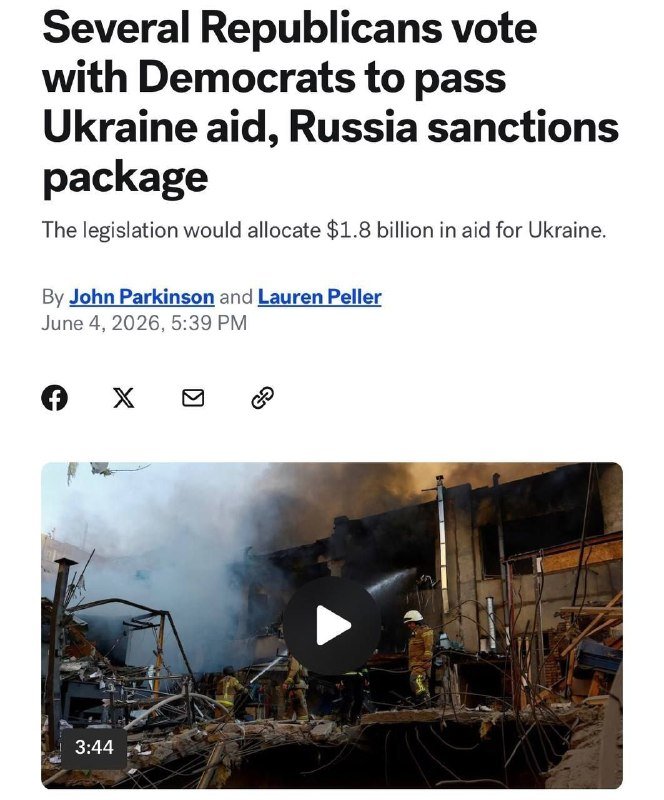
The Scene in Dnipro
Rescuers working through the early hours of June 2, 2026, recovered the body of a boy born in 2023 from the rubble of a residential building in Dnipro, according to the Kyiv Post. The child was among at least eight people confirmed dead in the central Ukrainian city following Russia's massive overnight missile and drone attack. The strike hit civilian infrastructure directly, leaving families buried under collapsed concrete and twisted rebar. The death toll in Dnipro alone stood at six by mid-morning, with the figure expected to rise as search-and-rescue teams worked through the debris.
A Two-City Assault
The attack was not limited to Dnipro. Russia's military launched a simultaneous, large-scale strike on Kyiv, Ukraine's capital, firing dozens of missiles at civilian targets across the city. At least four people were killed and approximately sixty wounded in the capital, according to initial reports compiled from Ukrainian emergency services and regional officials. The combined casualty figure across both cities reached at least ten dead, with more than sixty injured — a toll that Ukrainian President Volodymyr Zelenskyy's office described as another example of deliberate Russian targeting of non-combatants.
Ukrainian air defenses engaged the incoming barrage, but the scale of the overnight attack overwhelmed existing defensive positions. Military analysts monitoring the strike patterns noted a shift toward saturation tactics: rather than precision strikes on specific military installations, the attack appeared designed to test the limits of Ukrainian air defense coverage by launching simultaneous salvos across multiple vectors and altitudes. Ballistic missiles, cruise missiles, and Shahed-class drones were all reportedly involved in the overnight operation.
The Legal Framework
Attacks on civilian objects are prohibited under the Geneva Conventions and constitute war crimes under the Rome Statute of the International Criminal Court. Russia's campaign against Ukraine has repeatedly drawn accusations from international bodies, including the United Nations, that its forces have targeted residential buildings, energy infrastructure serving civilian populations, and medical facilities. The June 2 strikes follow a pattern documented by Human Rights Watch and the OSCE's special monitoring mission: Russia's military command has systematically employed long-range strikes against Ukrainian cities as an instrument of coercion, not as incidental byproducts of legitimate military operations.
Ukrainian officials have consistently framed these attacks as terrorism directed at civilian populations. The framing has legal as well as moral weight: Article 51 of Additional Protocol I to the Geneva Conventions defines attacks that are intended to spread terror among the civilian population as grave breaches. Whether individual strike packages in the June 2 attack can be directly attributed to orders from Moscow's military command remains subject to ongoing investigation by Ukrainian war-crimes prosecutors and international bodies with jurisdiction over the conflict.
Air Defense Gaps and Western Support
Ukraine's ability to intercept Russian strikes depends heavily on the availability of advanced Western air-defense systems — Patriot batteries, IRIS-T launchers, NASAMS units — and the missiles that feed them. Ukraine has repeatedly requested expanded coverage, particularly for secondary cities like Dnipro, which sits on the Dnieper River and has been struck repeatedly over the course of the war. As of mid-2026, Ukrainian officials estimate that roughly 20 to 30 percent of Ukrainian territory and population centers have persistent air-defense coverage; the remainder depends on mobile units, redeployment, and luck.
Western military assistance has slowed relative to earlier phases of the conflict. Political negotiations in Washington over continued funding packages have created supply-chain uncertainties for the systems Ukraine relies on most. The June 2 attack underscored what Ukrainian Defense Minister Rustem Umerov has repeatedly told allied counterparts in private: that gaps in coverage are not theoretical — they are measured in lives lost in cities that happen to fall outside the protected perimeter.
What Remains Uncertain
The sources reviewed for this article do not specify the full breakdown of missile types used in the overnight strike, the specific military installations, if any, that were simultaneously targeted, or the current operational status of Ukrainian air-defense batteries in the Dnipro sector. Ukrainian military spokespeople had not released a full damage assessment at the time of publication. The identities of several victims had not been formally confirmed by Ukrainian authorities, though the Kyiv Post confirmed the birth year of the child recovered from the rubble as 2023. The Russian Defense Ministry had not issued a public statement as of 09:00 UTC on June 2.
Stakes
Every large-scale strike on Ukrainian cities reinforces a strategic calculation in Moscow: that sustained terror against civilian infrastructure degrades Western resolve and erodes the assumption that Ukraine can ultimately prevail without an unacceptable cost to its population. The empirical record offers a counter-argument. Ukrainian civilian resilience has been a consistent feature of the conflict, and each strike appears to harden rather than soften domestic and international resolve to maintain support. The counterfactual — that Russia's strikes are achieving their intended deterrent effect — has not materialised in any measurable softening of Western policy positions as of mid-2026. The June 2 attack is likely to be cited in Kyiv's next round of diplomatic communications with allies as evidence that air-defense gaps are not a budget question but a survival question.
The structural pattern — systematic strikes on civilian infrastructure, calibrated to test the limits of air-defense coverage — will continue unless Western supply chains for interceptor missiles and launch systems expand significantly, or until the political conditions for a ceasefire or negotiated settlement shift. Neither development appears imminent.
This publication covered the June 2 strikes using Kyiv-based Ukrainian wire services and The New York Times. Western wire reporting focused on casualty figures and emergency response; Monexus has contextualised the attack within the documented pattern of Russian strikes on civilian infrastructure and the ongoing gap in Ukrainian air-defense coverage.
Wire provenance
This editorial synthesis draws on the following public wire/social posts:
- https://t.me/Kyivpost_official
- https://t.me/englishabuali