Serena Williams Returns to Professional Tennis After Four-Year Absence
Serena Williams is officially returning to professional tennis after a four-year hiatus, set to compete in the doubles event at the HSBC Championships in London next week.
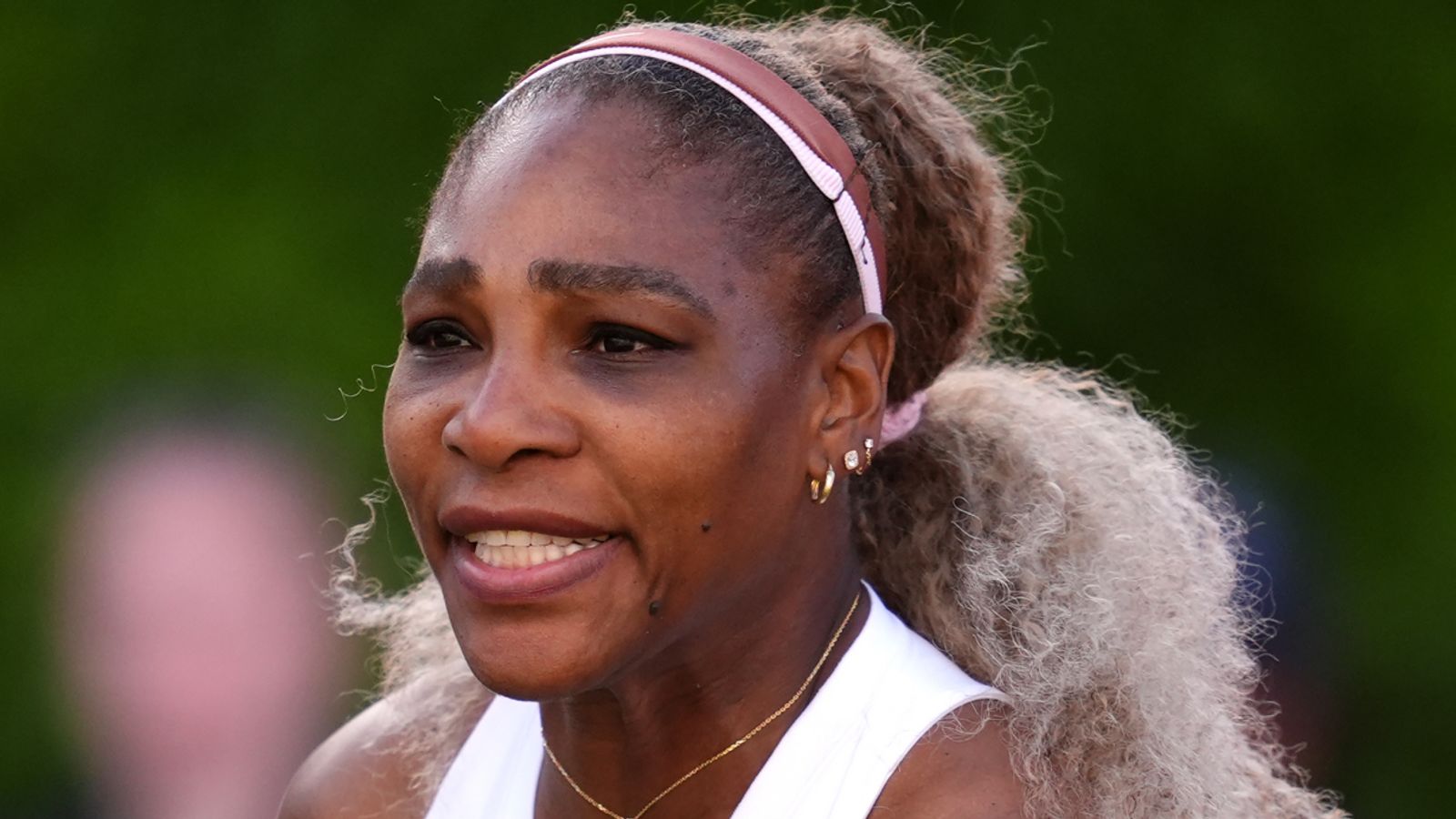
Serena Williams announced on 1 June 2026 that she will return to professional tennis, ending a four-year absence from competitive play. The 23-time Grand Slam singles champion is scheduled to compete in the doubles event at the HSBC Championships in London, it was confirmed in reports published by ESPN and CBS Sports on that date.
Williams, who last played professionally at the 2022 US Open, where she reached the third round before announcing what proved to be a lengthy retirement from the sport, will return at one of the premier events on the WTA calendar. The Harlem-born champion, who turns 45 in September 2026, is listed among the most decorated players in the sport's history across both singles and doubles disciplines.
The Announcement and What Comes Next
Williams confirmed her intentions through official channels on 1 June 2026, with coverage expanding rapidly across major sports outlets within hours. The HSBC Championships, held annually at London's storied grass-court venues, represents a significant stage for a comeback — a tournament that has hosted Williams on numerous occasions throughout her career. The decision to enter the doubles event, rather than singles, suggests a carefully calibrated return designed to test competitive readiness without the full physical demands of singles play.
The four-year gap represents one of the longest hiatuses from elite competition in the modern era. Williams' final Grand Slam appearance came in September 2022, when she defeated Anett Kontaveit in a second-round match that electrified Flushing Meadows. That performance, unexpected in its offensive aggression and competitive edge, was widely interpreted at the time as a valedictory display — though Williams did not confirm at the time that she was retiring permanently.
A Career Without Peer
The statistical record of Williams' career resists easy summation. She holds 23 Grand Slam singles titles, the most in the Open Era, and has claimed 14 major doubles championships alongside her sister Venus. Her collection of Olympic medals — gold in singles at the 2012 London Games, gold in doubles alongside Venus at both 2000 Sydney and 2012 London — completes what is known colloquially as a Career Golden Slam across both disciplines she competed in. No player in the Open Era, male or female, has matched that particular distinction.
What the numbers do not fully capture is the structural effect Williams had on the sport. For roughly two decades, she represented an athletic archetype that recalibrated expectations — a serve-and-volley era displaced by power baselining, a physical culture in which size and speed became prerequisites rather than luxuries. Rivals who built games specifically to counter her pattern of play became features of the WTA tour's evolutionary arc. The effect on prize money, media rights valuations, and audience development during her peak years is documented in multiple economic analyses of professional tennis.
What the Comeback Cannot Replicate
Four years is a substantial interval in competitive tennis. The game's surface technologies, string innovations, and tactical trends shift meaningfully across a single season; across four, the adjustment curve steepens considerably. Williams enters a WTA Tour that has been shaped partly by the generation she dominated, partly by a newer cohort that grew up calibrating their games against her footage rather than her presence. Several players who ranked among the WTA's top performers in 2022 have since retired or declined; the current landscape features athletes who built careers in her absence.
The doubles format offers a partial buffer against these dynamics. Teams compete at lower absolute velocity, and the point distribution differs meaningfully from singles — less court to cover per player, more emphasis on net play and coordination. Whether Williams and a partner can synthesise quickly enough to be competitive at a Premier Mandatory event is a question the sources do not yet address.
The London Stage and What It Signals
The choice of London as the comeback venue carries symbolic weight independent of the competitive outcomes. Williams won the first of her 14 major doubles titles at Wimbledon in 1999, alongside Venus, and returned to Centre Court for emotional tributes on multiple occasions thereafter. The HSBC Championships have not conclusively confirmed their full 2026 draws as of publication, but the announcement alone ensures significant media attention and enhanced attendance interest for what is already one of the WTA's flagship grass-court events.
The broader signal — that a player of Williams' profile and market value can return after four years and command immediate global coverage — speaks to the sport's ongoing reliance on transcendence narratives. Whether the comeback produces competitive results or becomes a ceremonial lap, the structures of attention surrounding it will shape sponsorship valuations, broadcast negotiations, and grassroots interest figures for an event whose relevance to casual audiences often correlates with star presence.
For now, the announcement stands on its own terms. A four-year absence ends next week in London.
This publication covered Williams' 2022 US Open run with extended analysis of what her likely departure meant for the WTA's commercial trajectory. The return, if it produces competitive results, will be assessed on its own merits against the current tour landscape.