Trump Denies Iran Ceasefire Talks Broke Down, Warns Tehran 'Time Is Up'
President Donald Trump on 2 June 2026 rejected media reports that Iran had suspended ceasefire talks over Israel's military operations in Lebanon, insisting negotiations with Tehran are ongoing and warning that a resolution must come soon.
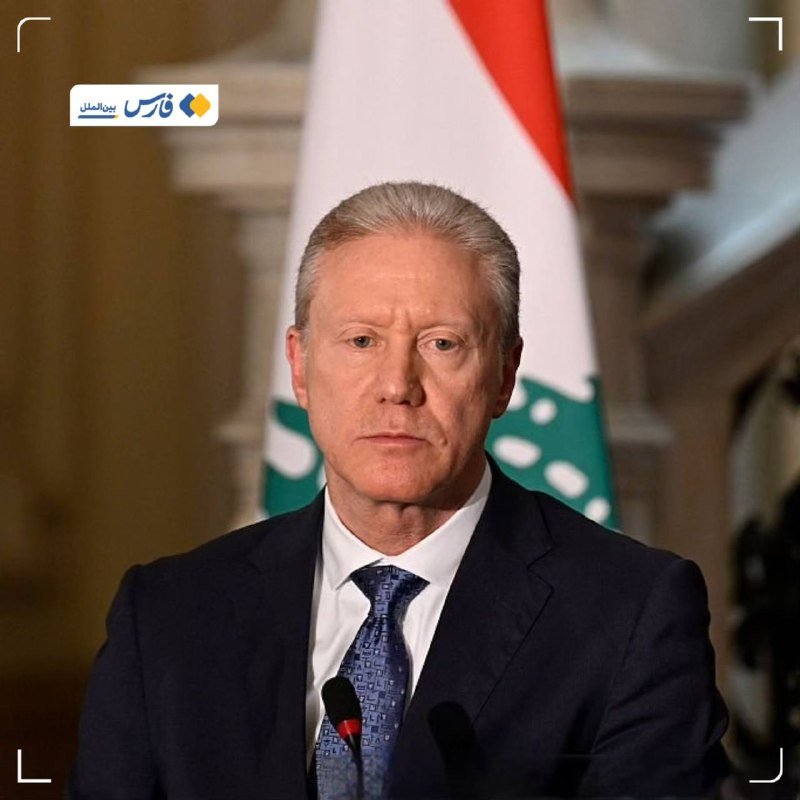
President Donald Trump on 2 June 2026 rejected reports that Iran had broken off ceasefire talks in response to Israel's military escalation in Lebanon, posting on his Truth Social platform that negotiations with Tehran were continuing and that he had delivered a direct warning to the Iranian leadership.
"I told Iran: it's time — one way or another," Trump wrote on Truth Social, according to a post cited by OSINT Live. The president also dismissed coverage of a breakdown in talks as reporting from what he termed the "fake media," claiming that conversations between the two sides had not stopped despite what other outlets had reported.
The denial came after multiple news organisations reported that Tehran had suspended diplomatic engagement with Washington over Israel's attacks on Lebanese territory, which Iran backs as part of its regional network of allied groups. The timing of the Israeli operations — and the Iranian response — had created a new complication in efforts to prevent the broader Middle East conflict from expanding further.
The Breakdown Reports and Iran's Position
The reports that Iran had suspended talks originated in wire service and regional coverage earlier on 2 June 2026. Those accounts cited Iranian officials and state-adjacent media as indicating that Tehran viewed Israel's strikes on Lebanese targets as incompatible with any diplomatic process the United States was facilitating. Under that framing, continued engagement with Washington would amount to validating an escalation that Iran considers a violation of understandings meant to underpin any ceasefire arrangement.
That position has structural logic: Iran has long tied the viability of any nuclear or regional deal to whether its allied groups — primarily Hezbollah in Lebanon and allied militia networks in Iraq and Yemen — face continued military pressure. If the diplomatic process produces no restraint on those strikes, Iranian negotiators have historically used suspension of talks as leverage to demand better terms. The sources do not specify what conditions Tehran had set for resuming engagement, but the pattern of linking alliance security to direct bilateral negotiations with Washington is consistent with Iran's established negotiating posture.
The Discrepancy Between the Two Accounts
What is not in dispute is that both sides have, at various points over recent weeks, signalled movement toward a negotiated outcome. The disagreement is about the present state of those conversations and who is responsible for any pause. Trump, speaking on 2 June 2026, insisted the channel remains open and that reports of suspension are wrong. Iranian state-linked accounts, as captured in regional wire reporting on the same date, describe a different picture: an administration in Tehran that is furious at what it sees as American tolerance for Israeli actions that undermine the premises of any deal.
The sources Monexus reviewed do not establish which version reflects the current operational reality of the negotiating channel. It is possible — and the evidence allows — that talks are technically continuing at a working level while Iranian leadership has publicly signalled a freeze at the political level, a distinction that often characterises how diplomatic processes operate under pressure. It is also possible that the two sides have different understandings of what "talks" means in this context, with narrow technical discussions continuing even as broader political-level communication has deteriorated.
The Leverage Calculus
Trump's warning that "time is up" for Iran reflects a pressure strategy the administration has employed throughout its second term: imposing deadlines to force concessions before international attention or domestic political constraints narrow the negotiating window further. Whether that framing is accurate or manufactured for domestic or negotiating-room consumption is not determinable from the available sources.
What the structural record shows is that Iran has, in prior negotiating rounds under different administrations, responded to deadlines with a mix of substantive movement and procedural delay. The Islamic Republic's negotiating culture treats time pressure as itself a negotiating instrument — something to be met with counter-pressure rather than capitulation. A warning of the kind Trump delivered on 2 June is likely to be read in Tehran not as a threat but as an opening gambit in a process that both sides understand will take more time than either publicly admits.
Israel's military actions in Lebanon, which triggered the Iranian suspension reports, introduce an element that the US-Iran bilateral framework cannot fully control. Washington can signal flexibility on sanctions or nuclear constraints, but it cannot control whether Israel conducts strikes that Tehran's leadership considers a breach of the diplomatic atmosphere. That gap — between what the United States can offer and what Israel may do — has been a persistent structural obstacle in every US-Iran negotiating format since the original Joint Comprehensive Plan of Action was abandoned in 2018.
What Comes Next
The immediate test is whether any working-level contacts produce visible movement before the current public tension calcifies into a sustained breakdown. Trump's Truth Social post functions partly as a signal management exercise — reassuring markets and allied governments that the diplomatic channel is alive — but it also creates a practical expectation that something substantive will follow.
The sources do not indicate when the next round of direct US-Iran talks, if they occur, is scheduled to take place. Regional capitals — including Riyadh, Baghdad, and Ankara — have a direct interest in the outcome, given how a breakdown or a successful deal would reshape their own security calculations and economic relationships with Washington. The European parties to the original nuclear agreement, though no longer formal participants in the current format, have maintained quiet channels to both Tehran and Washington and have signalled willingness to act as intermediaries if asked.
The central uncertainty is not whether talks will technically resume but whether the political conditions inside Iran — where hardliners have been vocal about the costs of perceived American-backed Israeli aggression — will permit the negotiating team to make the kinds of concessions a final deal would require. That calculus is internal to Tehran and is not directly visible from the outside. Until the next verifiable signal from either capital, the discrepancy between the White House account and the Iranian framing will remain the defining fact of this moment.
This publication covered the Trump administration's denial against the backdrop of Iranian state media and regional wire reporting of suspended talks, rather than treating either account as the settled baseline. The gap between the two framings is itself the story at this stage.
Wire provenance
This editorial synthesis draws on the following public wire/social posts:
- https://t.me/euronews/248756
- https://x.com/MiddleEastEye/status/1950847348918493651
- https://t.me/osintlive/28471