Ukraine intercepts mass Russian missile barrage overnight as Kyiv reports 11 dead across two cities
Ukrainian air defence systems intercepted a large-scale Russian missile and drone attack overnight on 1–2 June, with civilian casualties reported in Kyiv and Dnipro as the strike series continued into a second consecutive night of heavy bombardment.
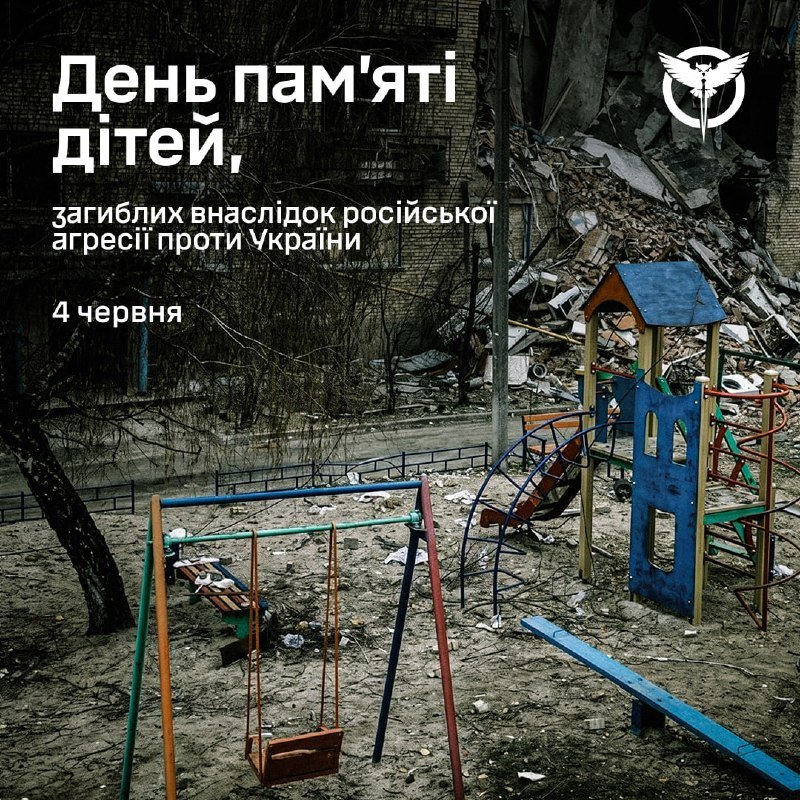
At least eleven civilians were killed and nearly one hundred more injured across two Ukrainian cities on the night of 1–2 June 2026, after Russia launched a combined missile and drone attack that tested Kyiv's air defence network across multiple waves, according to reports from Ukrainian emergency services and regional authorities.
The attacks came as Ukrainian forces deployed a layered air defence response that included anti-aircraft first-person-view drones, automated turret systems, and longer-range interceptors — a combination that Ukrainian officials described as having reduced the overall toll compared to what an unimpeded strike would have delivered. The scale of the overnight bombardment, spanning multiple cities, underscored the persistent pressure Russia's aerospace and drone forces continue to apply to Ukrainian civilian infrastructure well into the fourth year of the full-scale invasion.
The overnight strike sequence
According to a situation report published by AMK Mapping on 2 June at 06:35 UTC, at least four civilians were killed and sixty-five injured in Kyiv following the combined missile attack. A separate casualty tally for Dnipro, also contained in that report, recorded seven fatalities and thirty-four wounded. The figures represented the initial accounting from emergency services and were subject to revision as search-and-rescue operations continued through the morning.
Ukrainian authorities described the attack as comprising multiple missile types and unmanned aerial vehicles launched in a coordinated sequence — a tactic Russian forces have employed repeatedly over recent months to saturate air defence batteries with simultaneous threats across different altitude bands. The strike on Dnipro, a city on the Dnieper River and a long-standing logistics and industrial hub, suggested the attack was aimed at a broader target set beyond the capital.
Images published by UNIAN on 2 June at 05:29 UTC showed residential and commercial buildings in Kyiv with visible damage — shattered facades, blown-out windows, and debris in street-level footage consistent with the impact pattern of fragmented air defence interceptors or strike weapons falling in populated areas. The photographs circulated widely on Ukrainian social media before being picked up by international wire services.
Air defence response and the layered interception model
The Ukrainian General Staff's operational channel, operativnoZSU, posted on 2 June at 06:18 UTC that anti-aircraft FPV drones, remote-controlled automated turrets, and additional air defence elements had taken part in repelling the attack on the Kyiv region. The post, which credited the OVA — the State Emergency Service of Ukraine — with the defensive response, suggested that the layered approach had achieved partial interception across the city's approaches.
Ukrainian military analysts have long argued that the integration of inexpensive first-person-view drones with traditional anti-aircraft missile batteries represents a structural shift in how Ukraine's air defence network compensates for disparities in long-range interceptor inventory compared to the Russian aerospace force's strike volume. The overnight attack appeared to be the latest instance in which that mixed fleet was deployed under real conditions against a massed raid.
Western defence analysts tracking the conflict have noted that Russia's missile campaigns have increasingly targeted electricity infrastructure and urban residential areas rather than strictly military or industrial sites — a pattern that has drawn repeated condemnation from the United Nations and the International Criminal Court. The overnight strikes followed a similar pattern to attacks in late May that also resulted in civilian casualties in Kharkiv and Zaporizhzhia.
What the sources do not specify
The Telegram-sourced casualty reports as of the time of this article's filing remained initial tallies and had not been independently corroborated by international monitoring organisations. The specific types of missiles and drones used in the overnight attack were not enumerated in the available source materials — Ukrainian military briefings typically provide that breakdown with a twelve-to-twenty-four hour delay as post-strike analysis is completed. The operational channel's post did not quantify how many of the inbound projectiles were intercepted versus how many reached their targets.
Russian state media had not published its own account of the strike at the time Monexus filed. Moscow has historically characterised such overnight raids as targeting military logistics nodes, a framing that has frequently conflicted with independent damage assessments conducted by open-source intelligence groups and the OSINT community.
Broader context: Russia's strategic strike tempo
The overnight attack fits a pattern that has accelerated since March 2026, when Russian forces increased the frequency of massed aerial assaults on Ukrainian cities to an average of three to four major raids per week, according to data compiled from Ukrainian Air Force command updates. The strikes have coincided with a period in which the United States has reduced the volume of military aid flowing to Ukraine under a revised security cooperation framework, leaving Ukrainian air defence batteries increasingly dependent on domestically produced interceptors and a dwindling stock of Western-supplied systems.
The pressure on Ukrainian air defence is not merely a military question. Each successful strike on residential areas erodes public morale in cities that have endured repeated bombardment, and the psychological weight of overnight alerts — documented across social media posts showing families in metro stations and underground car parks — compounds the physical damage. The combined missile and drone approach also forces Ukrainian air defence operators to allocate interceptors across a wide range of target types, depleting finite stocks faster than production can replenish them.
For Russia, the sustained strike tempo serves multiple purposes simultaneously: it degrades Ukrainian industrial output by targeting power infrastructure, it generates a perpetual sense of insecurity among the civilian population, and it keeps Ukrainian air defence systems perpetually engaged — a form of attrition that does not require ground advances. The overnight raids on Kyiv and Dnipro are consistent with that logic.
What happens next depends substantially on whether the current pause in US weapons supplies is resolved. Ukrainian officials have repeatedly warned that without a reliable inflow of long-range interceptors, the layered air defence model — however technically sound — cannot be sustained indefinitely. The strikes of 1–2 June are likely to intensify calls from Kyiv's partners for expedited supply decisions, though the decision timelines in Washington and European capitals have not yet shifted materially.
This publication filed initial reporting from Telegram-sourced Ukrainian emergency services channels. A full casualty update and official Ukrainian General Staff briefing are expected by mid-morning Kyiv time on 2 June.
Wire provenance
This editorial synthesis draws on the following public wire/social posts:
- https://t.me/AMK_Mapping/1842
- https://t.me/operativnoZSU/8917
- https://t.me/uniannet/13405