Strait of Hormuz flashpoint: US strikes Iran after Apache shootdown, Tehran vows retaliation
US Central Command said fresh strikes on Iran followed the downing of an Apache helicopter over the Strait of Hormuz. Tehran, via Tasnim, says it will respond. Roughly a fifth of the world's seaborne oil moves through the chokepoint.
The US military carried out fresh strikes on Iranian territory in the early hours of 9 June 2026, framing them as "self-defense" operations following the downing of an American Apache attack helicopter over the Strait of Hormuz, Deutsche Welle reported at 21:27 UTC. Within hours, Iranian state-aligned outlets signalled that a retaliation was being prepared. By 21:48 UTC the news agency Tasnim was carrying language — relayed through Telegram channels Englishabuali, ClashReport, sprinterpress and GeoPWatch — that Iran "will respond decisively to the American aggression," and would do so on its own terms, not Washington's.
What began as a tactical incident over the world's most consequential oil chokepoint is now, in plain terms, an exchange of fire between the United States and the Islamic Republic. The escalation is the most serious test of the Strait's security architecture since the tanker wars of the 1980s — and it is happening while a fifth of global seaborne crude still transits the 21-mile-wide shipping lane.
What happened on 9 June
According to Deutsche Welle's reporting at 21:27 UTC, the US military announced "self-defense" strikes against Iran after an Apache attack helicopter was shot down over the Strait of Hormuz. The strikes, described by Washington as a follow-on to the shootdown, marked the first acknowledged US offensive action against Iranian territory in the current cycle of tensions. The framing — "self-defense" — echoes the legal vocabulary used by successive administrations to describe cross-border operations.
Iran's position, as conveyed through the BRICS-affiliated bricsnews Telegram account at 21:01 UTC, was that the downing of the Apache was "unintentional." The qualification matters: by characterising the helicopter engagement as an accident, Tehran opened rhetorical space for de-escalation. Within the same hour, however, Iranian outlets Tasnim and the channels relaying its wire shifted register, characterising US action as "aggression" and announcing a forthcoming response. By 21:51 UTC, Tasnim's English-distributed line read: "Iran will respond decisively to the American aggression, as it warned just a few hours ago." The escalation tempo over a 50-minute window — from "unintentional" to "decisive response" — is itself a fact worth sitting with.
The counter-narrative, taken seriously
The Western wire line is straightforward: a US helicopter was shot down, Washington struck back under the doctrine of self-defense, the cycle is Iran's choice to continue. The Iranian line, as carried by Tasnim and amplified by regional Telegram channels, runs differently. It treats the US strikes as unprovoked aggression carried out "under the pretext of the Apache helicopter incident," and frames any Iranian counter-action as a legitimate response to a sovereign violation. Iran's initial acknowledgement that the helicopter shootdown was unintentional cuts against the maximalist framing on both sides, but that nuance has largely fallen out of the cycle as the exchanges have hardened.
Both readings have internal weaknesses. The US framing rests on an incident whose full sequence — over what water, in what conditions, with what identification protocols — has not been independently detailed in the available reporting. The Iranian framing, meanwhile, must explain the shift from "unintentional" to "decisive response" within the span of an hour. The honest position is that neither side has yet produced the evidentiary record that the other side's narrative would require to stand or fall. Readers should treat both characterisations as opening claims in an argument, not as settled facts.
Why the Strait of Hormuz is structural, not scenic
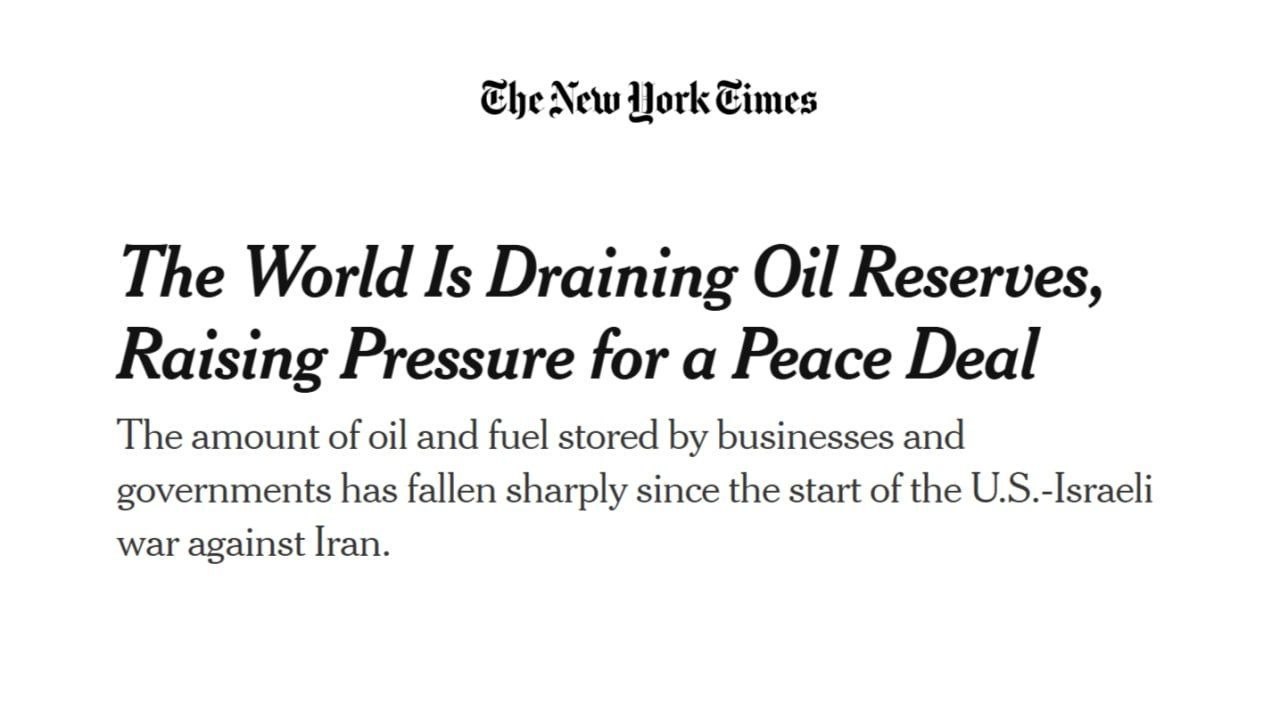
Roughly 20% of the world's seaborne oil passes through the Strait of Hormuz — a figure that has held in EIA assessments for years and that frames why even a small tactical exchange here is a global economic event. Iran does not need to close the Strait to move the market; it needs to make shipowners, insurers and underwriters believe it might. Tanker flags, war-risk premia and freight rates respond to perceived risk long before any physical interdiction occurs. A single Apache shootdown, followed by an acknowledged US strike on Iranian soil, is exactly the kind of signal that reprices energy markets before diplomats have convened.
This is the structural frame: incidents at maritime chokepoints are not just military events, they are credit events. They reprice the probability of supply disruption, which flows through to LNG, jet fuel, diesel and the political sustainability of price caps and sanctions regimes. The pattern has repeated — the 1980s tanker war, the 2019 seizure of the Stena Impero, periodic harassment of tankers through 2023 and 2024. Each time, the market moves on the perception of probability, not on the realised volume of disruption. The current cycle is shaping up to follow the same logic, only at higher temperature.
The stakes, region by region
The immediate winners and losers are not symmetric. Gulf producers with spare capacity and pipeline routes that bypass the Strait — the UAE's Habshan-Fujairah route, Saudi Arabia's East-West pipeline — gain relative resilience. Iran's oil revenue, already constrained by sanctions, faces a new round of enforcement pressure if the US uses the incident as justification for tightening the net. Asian importers — China, India, Japan, South Korea — that take the majority of Gulf crude are exposed to freight and insurance shocks with limited near-term substitution options. European buyers, increasingly reliant on Gulf LNG and on Gulf-routed diesel, are similarly exposed.
The diplomatic stakes are sharper. The shootdown-and-strike sequence lands in the middle of a fragile de-escalation track that was already under strain. It complicates any back-channel between Washington and Tehran, raises the political cost of restraint for Iran's leadership, and gives hardliners in both Washington and Tehran a usable incident. The energy market, in turn, will price the probability of further escalation into the curve for months, regardless of what happens next on the water.
What remains contested
Three things the sources do not settle. First, the precise sequence over the Strait at the moment of the Apache's loss: conditions, identification, rules of engagement, whether the helicopter was on a recognised mission profile. Second, the targets and assessed damage of the US "self-defense" strikes — the available reporting does not specify locations, weapons used, or Iranian casualties. Third, the operational meaning of "decisive response" as Tasnim has used the phrase; the channel's wire does not indicate timing, form, or target set. Until those questions are answered, the gap between Washington's framing and Tehran's will widen, not narrow. That gap, more than any single strike, is the story to watch.
Desk note: Monexus is sourcing this piece primarily from Deutsche Welle's wire and from Telegram-relayed Tasnim reporting, given the limited primary documentation available at publication. Western wire framing and Iranian state-media framing are both presented in their strongest form, with the structural context — chokepoint economics, sanctions pressure, and the diplomatic runway — kept separate from either narrative.
Wire provenance
This editorial synthesis draws on the following public wire/social posts:
- https://t.me/englishabuali
- https://t.me/ClashReport
- https://t.me/bricsnews
- https://t.me/GeoPWatch
- https://t.me/sprinterpress