Hurricanes even the Stanley Cup Final as betting operators double down on the matchup
Carolina levelled the series against Vegas in a contest that doubled as a promotional showcase for US sportsbooks, with DraftKings dangling a $200 bonus-bet headline hours before puck drop.
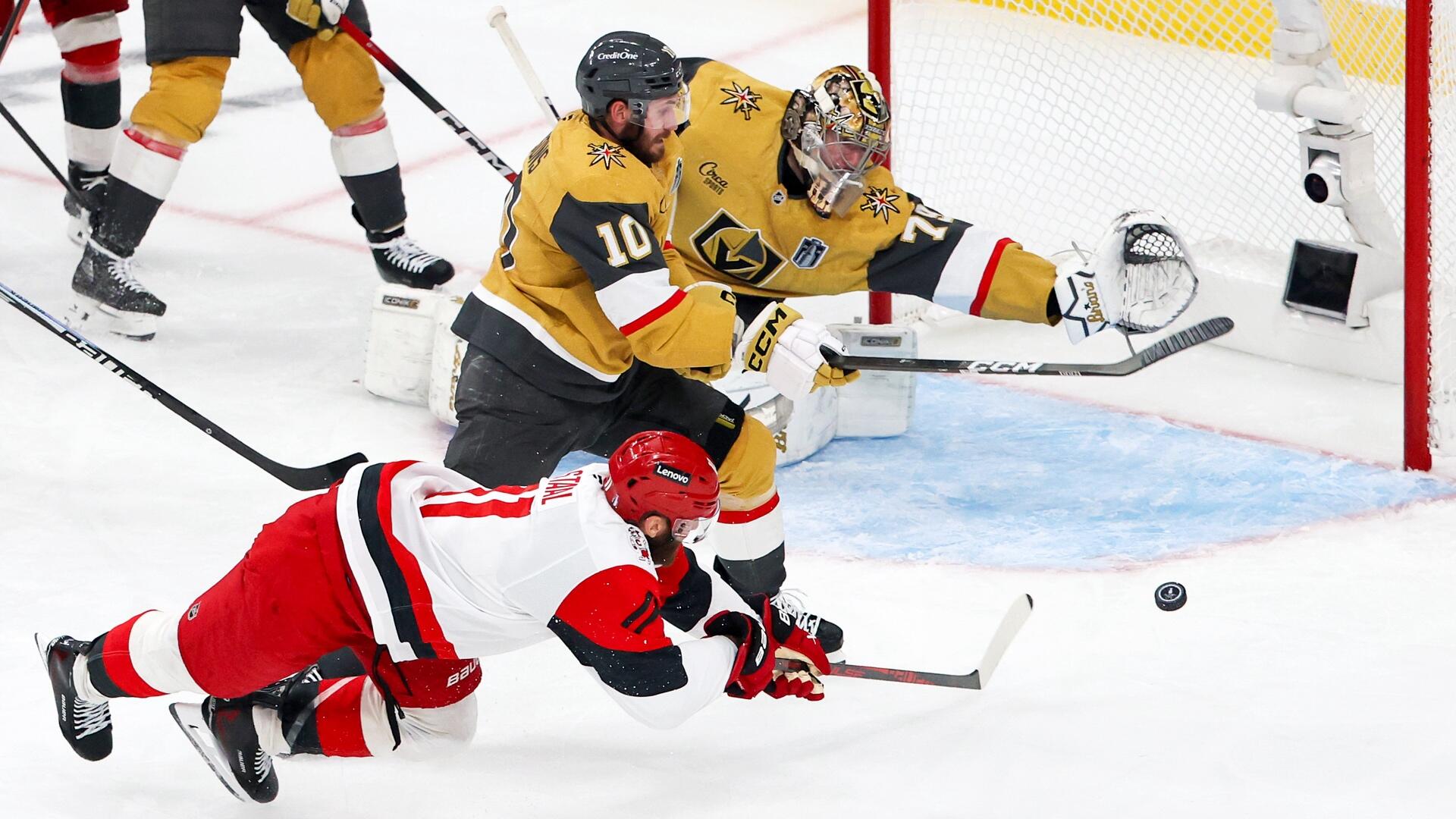
The Carolina Hurricanes squared the Stanley Cup Final at one game apiece on Tuesday, 9 June 2026, holding off the Vegas Golden Knights in a result ESPN graded out shortly after the final horn at 04:49 UTC on 10 June. The win, in the same arena where the Knights opened the series, resets a championship matchup that had tilted sharply to the defending champions after Game 1. The structural interest of the night, however, sat alongside the hockey: hours before puck drop, DraftKings was using the game as the lead asset in a national promo offering $200 in bonus bets to new customers, according to CBS Sports' 14:15 UTC headlines briefing on 9 June.
The pairing — a tied Finals series and an aggressive sportsbook acquisition offer on the same evening — is now routine in North American professional sports, but the dollar figures have grown loud enough to attract outside attention. DraftKings' headline incentive triggers on a first $5 wager, a ratio of bonus-to-stake that converts casual attention into funded accounts at a scale that would have been unimaginable a decade ago. The Hurricanes-Golden Knights tilt is also flagged in the same CBS Sports note as the primary hockey betting event of the night, sitting alongside a Tuesday MLB slate.
What the result did to the series
ESPN's post-game write-up framed the contest as the Hurricanes managing to hold off the Golden Knights, and the network raised the questions now facing both clubs: which netminder Vegas rides next, whether Carolina can steal home-ice advantage back at the Lenovo Center, and how the minutes get distributed on a back-to-back travel day. The grades awarded in the ESPN piece were team-by-team and player-by-player, the standard approach for a series-leveller, and the questions it posed — goaltending, special teams, depth scoring — are the same ones coaches across the league circle on whiteboards this time of year.
The series, played under the NHL's 2-2-1-1-1 format, now shifts to the Eastern Conference champion's building, and the betting market will reset accordingly. Carolina's win narrows the implied probability gap that opened up after Game 1 and puts a genuine best-of-three pressure on the Pacific champion.
The promo economy around the game
CBS Sports' headlines brief, distributed at 14:15 UTC on 9 June, treated the DraftKings offer not as a sidebar but as a top-line sportsbook story. The mechanics are simple: new account, $5 first wager, $200 in bonus bets credited instantly, with the Hurricanes-Golden Knights game and a Tuesday MLB card presented as the recommended entry points. DraftKings, headquartered in Boston and listed on the Nasdaq under DKNG, has spent the last several playoff rounds cycling similar promos at each series inflection point, using the visibility of a Finals matchup to drive first-deposit volume.
The promotional intensity reflects a wider market reality. US sports-betting handle has grown sharply since the Supreme Court's 2018 decision in Murphy v. NCAA cleared the way for state-level legalisation, and operators now compete for new-customer acquisition on offer size as much as on price. The result is an environment in which a $5 stake is treated as an advertising cost and the headline bonus figure is sized for share-of-voice, not unit economics.
A sceptical read
There is a counter-narrative worth taking seriously. The promo-offer-driven reader is not the same customer as the season-ticket holder in Raleigh or the local TV partner negotiating next year's broadcast deal. Sportsbook acquisition bonuses are a marketing line item, and the on-ice product — a tied Finals series, two goaltending decisions, a back-to-back travel day — is the thing the league sells to its long-tail media partners. ESPN's grading, CBS Sports' betting pointer, and the league's own broadcast choices are all optimised for different audiences, and reading the DraftKings offer as a referendum on the game's competitive health mistakes the audience the promo is actually aimed at.
The opposite read is that the convergence is itself the story. When the same Tuesday produces a series-levelling result and a national acquisition offer, the promotional layer has stopped being a separate industry talking about the game and has become part of the game the way jersey patches and in-arena signage are part of the game. The bettor who signs up on the strength of a $200 headline, the casual fan who reads ESPN's grades, and the box-score purist on a hockey forum are all watching the same event through different ledgers, and the league's economics now depend on all three showing up.
What remains uncertain
The sources do not specify the score of the deciding game, the goal scorers, or the save totals of either goaltender — ESPN's graded write-up treats those details as the body of the article, and this dispatch has access only to the framing material in the post-game brief. The sportsbook piece, similarly, does not disclose DraftKings' customer-acquisition cost or the redemption rate on the $200 bonus, both of which would clarify whether the offer is a profitable funnel or a defensive response to competing operators. Game 3's goaltending choice for Vegas, and Carolina's depth-scoring distribution, are the variables most likely to move the series odds; the betting market will reprice them quickly once the team flies east.
This dispatch relies on post-game grading from ESPN's 04:49 UTC, 10 June 2026 brief and the 14:15 UTC, 9 June CBS Sports headlines note flagging the DraftKings acquisition offer. Where the two sources treat the same event from different angles — competitive read versus promotional read — the gap is itself the framing.