Messi's two-minute cameo: a World Cup preview, an Indian internet snapshot, and the limits of star-led sports economics
Lionel Messi played two minutes, scored a penalty in front of 88,000 fans, and walked off. The cameo says more about the economics of the 2026 World Cup than the season Argentina has had.
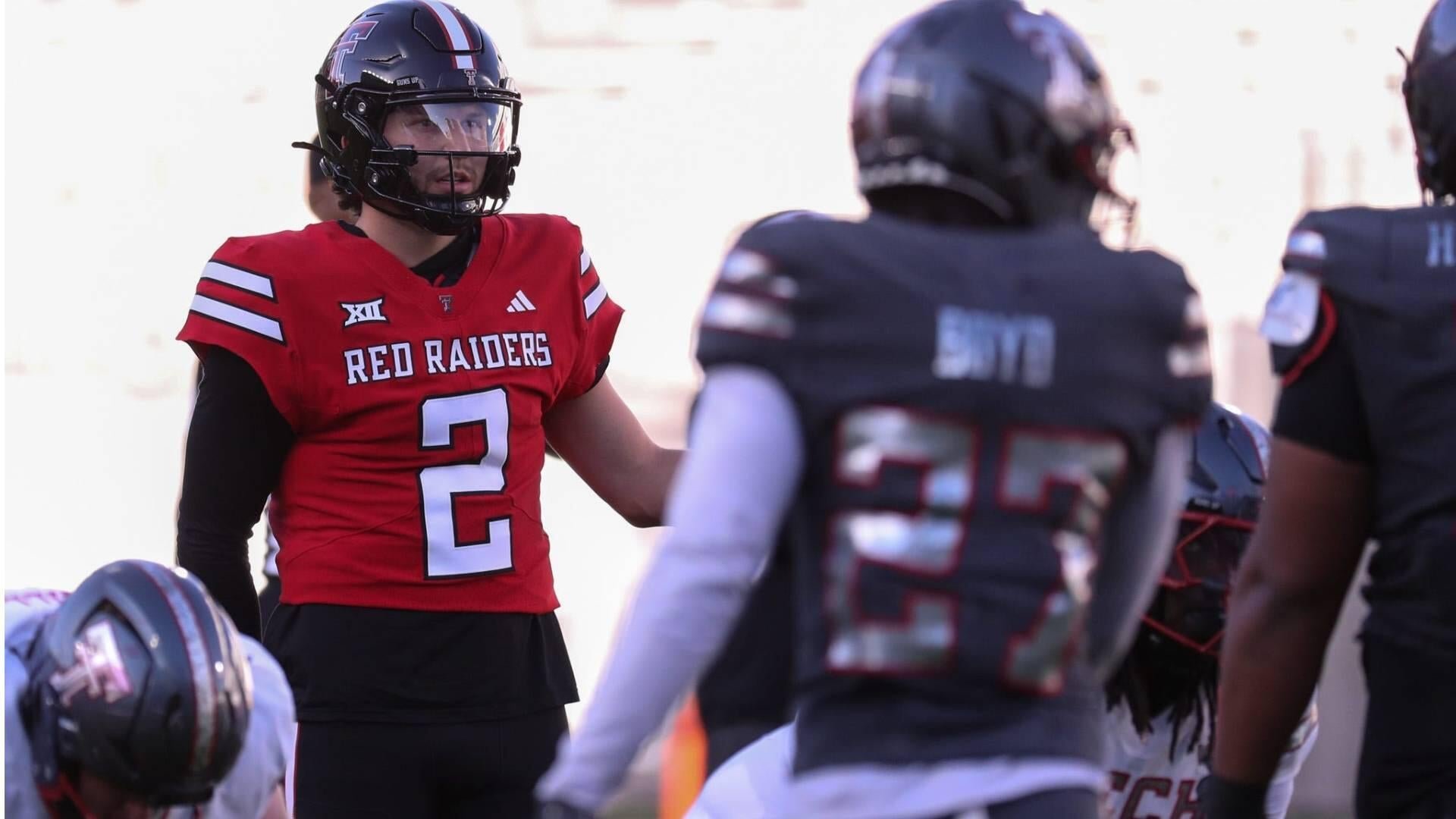
Lionel Messi walked onto the pitch, took a penalty, and walked off again. The cameo, by The Indian Express's reckoning, lasted two minutes in front of 88,000 spectators, and served as the clearest public signal yet that the 38-year-old intends to be on the flight to the 2026 World Cup in North America. The match itself was a friendly warm-up; the read-through is anything but.
The cameo is the most economical summary of where elite men's football sits in 2026. The sport's most valuable individual asset is being rationed by his own medical staff, deployed in narrow bursts designed to keep him fit for one tournament, and sold to a global audience as a moment rather than a match. The economics of the 2026 World Cup depend on that moment arriving on the biggest stage in late June. The Indian Express's framing — a single player, one kick, 88,000 witnesses — is not a quirk of headline-writing. It is the product.
What two minutes tells us about the World Cup
Argentina's run to the title in Qatar in late 2022 was Messi's last great competitive swing at a tournament he had failed to win at the senior level. Three and a half years on, his club minutes are managed week to week, his starts rationed, his substitutions pre-planned. A two-minute cameo in a friendly is what global broadcasters, sponsors, and the United States-hosted tournament's organisers are buying. It is not the only product on offer — a 48-team World Cup spread across the United States, Canada and Mexico is the largest sporting inventory ever assembled for a single men's football event — but it is the marginal unit that determines whether the tournament's pricing holds.
This is not a complaint about Messi's fitness management. It is the predictable end-state of a sport that has spent two decades concentrating attention, broadcast rights, and sponsorship inventory on a small number of players. The Indian Express's account does not name the opponent or the venue, and the wire does not always do so either, because in 2026 the story is rarely the team on the other side of the ball.
India watches the World Cup, even when the cricket is on
Messi's cameo lands in a market that is now the sport's most-watched non-host audience. LiveMint published a data brief on 10 June 2026 showing how Indian households use the internet, a question whose answer matters disproportionately for a sport that is sold to broadcasters, sponsors, and platforms on the basis of in-country reach rather than in-stadium attendance. The Indian Premier League's media-rights auction in 2023 reset the price of mass-attentive live sport in the country, and the global football economy has been chasing the same audience ever since.
The structural point: the 2026 World Cup is being sold into an India that watches football largely on mobile data, in a market where the Premier League and the IPL are the dominant properties. The cost of acquisition for a new fan is low; the cost of converting a casual viewer into a paying subscriber is high. Messi, in two minutes on a friendly pitch, is the cheapest possible advertisement for that conversion.
The other migration: couples choosing meaning over the metrics
The same edition of The Indian Express carried a quieter story under the headline "the great, quiet migration": a growing share of urban Indian couples, the paper reported, are choosing to relocate or slow their careers in pursuit of meaning rather than headline income. The piece framed the shift as a counter-trend to the hustle-led model that has defined the country's professional class for two decades. It is, on its face, unrelated to football. It is, structurally, the same story.
A sport that is increasingly sold as a highlight rather than a match, and a workforce that is increasingly sold as a portfolio of metrics rather than a life, are both responses to the same underlying economics. The attention economy and the labour market both reward consolidation at the top and rationing at the margin. Messi plays two minutes; a senior manager quits to open a café. The two facts belong to the same chart.
What the evidence does not settle
The Indian Express does not specify Messi's opponent, the venue, or whether the cameo was a deliberate fitness step or an in-game decision. The LiveMint data brief is described in its Telegram preview but its underlying figures on Indian household internet use are not enumerated in the source item this article draws on. The "great, quiet migration" piece is a feature, not a dataset: its claim that more couples are choosing meaning over hustle is supported by anecdote and reported interviews, not by a labour-market series. A reader who treats any of these three stories as a fully-sourced fact is over-reading. A reader who treats them as evidence of a direction of travel is reading them correctly.
Stakes for the next eighteen months
If Messi reaches the 2026 World Cup and plays, the tournament's broadcast and sponsorship pricing holds. If he does not, the marginal value of the Argentine national team collapses, and a non-trivial slice of the global audience the tournament is being sold to has no headline act to watch. India's football market, for its part, will continue to be priced on the assumption that a fan converted during a Messi cameo becomes a Premier League subscriber. Whether that conversion rate holds once the highlight reel stops is the bet the entire 2026-to-2027 football economy is making.
This piece paired a single-match cameo reported by The Indian Express on 10 June 2026 with a same-day LiveMint data brief on Indian household internet use, and a same-day Indian Express feature on career migration. Where a wire led with the player, this publication read the player as a price-signal.