The 2026 World Cup scales up: bigger tournament, sharper commercial edges
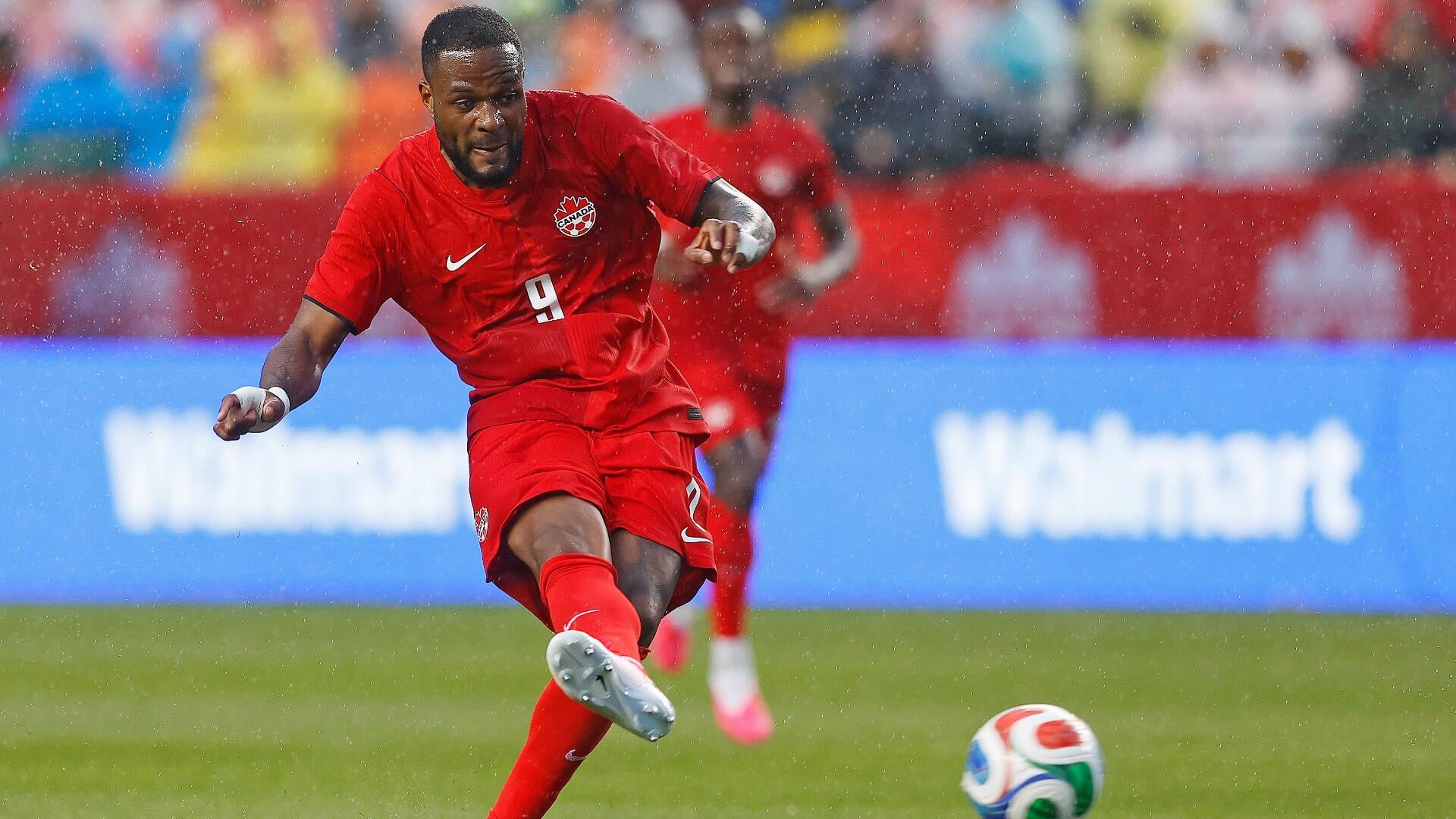
Lead. On 11 June 2026, FIFA and The Athletic both pushed the same framing of next year's tournament: a World Cup that is bigger, louder, and more commercially loaded than any previous edition. The push came via a feature by ESPN's Sam Borden, syndicated through FIFA's official Telegram channel and republished in The Athletic's feed the same afternoon. The message is unmistakably a sales pitch dressed as a preview — and the timing, eleven months out from kickoff, is not accidental.
Nut graf. FIFA has spent the better part of a decade preparing the 2026 edition as the proof of concept for an expanded, three-host, 48-team tournament. The scale is real. So is the friction it produces: stadium logistics, broadcast rights, player workload, and the political weight of staging the world's most-watched sporting event across three national jurisdictions. The story to watch is not whether the games will happen — they will — but who captures the surplus the new shape generates.
The pitch, and what it concedes
The Borden piece, carried on FIFA's channel at 16:14 UTC, leans on superlatives. It is the first World Cup with 48 teams, 104 matches, and three host nations: the United States, Mexico, and Canada. The lead visual and headline — "everything is bigger and louder than ever before" — are the work of a federation that has learned to market volume as value. The Athletic republished the package in full at the same timestamp, signalling editorial alignment rather than independent reporting.
The framing concedes more than it intends. By foregrounding scale, FIFA invites scrutiny of the parts that do not scale gracefully: qualifying pathways for smaller federations, transit between venues spread across eleven US host cities plus Mexico City, Guadalajara, Monterrey, Toronto, and Vancouver, and a broadcast schedule that will run for nearly six weeks. Bigger is the headline. Distances are the subhead.
The counter-narrative the wires have not centred
Mainstream US coverage has been largely celebratory, treating the tournament as an American coming-out party for a sport that has spent forty years fighting for shelf space. The harder questions — how the expanded format affects competitive integrity, how migrant labour at construction sites is regulated, how the federal government's posture on travel documents intersects with a tournament marketed globally — are present in the discourse but have not been foregrounded by FIFA's own distribution channels.
There is also a Global South reading. The 48-team field was sold, in large part, as a gift to smaller federations: more slots, more matches, more revenue share. The early evidence from confederation qualifying is mixed. The slot allocation preserved the traditional power distribution at the top of UEFA and CONMEBOL and added meaningful but uneven berths elsewhere. For the African and Asian confederations, the new arithmetic is real, but the knockout-stage ceiling — the round of 32 — has not changed structurally. The expanded field widens the door; it does not flatten the corridor.
The commercial scaffolding
What the framing obscures is the commercial architecture underneath. FIFA's centralisation of broadcast and sponsorship rights has been the most consequential policy change of the modern era. The 2026 cycle is the first to operationalise that model at full scale across three countries with three different media markets, labour regimes, and tax jurisdictions. The federation's revenue projections, which it has been careful not to publish in granular form, depend on saturating every available inventory slot — match windows, hospitality packages, sponsor categories, licensed merchandise — across a longer tournament window.
The structural pattern is familiar: a global governing body maximising its capture of a cultural event by expanding the event's surface area. The teams that benefit most are not the national federations, who receive a fixed share, but the federation itself and the small group of sponsors and rights-holders positioned to monetise the additional inventory. The expanded World Cup is, in that sense, a vertically integrated product launch as much as a sporting competition.
Stakes for the next year
Between now and kickoff in June 2026, three inflection points will determine whether the tournament lands as FIFA intends. The first is broadcast: the federation must close remaining rights packages in territories that have grown resistant to the premium pricing of the 2022 cycle. The second is operational: stadium readiness in the eleven US host cities, several of which are still working through final certification and pitch questions. The third is political: the US federal government's posture on visas, border processing, and security perimeters will shape the experience of foreign fans and travelling media more than any on-pitch decision.
A reasonable counter-read is that these pressures are normal pre-tournament churn, and that the expanded format will settle into a recognisable rhythm once the opening match is played. The dominant framing — scale as success — assumes that the federation's commercial logic and the sport's competitive logic will align. They often have, in the past, because FIFA has been willing to spend political capital to make them align. The 2026 edition will test whether that capital has limits.
Desk note: Monexus read the Borden feature as distributed by FIFA and The Athletic, both timestamped 11 June 2026 16:14 UTC. Where the wire line led with spectacle, this piece led with the commercial and structural questions that spectacle tends to obscure. The federation's framing is taken seriously; so is the assumption baked into it.
Wire provenance
This editorial synthesis draws on the following public wire/social posts:
- https://t.me/FIFAcom
- https://t.me/TheAthletic